
SC Freiburg: Germany’s Living Football Heritage Preserved by Longevity and Local Roots
SC Freiburg’s culture of longevity and community ties sets it apart in German football: long-serving coaches, one-club players and century-spanning management.
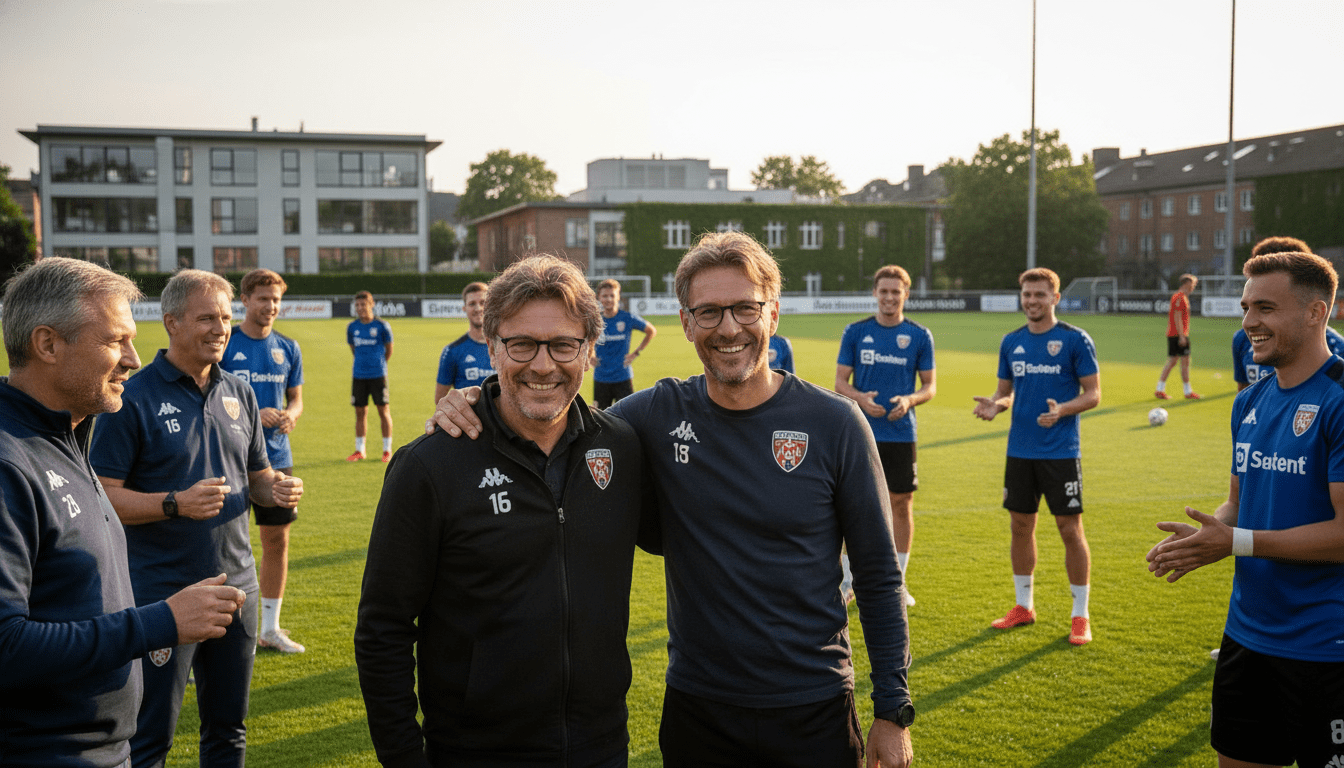
SC Freiburg is widely regarded across Germany as a rare example of continuity in modern football, a club whose culture appears preserved against the churn of the contemporary game. The team’s identity is built on long tenures for coaches and players, deep local ties and an organisational memory that stretches back decades. That reputation has turned SC Freiburg into a conversation piece among supporters and analysts who ask whether its model can endure amid rising commercialization.
Freiburg’s standing in German football
SC Freiburg is often described by fans and commentators as a club that feels like cultural heritage rather than a typical professional outfit. Observers point to practices and traditions more commonly found in regional institutions than in top-flight sports teams. That reputation has made the club a touchstone for debates about community-based football in Germany.
The notion of SC Freiburg as a protected cultural asset is metaphorical but widely shared, and it helps explain why the club attracts attention beyond its results on the pitch. Supporters see continuity, while rivals and pundits study whether that continuity is a source of resilience or a limit on ambition.
Coaching and staff longevity
One of the clearest markers of SC Freiburg’s culture is the unusually long service of its head coaches and technical staff. The club’s approach has favoured stability and incremental development rather than frequent managerial change. This policy has allowed coaching philosophies to take root and ecosystems of training and recruitment to mature over time.
A stable coaching environment has also contributed to tactical coherence and clearer pathways for youth players moving into the first team. Stability has costs and benefits, but at Freiburg it has become a defining characteristic that shapes expectations both inside and outside the club.
Players who stay for careers
SC Freiburg has produced and retained a number of one-club players or long-serving professionals who spent the bulk of their careers in Breisgau. Figures such as Nicolas Höfler, Christian Günter and Lukas Kübler have become synonymous with the club’s identity. Their long tenures have reinforced a narrative of loyalty that is increasingly rare at the top levels of European football.
Those players serve both as symbols for the fan base and as practical anchors in the squad, providing continuity on the pitch and mentoring younger teammates. The presence of such players makes the club’s approach to squad building appear more organic than transactional.
Continuity at the executive level
The club’s institutional memory extends into management and administration, where long-serving officials have steered SC Freiburg across political and economic shifts. Men who joined the organisation decades ago still shape decisions today, and that continuity has helped preserve a distinct club culture. References to the club’s links with earlier eras of German life underline how embedded SC Freiburg is in its local context.
Such management continuity also affects long-term planning, from academy development to stadium projects. Executives with long tenures can align short-term sporting cycles with multi-year organisational goals, though they also must guard against complacency.
Local identity and the Breisgau connection
SC Freiburg’s identity is tightly bound to the Breisgau region, and that regionalism influences how supporters, players and administrators relate to each other. The club’s fan base tends to prize local roots, and the broader community treats the team as an extension of civic life. This relationship strengthens loyalty and creates a supportive environment during difficult stretches on the field.
That local focus contrasts with clubs in larger urban centers where market forces and global branding exert greater influence. For Freiburg, the local model has become a competitive advantage in cultivating committed supporters and sustainable recruitment pipelines.
Challenges amid modern football pressures
Despite its idyllic image, SC Freiburg faces pressures common to many smaller clubs operating in elite competitions. The financial demands of top-level football, intensified player markets and media scrutiny all pose risks to a culture built on longevity. The club must balance tradition with the need to adapt to evolving economic realities to remain competitive.
Maintaining the club’s identity while responding to transfer-market logic and broadcasting revenues will require careful management. How Freiburg navigates these tensions will shape whether its heritage remains a living model or becomes an attractive but fragile exception.
SC Freiburg’s longevity and deep local ties have created a distinct organizational character that draws admiration and scrutiny in equal measure. The club’s approach—marked by long-serving coaches, career-defining players and management continuity—offers a case study in how sporting institutions can preserve identity in an era of rapid change. Observers will be watching whether that model can withstand future competitive and financial pressures while continuing to serve as a template for community-rooted football.
