
Foods with More Antioxidants Than Blueberries: A Nutrition Guide to 20 Powerhouse Foods
Nutrition guide identifies foods with more antioxidants than blueberries, from dark chocolate and goji berries to turmeric and green tea, with practical tips.
A new nutrition roundup highlights twenty foods that can deliver equal or greater antioxidant power than blueberries, offering alternatives for people seeking variety in their diets. The list, compiled from dietary analyses and nutrient profiles, names items across categories—fruits, nuts, seeds, legumes, vegetables, spices and beverages—that are rich in polyphenols, anthocyanins, carotenoids and other protective compounds. Consumers looking to reduce inflammation or boost cellular protection can use this guide to expand beyond the usual berry-focused recommendations. Experts stress that variety and whole-food choices remain central to reaping antioxidant benefits.
Dark chocolate, goji berries and pomegranates top the antioxidant spectrum
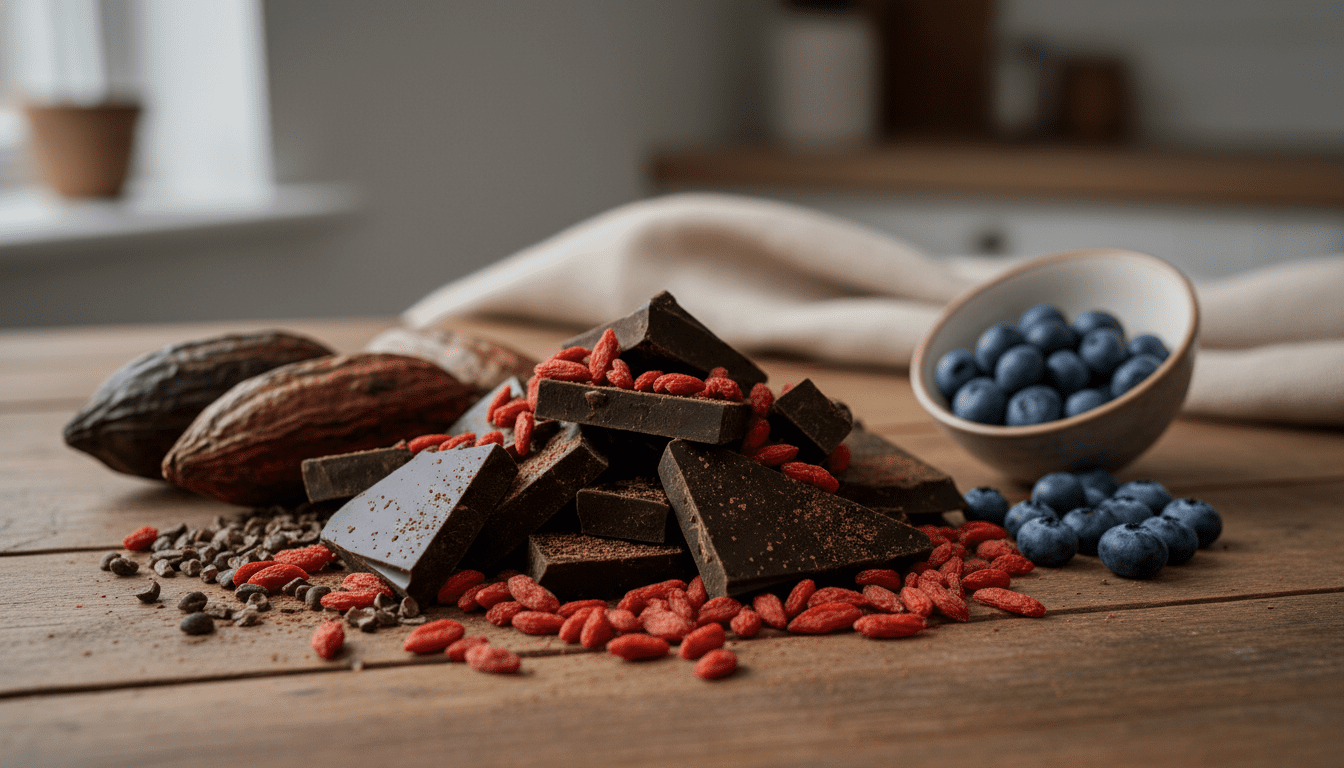
Dark chocolate stands out for its concentrated polyphenols and flavonoids, particularly in bars with high cocoa content. These compounds scavenge free radicals and have been associated with improved vascular function when consumed in moderation. Goji berries contribute beta-carotene and vitamin C, lending anti-inflammatory and immune-supporting effects that complement their vivid color. Pomegranates supply unique antioxidants such as punicalagins and anthocyanins, which have been linked to cellular protection and reduced oxidative damage.
Nuts deliver vitamin E, polyphenols and heart-friendly fats
Walnuts and pecans are notable sources of vitamin E, catechins and ellagitannins, antioxidants that help blunt oxidative stress and inflammation. Beyond their phytochemicals, these nuts provide unsaturated fats shown to support heart health when they replace saturated fats in the diet. Regular inclusion of a small handful of mixed nuts can increase overall antioxidant intake while contributing fiber and plant-based protein. Consumers should watch portion sizes and opt for unsalted, minimally processed varieties to avoid excess sodium and added oils.
Legumes, whole grains and tubers supply diverse antioxidant classes
Black beans and kidney beans are rich in anthocyanins and a range of phenolic compounds that protect cells and support gut health. Oats contain a distinctive antioxidant called avenanthramide, which has anti-inflammatory properties and potential benefits for cholesterol and heart health. Sweet potatoes and russet potatoes add carotenoids, beta-carotene and other phenolic acids to the diet, offering both antioxidant protection and essential vitamins. These staples are versatile and can be prepared in ways that preserve nutrients, such as steaming, baking or light sautéing.
Leafy greens, artichokes and seeds boost micronutrients and chlorogenic acid
Kale and other leafy greens pack polyphenols, vitamins C and E, and carotenoids, combining antioxidant action with a high nutrient density. Artichokes are particularly rich in chlorogenic acid, a compound that may assist blood sugar regulation and support healthy cholesterol levels. Chia seeds, while small, contribute chlorogenic acid and plant-based omega-3s, as well as fiber that supports gut microbiota. Integrating a mix of greens and seeds into salads, smoothies and grain bowls is an efficient way to raise antioxidant diversity.
Spices, tea and coffee provide concentrated antioxidant doses
Spices such as turmeric, cinnamon and cloves contain potent bioactive molecules—curcumin in turmeric, cinnamic acid in cinnamon and eugenol in cloves—that deliver strong antioxidant and anti-inflammatory effects in small amounts. Green tea is a leading source of catechins, compounds linked to reduced inflammation and potential anticancer activity. Coffee also contributes a broad spectrum of bioactive antioxidants; its antioxidant yield depends on bean quality, roast level and brewing time. Using these ingredients as flavor-building elements allows people to increase antioxidant intake without large calorie additions.
Practical ways to add antioxidant-rich foods while minimizing downsides
Variety is the most practical strategy: rotating fruits, vegetables, nuts, legumes, spices and beverages ensures exposure to multiple antioxidant types. Prioritize whole foods rather than supplements to gain fiber, vitamins and minerals alongside phytochemicals. Be mindful of preparation—overcooking can reduce some antioxidants, while moderate roasting or gentle steaming often preserves them. For items like dark chocolate, choose higher cocoa percentages and limit sweets to moderate portions to avoid excess sugar and calories.
The guide underscores that no single food is a cure-all; instead, combining several antioxidant-rich items across meals can lower inflammation markers and support long-term health. For most people, adopting a pattern that includes nuts, legumes, colorful produce, whole grains, spices and antioxidant beverages will both diversify flavor and increase protective compounds. Individuals with medical conditions or on specific medications should consult a healthcare professional when making major dietary changes, particularly with concentrated extracts or high-dose spice supplements.
Incorporating a broad range of foods with more antioxidants than blueberries into weekly meal planning can be an effective, evidence-informed approach to support cellular health, reduce inflammation and enhance dietary quality.
