
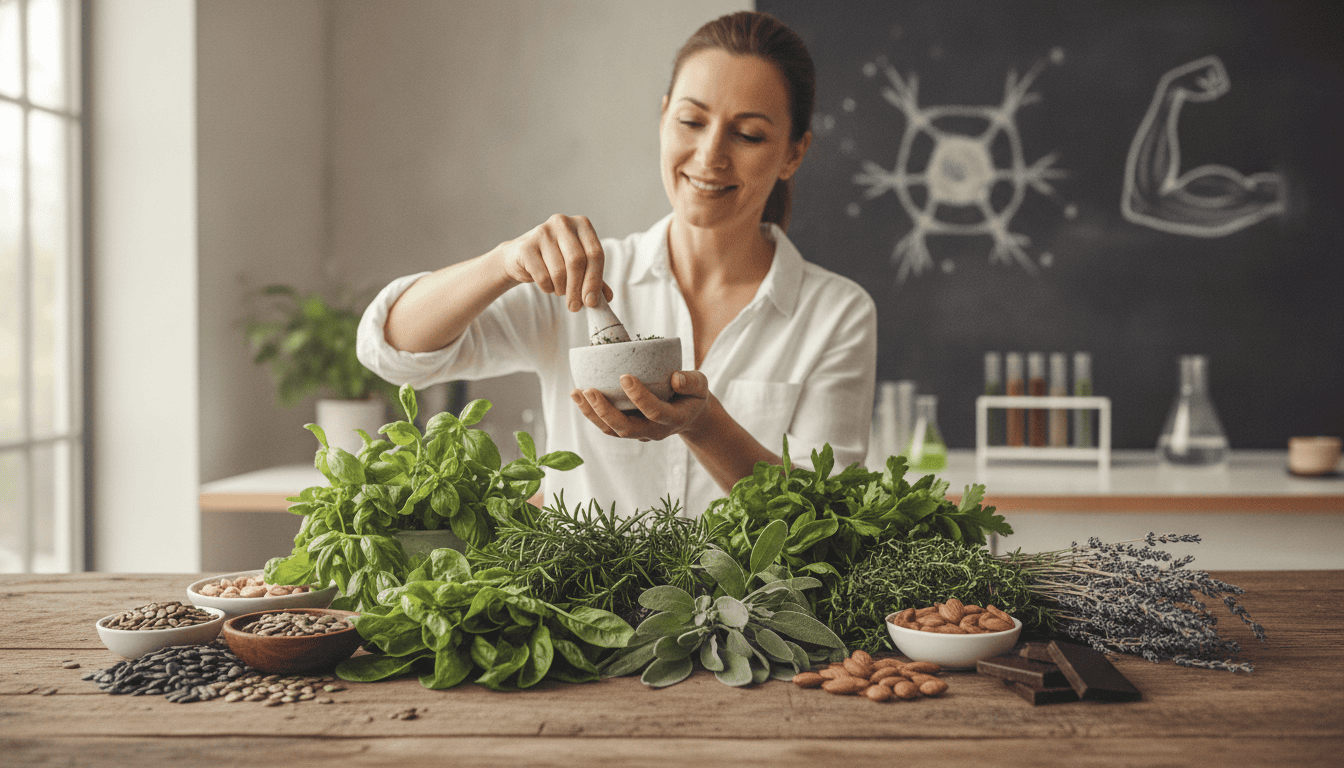
Herbs High in Magnesium: Seven Common Culinary Herbs That Can Boost Your Intake
Discover seven herbs high in magnesium, including sage, spearmint and coriander, with simple ways to add these magnesium-rich herbs to everyday meals today.
Magnesium-rich herbs are gaining attention as an easy way to nudge up dietary magnesium intake without supplements. A review of common culinary herbs shows measurable amounts of magnesium in both dried and fresh forms, with dried herbs often more concentrated. This report outlines seven accessible herbs high in magnesium and offers practical ideas for adding them to everyday cooking.
Ground sage provides the most magnesium per tablespoon
Ground sage tops the list among commonly used herbs, delivering roughly 8.6 milligrams of magnesium per tablespoon. It also contributes vitamin K and small amounts of calcium, iron and potassium, along with antioxidant compounds that protect cells. Use sage in roasted poultry, bean dishes and hearty vegetable sautés to make the most of its flavor and nutrient density.
Dried sage concentrates minerals more than fresh leaves, so powdered or dried forms will yield higher magnesium per serving. Because sage has a robust, savory profile, a small amount goes a long way and pairs especially well with winter squashes and slow-cooked dishes. Cooking with sage early in the process softens its intensity while preserving its nutritive benefits.
Dried coriander leaf (cilantro) concentrates magnesium
Dried coriander leaf, commonly called cilantro when fresh, contains about 4.16 milligrams of magnesium per tablespoon when dried. The drying process reduces water content and concentrates vitamins and minerals, making dried coriander a compact source of nutrients. Its citrusy, bright flavor adapts well to soups, curries, rice dishes and salsas.
Beyond magnesium, coriander leaf supplies vitamin C and vitamin K and plant compounds with antioxidant activity. Sprinkling dried coriander near the end of cooking or folding fresh cilantro into salads enhances taste while adding micronutrients without changing a recipe’s core profile.
Spearmint and fresh basil offer notable magnesium for fresh use
Spearmint stands out among fresh herbs, with roughly 7.18 milligrams of magnesium per two tablespoons, making it one of the more substantial fresh-herb sources. Its menthol-scented leaves are useful in teas, smoothies, yogurt and grain bowls where cooling flavors are desired. Spearmint also contains antioxidant compounds that have been studied for digestive and anti-nausea effects.
Fresh basil provides around 3.84 milligrams of magnesium per quarter cup and brings vitamins A and K alongside polyphenols such as rosmarinic acid. Incorporate basil into pesto, pasta and tomato-based dishes to add both flavor and a modest magnesium boost. Using fresh herbs at the end of cooking preserves delicate aromatic compounds and maximizes nutritional benefit.
Dill and chervil add magnesium with delicate flavor profiles
Dill weed contributes approximately 4.9 milligrams of magnesium per cup and has a gentle, slightly sweet taste that complements fish, potatoes and sauces. Its versatility makes it an easy finishing herb for soups and yogurt-based dressings, where a handful of fresh leaves can lift both flavor and nutrient content. For best texture and aroma, add dill near the end of cooking or use it raw.
Chervil, a staple of French cuisine, contains about 2.47 milligrams of magnesium per tablespoon when dried and lends a mild parsley-like flavor with a hint of anise. It pairs particularly well with eggs, seafood and light cream sauces, offering an understated way to contribute to overall magnesium intake without dominating a dish.
Freeze-dried chives and other finishing herbs concentrate nutrients
Freeze-dried chives provide roughly 1.28 milligrams of magnesium per tablespoon and retain many vitamins and minerals because the dehydration process preserves nutrients. Chives also deliver vitamins A, C and K plus sulfur-containing compounds that have anti-inflammatory and antimicrobial properties. Use freeze-dried chives as a convenient, shelf-stable seasoning for eggs, potatoes, dips and finishes on hot dishes.
Finishing herbs in general—whether freeze-dried, dried or fresh—tend to offer modest but meaningful nutrient contributions when used regularly. Small amounts added consistently across meals can accumulate into a useful portion of daily micronutrient needs, especially for people who prefer food-first approaches over supplements.
Practical tips for using magnesium-rich herbs in everyday cooking
To harness the magnesium in these herbs, favor dried or freeze-dried forms when recipes call for dense seasoning and reach for fresh leaves when texture and aroma matter most. Blend dried sage into rubs, fold dried coriander into grain dishes, steep spearmint in herbal teas and stir fresh basil into salads and sauces for layered benefits. Experiment with combining several herbs to amplify both flavor and nutrient diversity in a single meal.
Remember that herbs are concentrated seasonings rather than primary mineral sources; they work best as complements to magnesium-rich staples like leafy greens, nuts and whole grains. Consistent use of herbs high in magnesium can contribute to a balanced diet and offer additional vitamins, antioxidants and culinary variety.
Incorporating a handful of these herbs into weekly meal plans provides an easy, flavorful way to increase magnesium exposure while improving taste and variety in home cooking.
