
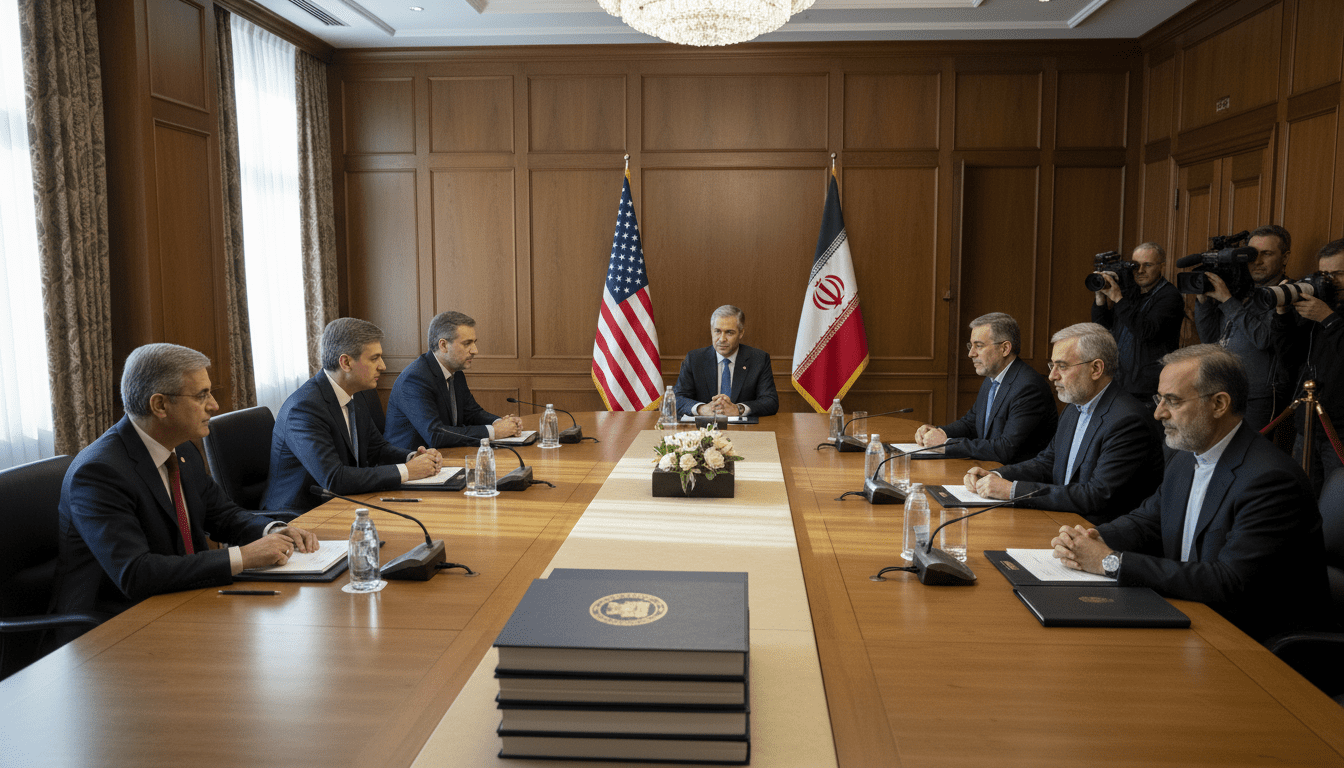
US-Iran agreement nears as one-page memorandum could halt fighting and open 30 days of nuclear talks
US-Iran agreement nears: a one-page memorandum could halt fighting, prompt lifting of blockades, and start 30 days of nuclear talks with sanctions relief.
The United States and Iran are reportedly close to a US-Iran agreement that could end active hostilities, a Pakistani source involved in the talks told Reuters and confirmed earlier reporting by Axios. The proposed accord is said to be contained in a single-page memorandum that would pause military actions and create a framework for more detailed nuclear negotiations.
Memorandum scope and timeline
The memorandum reportedly outlines a short, tightly staged process intended to de-escalate immediately and to move into formal talks within a defined window. U.S. emissaries, including Steve Witkoff and Jared Kushner, have been named in reporting as principal negotiators working directly and through intermediaries with Iranian officials.
According to the accounts, Washington expected an Iranian response within 24 hours and the memorandum envisages a 30-day period for negotiating a comprehensive agreement. During that month, the document would preside over phased steps such as easing maritime restrictions and beginning to resolve financial and sanctions disputes.
Terms on blockades, sanctions and nuclear limits
Key elements reported include a phased end to the Iranian blockade of the Strait of Hormuz and a reciprocal easing of U.S. restrictions on Iranian ports and trade. The memorandum is said to call for Tehran to agree to a moratorium on uranium enrichment while detailed atomic inspections and commitments are discussed.
In parallel, the United States would lift select sanctions and release frozen Iranian assets amounting to billions of dollars, according to sources. The balance of concessions and the sequencing of steps appear central to whether negotiators can convert the one-page outline into binding accords.
Military posture and conditional enforcement
The apparent deal comes amid shifting military postures in the region. The White House recently suspended a U.S. naval escort mission for commercial vessels through the Strait of Hormuz, describing progress toward a diplomatic solution, while Iran’s Islamic Revolutionary Guard Corps announced that safe passage would be guaranteed under new procedures.
Reporters noted that the memorandum includes conditional language: if Tehran fails to meet commitments, U.S. forces could re-impose maritime restrictions or resume kinetic operations. That contingency underscores how tenuous any truce may be and why rapid verification mechanisms have become part of negotiators’ priorities.
Impact on shipping and global energy routes
The Strait of Hormuz, a critical chokepoint for global energy shipments, has been effectively shut for much commercial traffic since the conflict intensified, disrupting markets and supply chains. A staged reopening of the waterway is a central practical aim of the memorandum, one source said, because restoring reliable transit is essential to calm oil markets and reassure shipping lines.
Even a partial lift of the blockade would ease immediate logistical bottlenecks, but shippers and insurers will likely demand clear guarantees and monitoring before normal operations fully resume. The practical mechanics of inspection, escorting and port clearances are expected to be part of the 30-day detailed negotiations.
Regional context and diplomatic mediation
The reported agreement arrives after months of escalating violence that began when U.S. and Israeli strikes against Iran on February 28, 2026 triggered widespread retaliatory attacks by Tehran on regional targets and U.S. bases. Previous rounds of diplomacy have faltered, and the nuclear program has remained an enduring source of disagreement between the parties.
Pakistan’s foreign minister has described the proposed memorandum as a pathway to a “permanent end” of hostilities, reflecting Islamabad’s role as a mediator in the discussions. Iranian officials have also been reported to be reviewing a multi-point U.S. plan, while Tehran retains leverage in its control of regional maritime routes and elements of its nuclear program.
The immediate next steps hinge on Iran’s formal reply to the memorandum and whether both sides accept the sequencing of concessions and verification laid out in the one-page outline. Observers cautioned that while a brief framework can arrest violence quickly, converting it into a durable settlement will require detailed safeguards and mutual trust that has so far been lacking.
If talks succeed, the memorandum could produce a rapid de-escalation and a structured path back to intensive nuclear diplomacy; if they fail, military and economic pressures risk returning, with direct consequences for regional stability and global energy markets. The world will be watching for Iran’s response in the coming day and for the start of the 30-day negotiation period that could determine whether the US-Iran agreement moves from a headline to a lasting reality.
