
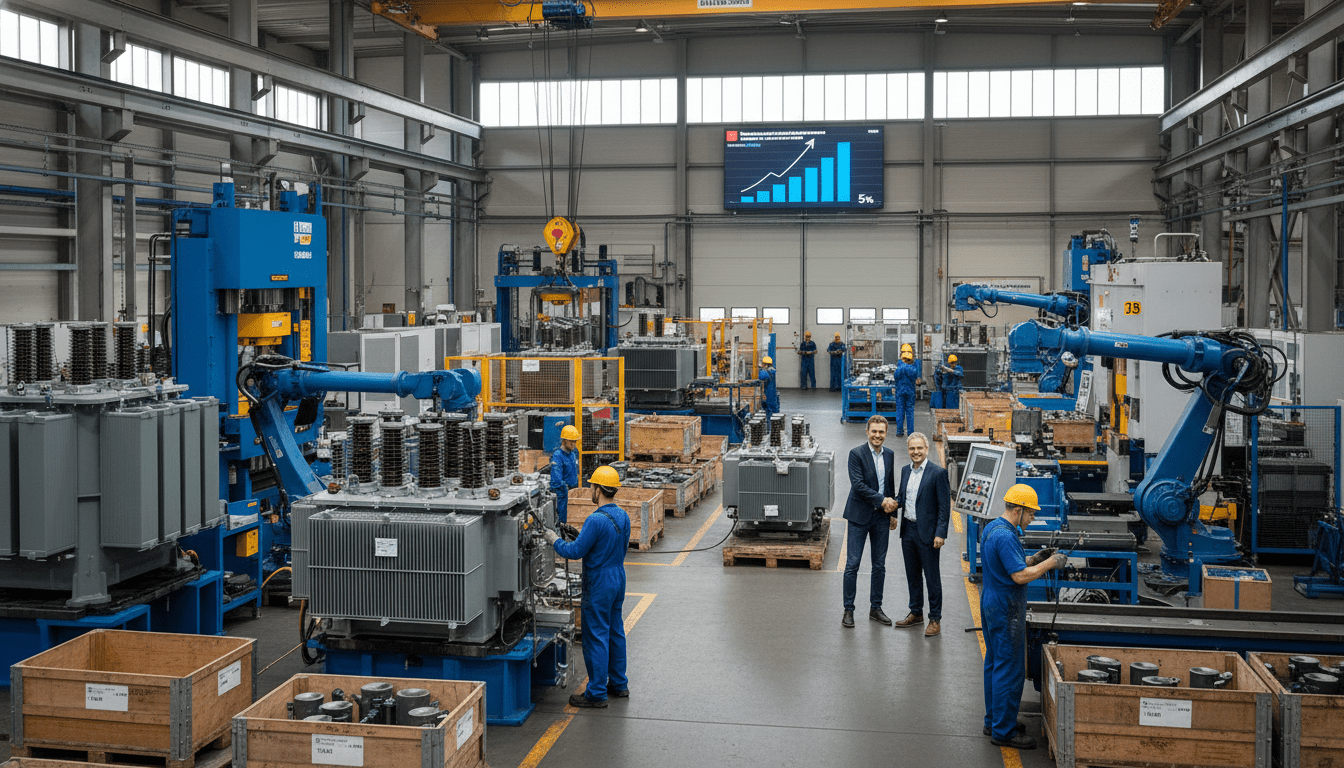
German manufacturing orders jump 5% in March as exports and electronics lead recovery
German manufacturing orders rose 5% month-on-month in March, driven by strong gains in electrical equipment, machinery and electronics, the Federal Statistical Office reported, signaling a tentative rebound in demand.
March headline figures from the Federal Statistical Office
The Federal Statistical Office said new orders in the manufacturing sector increased by 5% compared with February, pushing German manufacturing orders back toward levels not seen since early 2023 when large contracts last boosted activity. Excluding major individual contracts, the agency said order intake reached its highest level since February 2023, reflecting broader gains across industrial branches.
Sectors driving the upswing
Manufacturers of electrical equipment led the advance, recording a month-on-month rise of 21.5%, while machinery producers saw orders climb 6.9%. Producers of data processing equipment and electronic and optical products also posted notable increases, up 14.4% from the previous month, indicating technology-related demand was a key factor in the rebound.
Foreign demand and the Eurozone effect
Foreign orders rose 5.6% in March, with shipments from the Eurozone showing particularly strong momentum, increasing by 10.1%. Orders from non-eurozone markets expanded more modestly by 2.7%, underscoring that a regional recovery in continental demand played an outsized role in the monthly improvement.
Quarterly picture still weighed down by late‑2025 megacontracts
Despite the March rebound, total order intake for the first quarter fell 4.1% compared with the prior quarter, the statistical office cautioned. Officials attributed the quarterly drop largely to an exceptionally high volume of large contracts at the end of 2025, which inflated prior-period comparisons and tempered the quarter-on-quarter reading.
Energy shock and geopolitical risks temper optimism
Economists and government officials warned against overinterpreting the March increase amid lingering uncertainties linked to rising energy costs and geopolitical tensions. The Federal Ministry for Economic Affairs described the monthly gain as a cautious development, noting that the energy price shock following the outbreak of the conflict involving Iran in February could have delayed and uneven effects on orders and production.
Industry sentiment and supply bottlenecks
Survey indicators showed business sentiment deteriorated in April, particularly within the manufacturing sector, as firms reported more pessimistic expectations for the months ahead. Many companies — notably in the chemical industry — cited persistent supply bottlenecks for intermediate goods, a factor that could constrain the pace at which order books translate into production and revenue.
Analyst perspective on the recovery’s durability
Michael Herzum, an economist at Union Investment, said the immediate impact of the Iran conflict was only marginally visible in the March data because the scale of the crisis was not fully known at its outset. He advised caution, arguing that while the month-on-month rebound is encouraging, it does not yet signal a sustained turnaround given current geopolitical and supply‑chain risks.
Outlook for manufacturers and policymakers
The mix of a strong single-month increase and a weaker quarterly reading presents a complex picture for policymakers and industry leaders weighing support measures and investment decisions. Companies that saw order books expand will face renewed pressure to resolve input shortages and to assess exposure to energy price volatility if recent geopolitical shocks persist.
The March improvement in German manufacturing orders suggests demand has momentum in select sectors and markets, but economists and government officials alike emphasize that the recovery remains fragile and contingent on easing supply constraints and stabilizing energy markets.
