
Operation Southern Spear: US Military Sinks Suspected Smuggling Boat, Raising Legal and Human Rights Questions
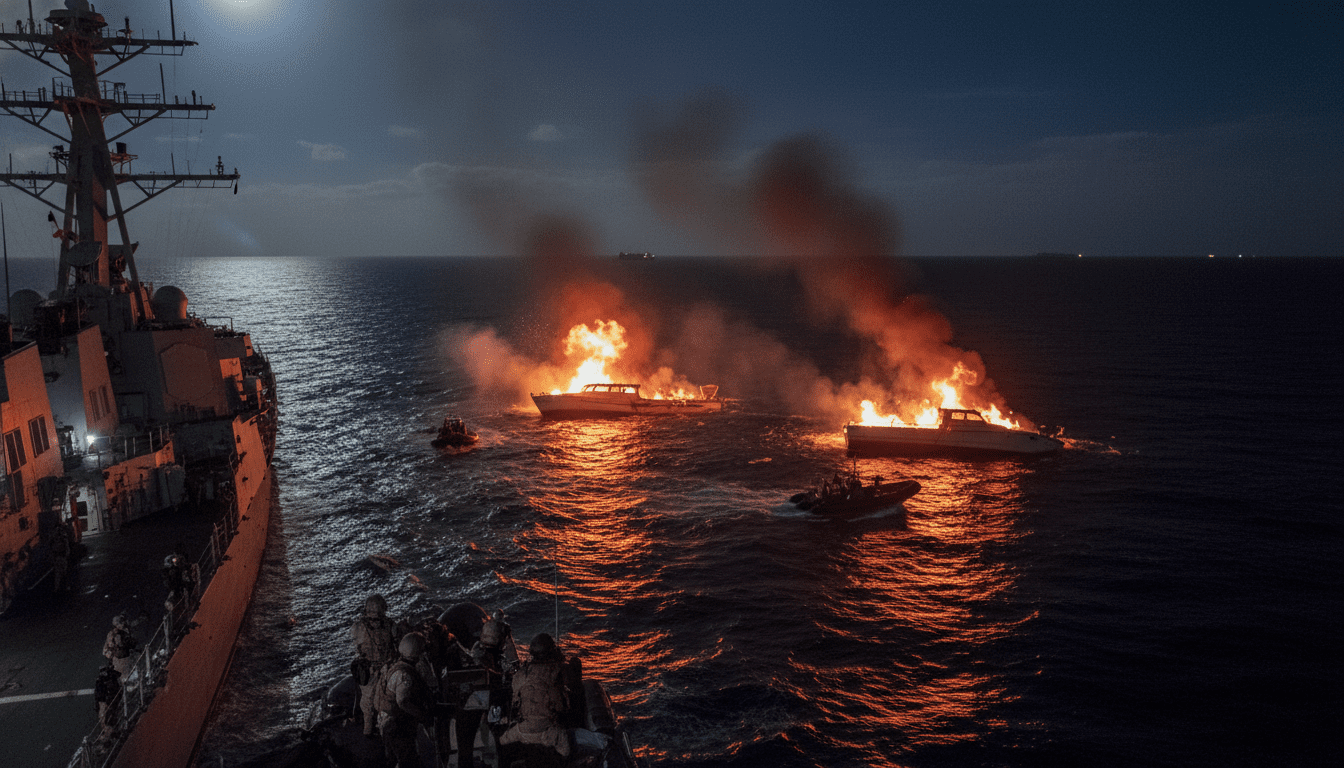
US forces, under Operation Southern Spear, sank a suspected smuggling vessel on May 4, 2026, killing two and intensifying scrutiny of the campaign’s legality and civilian toll.
Strike off Caribbean Coast Kills Two
On Monday, May 4, 2026, U.S. military aircraft struck and sank a fast-moving vessel in Caribbean waters, killing two people aboard, U.S. officials said. The action was described by Pentagon spokespeople as part of Operation Southern Spear, the broad campaign targeting alleged narco-terrorist smuggling operations. Family members and regional observers, however, have raised immediate doubts about whether the victims were combatants or civilians engaged in fishing or small-scale transport.
The incident follows a pattern of maritime strikes that U.S. military leaders say are aimed at disrupting drug shipments bound for U.S. markets. Local authorities and human rights groups have documented casualties and called for independent investigations into the circumstances of the attack.
Operation Southern Spear Began with a High‑Profile Strike on Sept. 2, 2025
The campaign labeled Operation Southern Spear was launched publicly after a September 2, 2025 airstrike targeted a Venezuelan fast boat, which the U.S. said was carrying illicit narcotics. Eleven people aboard that vessel died in the initial strike, marking the first known U.S. lethal engagement against suspected smugglers in the region since the 1989 Panama invasion. Washington framed the action as a necessary escalation to confront transnational trafficking networks.
Since that opening strike, U.S. commands report a sustained series of maritime and air actions. According to publicly released tallies associated with the campaign, more than 50 strikes have been carried out and the number of reported fatalities tied to the operation has risen to at least 187.
Pentagon Widens Drone and Aircraft Footprint in Region
U.S. officials and reporting indicate a significant buildup of surveillance and strike assets in recent months to enable simultaneous operations across the Caribbean and the eastern Pacific. The effort has included an increased number of armed MQ‑9 Reaper drones and discreet attack aircraft, with sorties staged from facilities in Puerto Rico and El Salvador, according to multiple military sources. Pentagon planners say the posture reduces the likelihood that suspicious craft will escape detection and interdiction.
Military briefings outline a objective to maintain persistent coverage without frequent redeployment, allowing forces to respond quickly across broad maritime corridors. Critics argue that expanded strike capacity raises the risk of misidentifying noncombatant vessels and executing lethal force without robust on-scene verification.
UN and Rights Groups Call Strikes Unlawful
International bodies and legal experts have challenged the U.S. framing of the campaign as an armed conflict with “narco‑terrorist” organizations, arguing that the use of military lethal force against suspected smugglers risks breaching international human rights and humanitarian law. In statements last year, the U.N. High Commissioner for Human Rights urged the United States to halt operations that appear to target civilians and to ensure accountability for apparent violations.
Observers have flagged reports of so‑called double‑tap strikes—follow‑on attacks that allegedly struck survivors after an initial blow—and questioned whether rules of engagement have adequately protected noncombatants. Several rights organizations have called for independent inquiries into specific incidents and for clearer legal justification of the campaign’s scope.
Allied Intelligence Sharing Tightens as Doubts Grow
Washington’s closest partners have responded to the controversy by reassessing their level of operational cooperation. Officials in the United Kingdom and Canada have, at times, limited the transfer of some intelligence to avoid being implicated in lethal operations that allies view as legally or ethically problematic. Those restrictions have complicated joint efforts to track illicit trafficking while reflecting growing unease about the campaign’s targeting standards.
Regional governments have adopted mixed positions: some welcome increased pressure on trafficking networks, while others worry about sovereignty, civilian harm, and the lack of judicial processes for those targeted. The divergence has added diplomatic strain to a mission the Pentagon says is essential to U.S. border security interests.
Southern Command Says Campaign Is One Part of a Broader Strategy
Since taking command of U.S. Southern Command in February 2026, General Francis L. Donovan has defended the tactical gains of the strikes while acknowledging their limits. In April testimony before the Senate Armed Services Committee, he said the operations have compelled trafficking groups to alter their tactics but conceded that military strikes alone cannot solve the underlying drug demand in the United States. Donovan described steps to expand cooperation with regional partners, including deeper ties with Ecuador, and to pursue a more comprehensive approach that blends interdiction, intelligence, and partner capacity building.
Pentagon officials insist they are refining procedures to reduce civilian risk and to improve intelligence validation before strikes. Still, the absence of a transparent investigatory mechanism for contested incidents has left families and rights monitors calling for external oversight.
The sinking on May 4 has renewed urgent questions about how the U.S. defines targets and balances security goals against legal obligations and human costs. As Operation Southern Spear continues, policymakers and courts may face mounting pressure to clarify the rules that govern use of force at sea and to address claims from victims’ families.
