
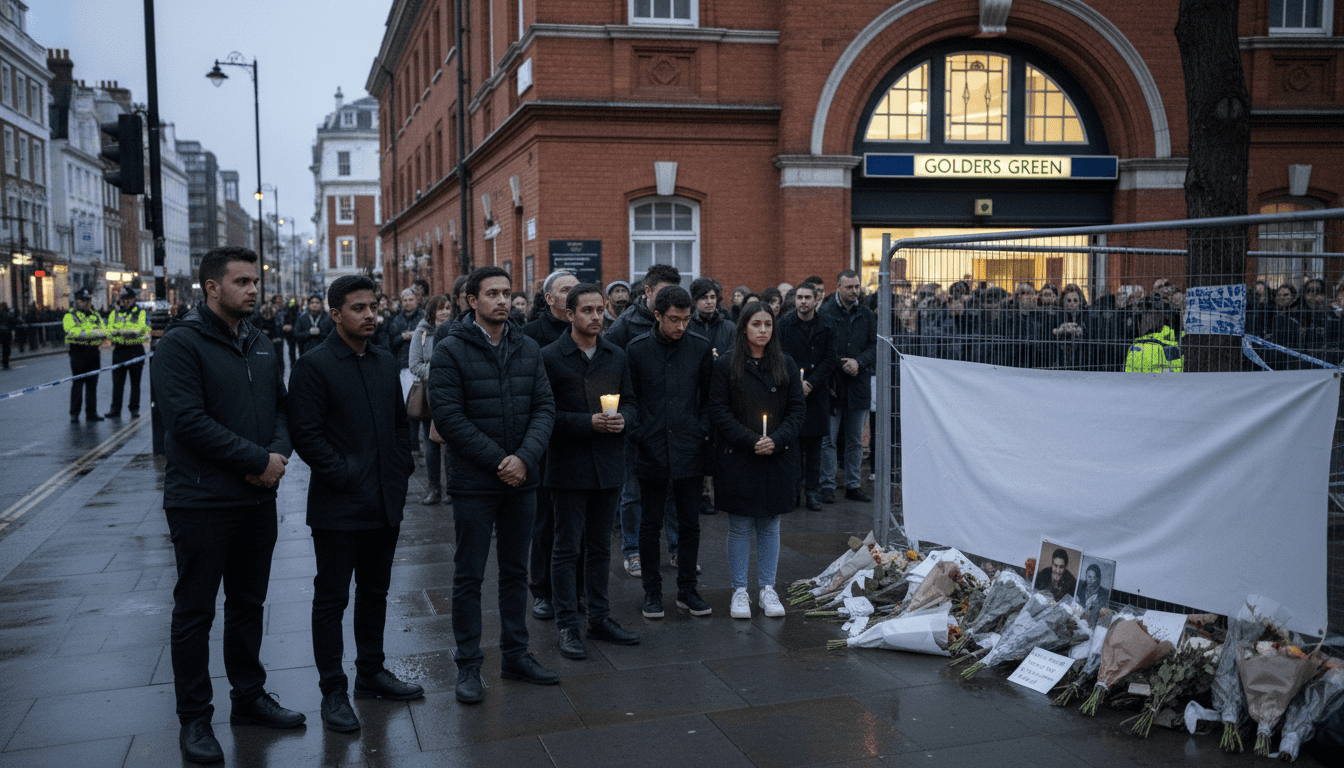
Golders Green stabbings: UK media coverage omits Muslim victim, raising charges of institutional Islamophobia
Golders Green stabbings coverage downplayed a Muslim victim, raising concerns about institutional Islamophobia and unequal recognition across Britain today.
A recent attack in north London left three people wounded, yet reporting of the Golders Green stabbings largely focused on two Jewish victims while omitting a third, Muslim man who was attacked the same day. The accused, reportedly discharged from psychiatric care days earlier, appeared in court charged in connection with the incidents, but questions remain about how authorities and news outlets framed the event. Critics say the omission highlights broader problems in how British institutions record and report violence when a Muslim person is harmed.
Three victims, uneven reporting
The incidents involved three alleged victims: Ishmail Hussein, described by witnesses as an acquaintance of the suspect, and two Jewish men who were attacked in Golders Green. The latter were named in coverage, photographed and interviewed; their injuries and backgrounds were widely discussed in headlines and broadcast bulletins.
By contrast, Hussein’s name and injury details were absent from several high-profile statements and reports, prompting observers to ask why one victim received far less visibility. Social media users and community figures flagged the gap, saying it raised questions about consistency in official accounts and media scrutiny.
Official responses focused on antisemitic motive
Government and police statements quickly emphasised the apparent targeting of Jewish individuals, with senior officials describing the incident as antisemitic and counter-terrorism units taking the lead. The rapid public focus on an antisemitic motive drew national attention and political statements from Downing Street that framed the attack within a broader pattern of threats against Jewish communities.
That focus, while reflecting legitimate concerns about antisemitism, also coincided with the absence of formal recognition for the Muslim man wounded in a separate but related attack the same day. Observers argue this selective emphasis can shape public understanding of a single episode into two separate and unequal narratives.
Scholars link erasure to structural Islamophobia
Academic commentators have long argued that Islamophobia is not only a matter of individual prejudice but also a structural process that can render Muslim experiences marginal in public discourse. Those analyses suggest that omission is not necessarily the result of a deliberate conspiracy but often the product of institutional habit and cultural blind spots.
Applied to the Golders Green stabbings, that framework helps explain why one victim was foregrounded while another became effectively invisible in official and media accounts. The discrepancy, critics say, speaks to deeper patterns in which Muslim suffering is less readily incorporated into the national story.
How institutions make some victims invisible
Institutional practices — from police communications to editorial decisions — can privilege certain victims over others without any single person intending to silence someone’s experience. Routine choices about whom to name, which images to publish and which interviews to seek accumulate into a consistent pattern of visibility and erasure.
The lack of immediate internal scrutiny or public explanation after the omission reinforced concerns that the erasure was more than a one-off mistake. Calls for accountability centred on the idea that institutions must examine how standard operating procedures produce unequal recognition.
Political and commercial incentives behind narratives
Media outlets and political actors operate in an environment where polarising stories attract attention and engagement, creating incentives to emphasise narratives that fit established frames. Stories that align with existing national anxieties — such as attacks on Jewish communities — can prompt rapid mobilization and coverage, while other threads of the same incident may be downplayed because they complicate a clear storyline.
That dynamic can have material consequences: it shapes which communities receive public sympathy, which grievances enter policy debate, and which actors face rapid investigation. For Muslim communities, persistent under-recognition of harm contributes to distrust and a sense that their experiences do not carry equal moral or civic weight.
Calls for equal recognition and transparency
Community leaders, media critics and civil-society organisations have urged police and newsrooms to correct omissions and provide transparent explanations of what happened and why certain details were initially absent. They stress that naming all victims and documenting events accurately is essential for building trust and ensuring equitable treatment under the law.
Legal and health-related questions about the suspect’s recent discharge from psychiatric care have also been raised, with advocates asking for clarity about safeguarding procedures and whether systemic failures contributed to the sequence of events. Observers say transparent answers are necessary not only for justice in this case but to prevent similar lapses.
Ishmail Hussein’s absence from early reports is, for many, a test of Britain’s commitment to equal recognition for all victims of violence. Restoring that balance will require more than corrections on a website; it will demand institutional reflection, clearer communication policies and a public willingness to see and record harm wherever it occurs.
