
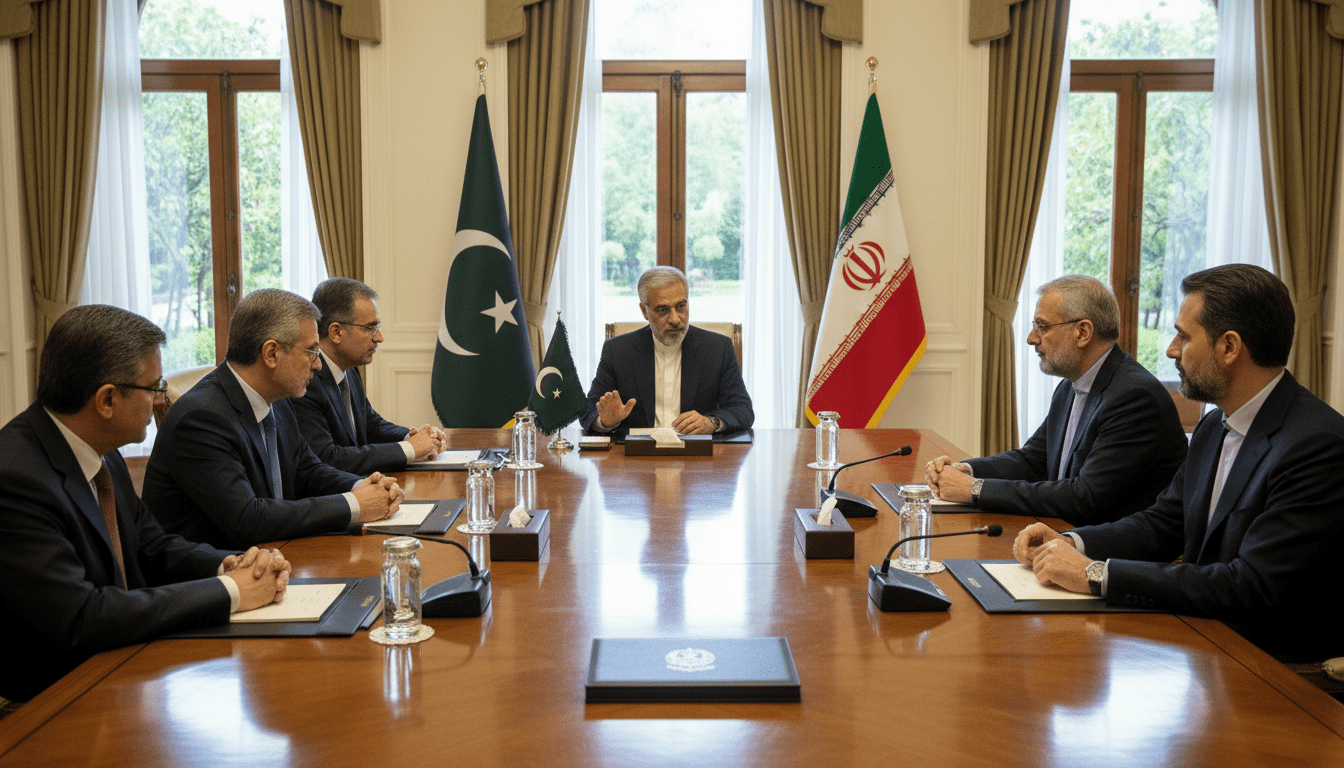
Iran response to US proposal still pending as messages transit via Pakistani mediator
Iran has not yet formally replied to the latest US proposal, and Tehran says diplomatic contacts continue through Pakistani mediation as exchanged texts are reviewed. The phrase “Iran response to US proposal” reflects the central development after the Iranian foreign ministry spokesperson confirmed ongoing message exchanges via Pakistan to state broadcaster IRIB. Officials emphasized that Tehran is conducting internal reviews of the texts and has not issued an official answer.
Tehran says no formal response yet
Iranian foreign ministry spokesperson Esmaeil Baghaei told state media that Tehran has not dispatched a formal response to the US proposal and is instead processing material received through intermediary channels. Baghaei described messages being exchanged through the Pakistani mediator and said reviews of the exchanged texts are ongoing, a detail published by IRIB. The statement framed the interaction as diplomatic and procedural rather than public or confrontational.
Diplomatic channels via Pakistan remain active
Pakistan is serving as the intermediary in the latest round of communications, with Tehran confirming the country’s role in shuttling messages between the two capitals. Iranian officials did not specify whether Islamabad is carrying verbal messages, written proposals, or both, but described an active flow of information. The use of a third-party mediator is consistent with past practice when direct lines are limited or politically sensitive.
Exchanged texts under review in Tehran
Baghaei’s comments indicated that the content of the texts exchanged is under internal review, suggesting legal, political and possibly security assessments are underway. Iranian ministries and advisers typically examine external proposals for compliance with national red lines before any formal response is drafted. No timetable was provided for the completion of these reviews, leaving the question of when a formal reply might arrive open.
Limited public detail about the US proposal
Neither Iranian nor US officials have publicly disclosed comprehensive details of the US proposal, and Baghaei’s remarks did not outline its specific substance. That lack of public detail has left analysts and regional diplomats relying on indirect signals and official summaries rather than full texts. The restrained disclosure underscores the sensitivity of the contacts and the preference by both sides to manage negotiations away from daily public scrutiny.
Regional and diplomatic implications of the exchange
Observers say that even limited, mediated exchanges can carry significant diplomatic weight, shaping regional dynamics and opening narrow avenues for de-escalation or compromise. The use of Pakistan as a facilitator highlights Islamabad’s diplomatic utility and reflects the complexity of routing talks in a politically charged environment. While the precise impact will depend on the proposal’s content, the process itself signals a continuation of engagement rather than a complete breakdown in communication.
Possible next steps and timing remain uncertain
Officials have not set a public timetable for when Tehran might complete its review or deliver a formal reply, leaving the sequence and pace of further contacts uncertain. Potential next steps could include additional mediated exchanges, direct talks if political conditions permit, or a formal written response from Tehran that accepts, rejects or seeks changes to parts of the proposal. For now, the matter is in a deliberative phase, with diplomatic actors monitoring developments for signs of movement.
The confirmation that messages are being relayed through Pakistan and that Iran is carefully reviewing exchanged texts frames the immediate picture: negotiations are active but measured, and an official Iran response to the US proposal has not yet been delivered.
