
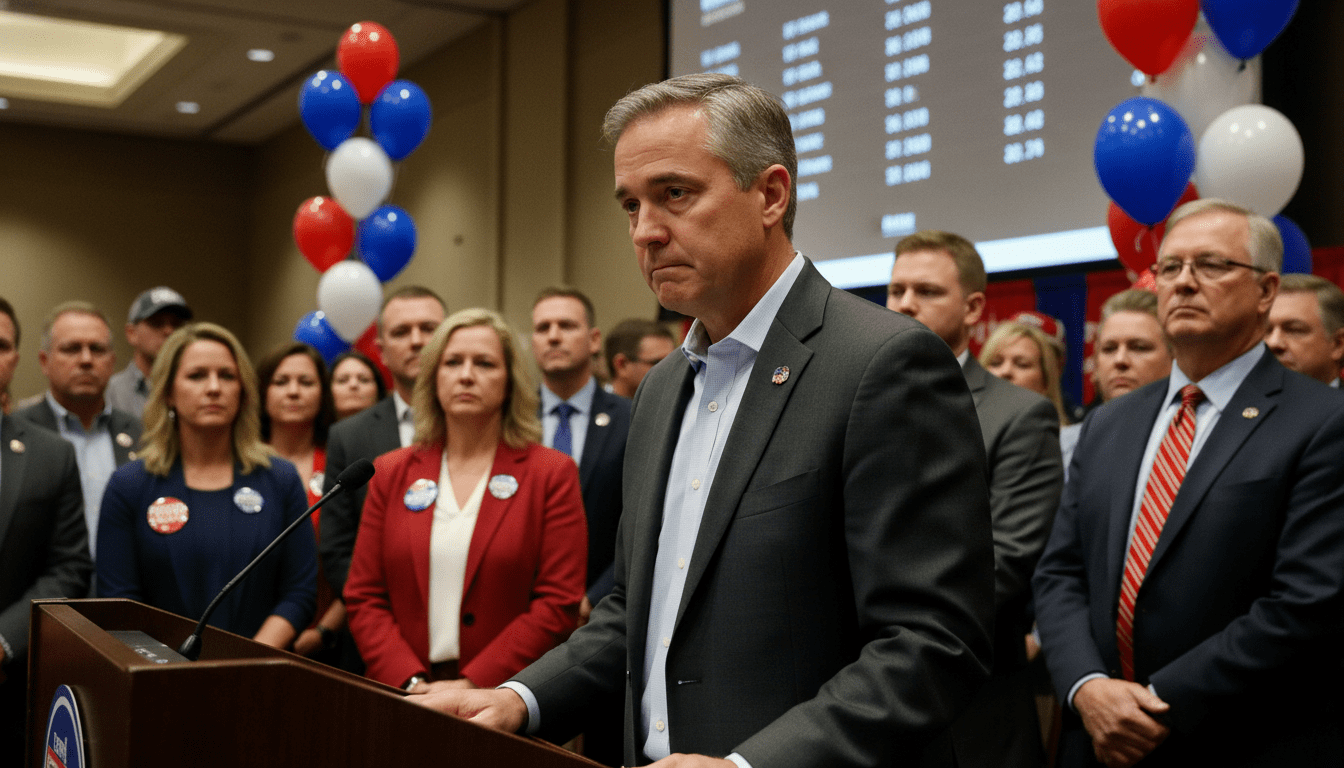
Trump-backed candidate Randy Feenstra narrowly loses Iowa GOP primary to Zach Lahn
Trump-backed candidate Randy Feenstra lost the Iowa GOP gubernatorial primary to businessman Zach Lahn by under one percentage point, signaling turbulence in Republican ranks.
Feenstra narrowly defeated by Zach Lahn
Randy Feenstra, a sitting congressman endorsed by former President Donald Trump, was edged out by businessman Zach Lahn in the Republican primary for Iowa governor. Official returns released after the vote showed Lahn leading by less than one percentage point, denying Feenstra the nomination in a race decided by a slim margin.
The contest drew intense attention because of Trump’s intervention just days before Election Day, when he declared his “full and unconditional support” for Feenstra. That late endorsement did not translate into a decisive victory, underscoring the closeness of intra-party competition in Iowa.
Trump’s endorsement strategy and its limits
Trump’s endorsement of Feenstra was the latest in a string of high-profile interventions by the former president across the midterm season. He had celebrated a run of successful backings earlier in the year and campaigned energetically for aligned candidates in several states.
Yet Feenstra’s loss illustrates the limits of top-line endorsements in tightly contested local races. Voters in Iowa weighed a range of local and personal factors, and the margin suggests endorsements can influence but not always determine outcomes.
Recent nomination battles show continued Trump influence
Despite Feenstra’s defeat, this year’s primaries have largely demonstrated Trump’s durable influence within the Republican Party. He backed candidates across both congressional and gubernatorial contests, often elevating controversial or hardline figures who resonated with his base.
Examples include his support for candidates in other states, where his backing has sometimes been decisive and other times contentious. Those mixed results have left party leaders assessing how endorsements shape both primary outcomes and general election prospects.
Implications for Iowa’s November general election
With Lahn now set to carry the Republican banner, Iowa’s gubernatorial contest moves to a high-stakes November matchup against the Democratic nominee, former state auditor Rob Sand. Democrats hope to capitalize on divisions within the GOP while arguing for a return to more moderate governance.
Sand’s takeover of the Democratic nomination frames a clear partisan rematch and sets up a campaign focused on state fiscal management and local issues. The narrow Republican primary result could influence messaging and turnout strategies for both parties leading into the fall.
Broader partisan shifts in Iowa politics
Iowa, long a battleground state in presidential cycles, has trended Republican since 2016, but recent contests show the state’s politics remain competitive and fluid. Shifts in voter alignment at the state level have attracted national attention as both parties prepare for the midterms.
Local dynamics—such as candidate profiles, campaign organization, and endorsements—appear to matter as much as overarching national narratives. That reality will shape how both parties allocate resources in the coming months.
Down-ballot consequences and Senate matchup
The primary outcome also has implications for down-ballot races, where incumbents and challengers are already positioning for the general election. On the Senate ballot, Democratic hopeful Josh Turek is slated to face Republican Representative Ashley Hinson, creating another high-profile contest in Iowa.
How the gubernatorial primary played out may affect donor enthusiasm and volunteer mobilization across these races, particularly if party unity is tested ahead of November. Voter sentiment in the governor’s race could serve as an early indicator for other competitive matchups.
Feenstra’s narrow loss despite a high-profile endorsement underscores a crowded and unpredictable Republican field in Iowa, with national influence interacting unevenly with local voter priorities. The result reshuffles the November landscape and will force both parties to refine their strategies as they pivot from primaries to the general election.
