
German tax reform seen as modest tweak, minister urges simplification and digital filing
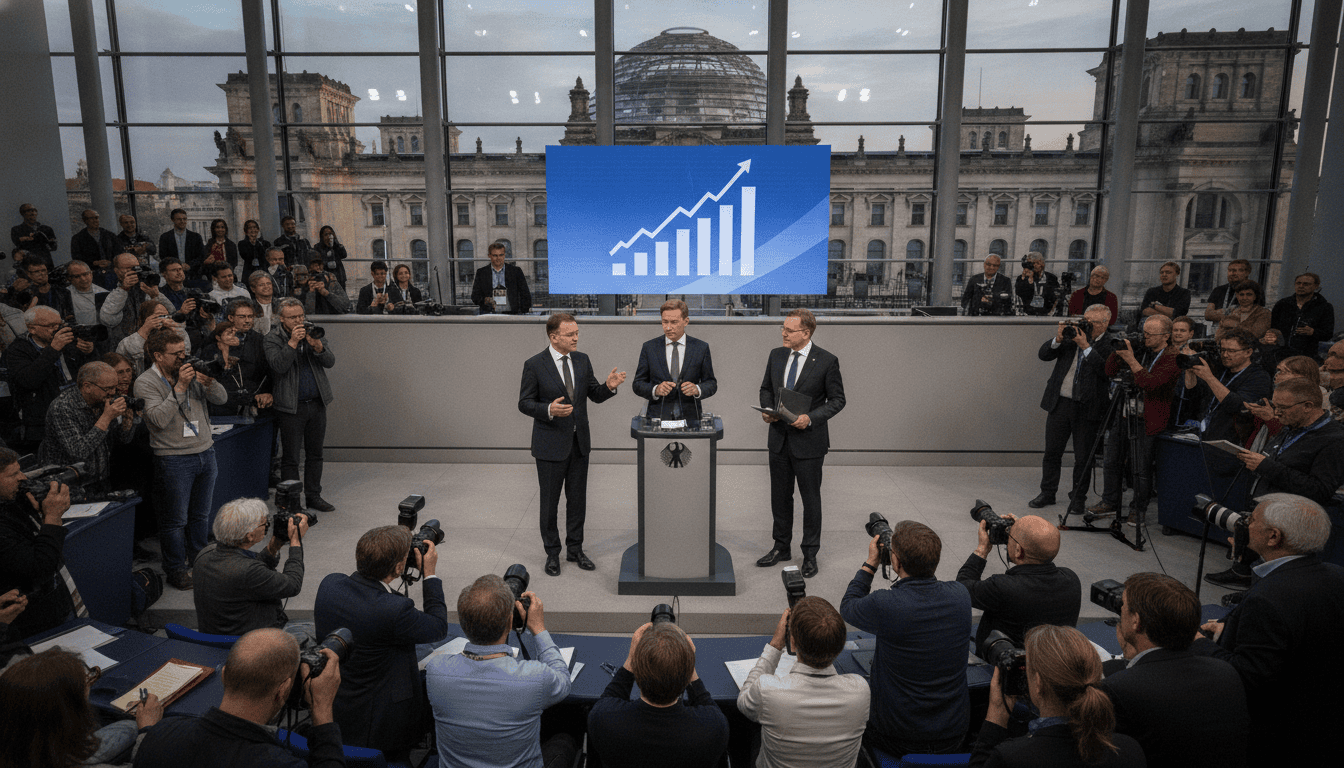
Germany’s tax reform ahead of the summer recess offers modest relief for low and middle incomes, Finance Minister Danyal Bayaz says, while calling for broader simplification and digital tax services.
Government presents limited German tax reform before summer break
The federal government released its tax proposals prior to the parliamentary summer recess, aiming to ease burdens on small and middle incomes while tightening taxes on the very wealthy. Finance Minister Danyal Bayaz described the package as limited in scope, noting it principally raises the basic tax allowance and compensates for cold progression rather than delivering sweeping structural change.
Bayaz cautioned that public expectations had been inflated during the debate, and that fiscal realities left little room for deeper relief. He argued the measures are a pragmatic response to household pressures but fall short of a comprehensive reform plan.
Call for simplification of employee tax rules and lump-sum allowances
Bayaz urged a shift from detailed itemisation toward pauschalities that would simplify filings for workers and reduce paperwork burdens. He proposed consolidating common employee-related tax items—home office days, partial home-office deductions and commuting costs—into a single workday allowance to streamline submissions.
He acknowledged this would trade some individualised fairness for administrative ease, but said greater use of standardised allowances would benefit the majority of taxpayers. The minister framed simplification as a priority citizens deserve amid persistent inflationary pressures.
Federal-state tensions shape fiscal choices
The interaction between federal and state budgets loomed large in Bayaz’s assessment of what reforms are feasible, reflecting Germany’s federal fiscal architecture. He warned that federal reform ambitions can be constrained when states scrutinise their own revenue shortfalls and refuse to pass costs to local budgets.
Bayaz described his perspective as shaped by experience in both the Bundestag and state government, and said the federalist system must not become a brake on necessary change. He pressed for clearer responsibility-sharing so that reforms are paired with reliable funding commitments.
Baden-Württemberg tightens spending, targets €250 million in cuts
Facing a reported structural gap in the 2027 budget planning round, Baden-Württemberg’s finance office has identified areas for savings and re-prioritisation. Bayaz said roughly a quarter of the state budget is tied to municipal transfers and personnel costs are high, leaving little flexible spending to adjust.
To close the gap, he indicated the state will seek about €250 million in savings, mainly from trimming discretionary programmes and reviewing subsidies. Bayaz admitted the measures will be painful but argued shared cuts across ministries are necessary to maintain balance and fairness.
Digital tax filing and selective enforcement to boost compliance
From July 1, the state intends to expand prefilled digital tax returns, allowing many salaried workers and pensioners to file via an app with minimal input. Bayaz framed automated declarations as an effort to reduce the shoebox-style storage of receipts and to make tax compliance more user-friendly.
At the same time, the ministry is enhancing enforcement tools to protect revenue, including a digitised anonymous whistleblower portal and a cross-departmental unit targeting money laundering. Bayaz defended combining easier filing with strengthened enforcement, saying trust in the tax system depends on perceived fairness and effective collection.
Bureaucracy reduction law and the limits of state authority
Baden-Württemberg’s new administrative law aims to remove a broad set of reporting and documentation obligations unless a minister can justify them anew. Bayaz argued the measure responds to shifting economic and demographic pressures that make the status quo unsustainable.
He conceded the state is responsible for a relatively small share of overall bureaucracy, but said cultural change is required to curb a bias toward individualised controls and risk aversion. The minister called for a societal conversation about returning more responsibility to citizens and trimming unnecessary administrative load.
Industrial change and strategic economic priorities
Bayaz acknowledged mounting pressure on traditional industrial employment in the state, citing global competition and structural shifts rather than single policy decisions as the main drivers. He urged realism about the pace of adjustment while underscoring the state’s role in cushioning transitions and supporting high-tech growth.
He recommended concentrating public efforts on electrification, research in sensor technology, AI, quantum and biotech, and targeted support for clusters with growth prospects. Bayaz suggested a multi-year adaptation period and emphasised that preserving every existing job is neither feasible nor the right policy objective.
The German tax reform package, Bayaz says, is a practical, fiscally constrained step rather than a systemic overhaul; it pairs modest tax relief with moves toward simplification, wider digitalisation of filing, and firmer enforcement to protect revenue. The proposals now face further debate between federal and state authorities as lawmakers determine whether these incremental changes can satisfy public demand for relief and administrative reform.
