
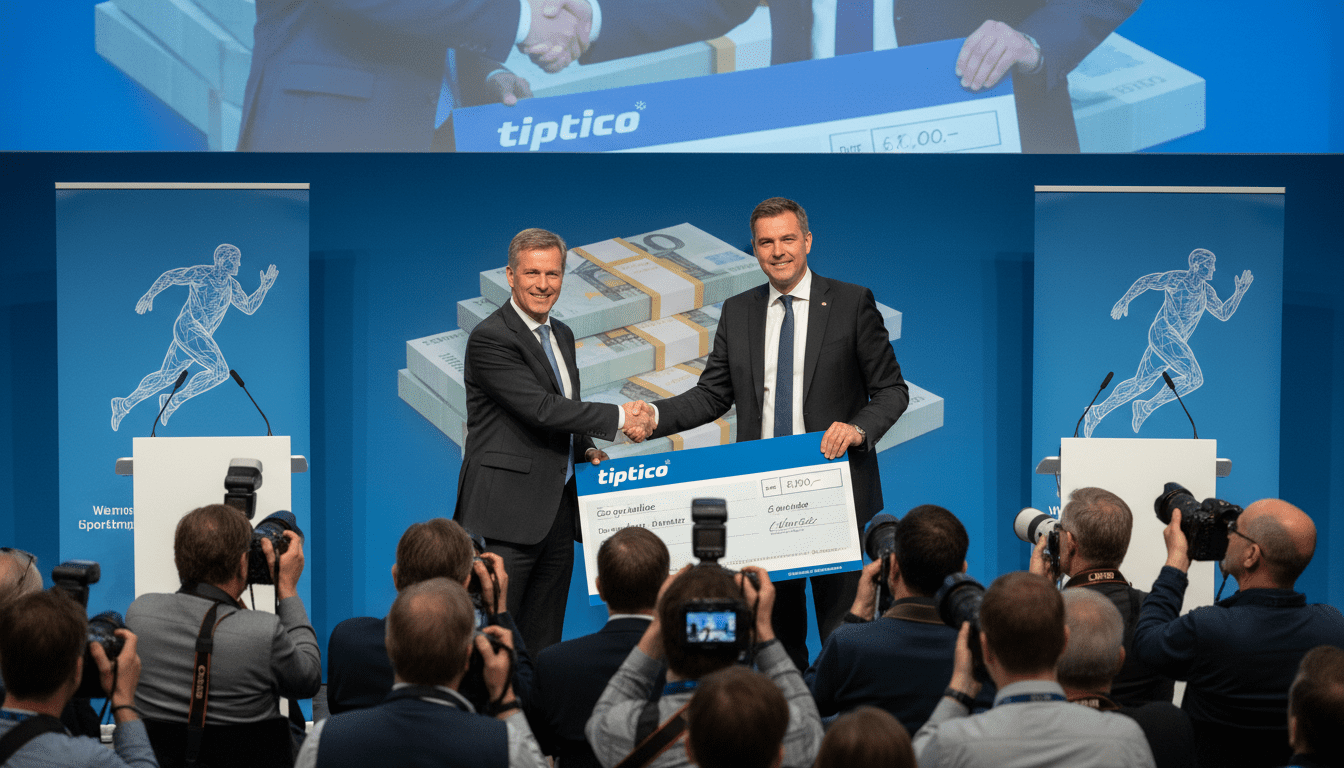
Sporthilfe Tipico sponsorship draws scrutiny after multimillion-euro deal for elite athletes
Sporthilfe Tipico sponsorship sparks debate over gambling ties and athlete welfare after a multimillion-euro deal, prompting ethical and regulatory scrutiny.
The German Sports Aid Foundation confirmed a multimillion-euro sponsorship arrangement with betting operator Tipico, sparking an intense debate about the role of gambling companies in elite sport. The Sporthilfe Tipico sponsorship aims to channel funding quickly to top athletes, but critics say the partnership raises serious concerns about conflicts of interest and the welfare of competitors. The announcement, published on May 13, 2026, prompted immediate responses from addiction specialists, athlete representatives and political observers.
Deal structure and stated objectives
The sponsorship agreement positions Tipico as a major supporter of elite sport funding in Germany, with the Sporthilfe describing the funds as targeted aid for athletes preparing for major competitions. Sporthilfe officials say the arrangement will deliver “unbureaucratic” financial help to athletes who need rapid support for training, equipment and competition costs. Details on the precise sum and the contractual conditions have not been fully disclosed in public documents released so far.
The Sporthilfe frames the partnership as a pragmatic response to funding gaps that can hinder athletes’ preparation and career stability. Supporters within the organization argue that private-sector funds—if managed with transparency—can preserve athletes’ competitive prospects and secure resources that public budgets do not provide. Yet the choice of a gambling operator as a sponsor immediately complicates the narrative.
Concerns over athlete vulnerability and gambling risks
Medical and addiction professionals warn that sportspeople may be particularly vulnerable to gambling-related harm, given the closely intertwined cultures of competition, risk-taking and performance pressure. Studies and treatment providers note that athletes under stress can be susceptible to problematic betting behaviour, whether by betting on their own events or by using gambling as a coping mechanism. Those risks, experts say, require careful mitigation when a gambling company becomes a visible funder of elite sport.
Opponents of the deal argue that sponsorship visibility matters: branding and promotional activity can normalize betting among young athletes and fans. They stress that any partnership with a gambling operator should include strict safeguards, independent monitoring and funded prevention programs to reduce the potential for addiction. Without such measures, critics say, the perceived benefits of immediate funding come at a reputational and health cost.
Public backlash and accusations of sportswashing
The announcement produced sharp criticism in some quarters, with commentators accusing the Sporthilfe of compromising ethical standards to secure money. Detractors used terms such as “sold out” to describe the foundation’s decision, arguing that it undermines public trust in institutions that support athlete development. The charge of “sportswashing” — using sponsorship to polish a corporate image — has been applied by those who see the deal as a way for a betting company to expand legitimacy.
Proponents of the sponsorship counter that corporate involvement is a longstanding feature of modern sport and that refusing private funds could shrink the pool of available resources for athletes. They also argue that not all corporate relationships carry the same risk and that stringent contractual safeguards can limit commercial influence over sporting decisions.
Regulatory and legal considerations
The Sporthilfe Tipico sponsorship raises questions for regulators who oversee gambling advertising and sponsorship in Germany and at the European level. Current rules governing advertising, youth protection and gambling operations vary across jurisdictions and have tightened in recent years in response to public health concerns. Legal experts say the arrangement may prompt closer scrutiny from authorities tasked with ensuring that betting companies do not exploit sports partnerships to circumvent restrictions.
Policymakers and oversight bodies may request disclosure of the contract’s terms and any associated marketing plans to evaluate compliance with advertising bans and youth-protection laws. Transparency about how funds are allocated and whether conditionality or promotional clauses exist will be central to assessing regulatory compatibility.
Sporthilfe’s rationale and proposed safeguards
In public statements, Sporthilfe leaders emphasize the need to close urgent funding gaps and to help athletes who do not benefit from larger federation budgets or personal sponsorship. The foundation says it will implement measures to insulate sporting decisions from commercial influence and to safeguard athletes’ wellbeing. Proposed safeguards include transparent accounting of funds and dedicated programs to prevent problem gambling.
Critics remain skeptical until oversight mechanisms are independently verified and prevention programs show measurable outcomes. Calls for an independent audit of the sponsorship, an explicit ban on athlete-targeted marketing, and funding for addiction counseling have been made by several advocacy groups. Those demands reflect a wider push for accountability when public-interest organisations accept private money.
Final reactions from athlete representatives and political figures are likely to shape the next phase of public debate, and legal authorities may seek clarifications in the coming weeks. The arrangement has already highlighted competing priorities in sports funding: the urgent need to support elite athletes versus the long-term public-health implications of associating sport with gambling revenue.
The Sporthilfe Tipico sponsorship has brought funding strategy, athlete welfare and regulatory oversight into direct tension, prompting calls for fast but careful action to reconcile immediate athlete needs with broader ethical responsibilities.
