
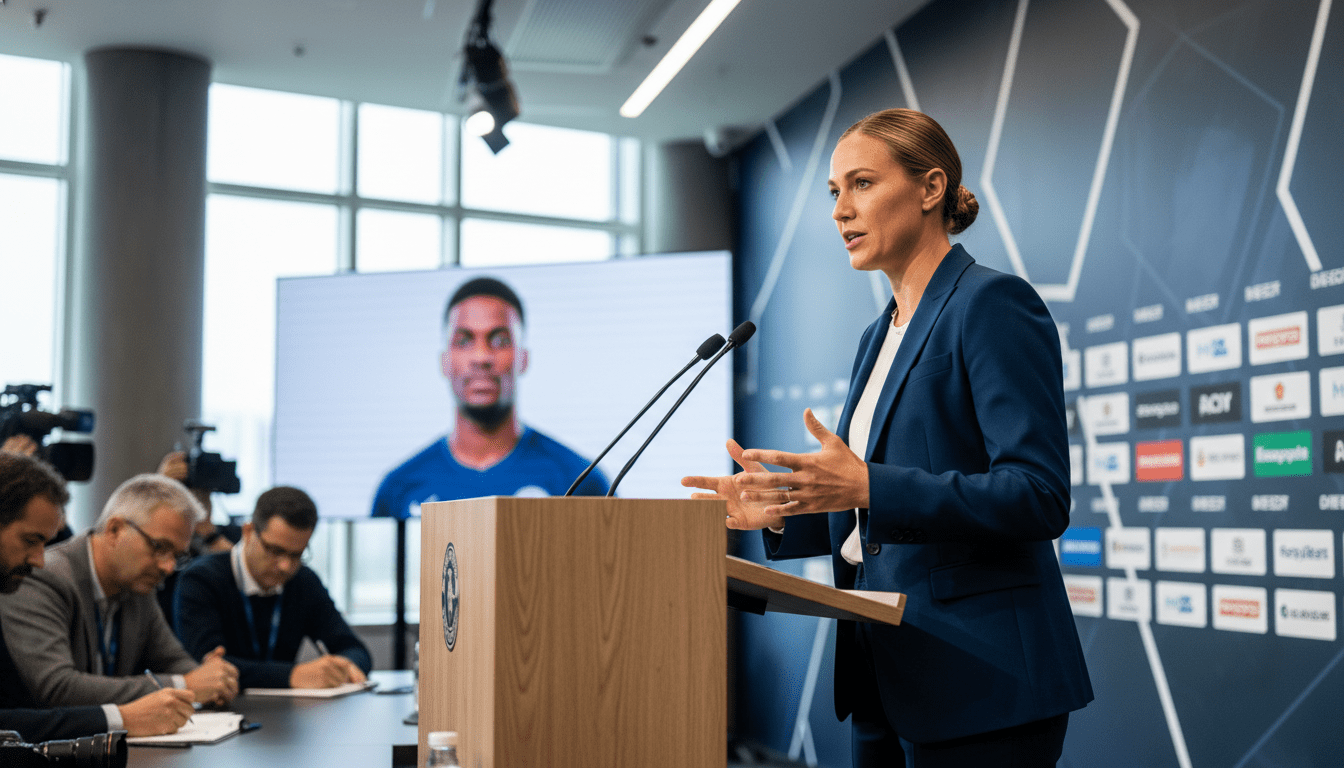
Sexism in football: Fortuna Köln captain Robin Afamefuna warns of locker-room attitudes and questions Kompany’s rhetoric
Fortuna Köln captain Robin Afamefuna, who researches sexism in football, criticizes pervasive locker-room attitudes toward women and says Kompany’s anti-racism speech did not convince him.
Robin Afamefuna, the captain who led Fortuna Köln to promotion last season, has begun using his platform to spotlight sexism in football. Afamefuna combines on-field leadership with academic inquiry, arguing that casual misogyny in changing rooms and public discourse undermines efforts to make the sport inclusive. His comments followed a recent incident involving the treatment of Union’s female coach, and he also expressed disappointment with an anti-racism speech by Vincent Kompany.
Fortuna Köln captain combines playing and research
Robin Afamefuna rose to prominence after captaining Fortuna Köln through a successful campaign that culminated in promotion to the third division. Off the pitch, he has engaged in research into gender bias and everyday sexism within football culture. His dual role as player and investigator gives him a unique vantage point to describe how informal team dynamics intersect with wider social attitudes.
Afamefuna says his work is informed by direct observation as well as conversations across clubs and levels of the game. He frames his research as practical rather than academic theatre, aimed at changing interactions that many accept as normal. That credibility has led journalists and clubs to seek his perspective on recent controversies.
Criticism over treatment of Union coach Eta
Afamefuna publicly criticized the way Union’s female coach, referred to in his remarks as Eta, was treated in a recent episode that drew attention across the league. He said the episode revealed broader patterns of dismissive language and behavior toward women who enter traditionally male roles in the sport. For Afamefuna, the incident was not isolated but symptomatic of a culture that trivializes female leadership.
He emphasized that locker-room talk often normalizes sexist assumptions, which then filter into decisions and attitudes off the pitch. Afamefuna called for clubs to confront such patterns directly rather than minimize them as harmless banter. He urged teams to establish clearer expectations for respect, especially when interacting with female colleagues and opponents.
Locker-room language and everyday sexism
According to Afamefuna, much of the problem lies in informal conversations that go unchecked by senior staff and institutions. He described situations where jokes or dismissive comments about women are repeated until they become accepted shorthand among players. That normalization, he argues, creates an environment where female coaches and staff receive less authority and more scrutiny.
Addressing language norms, Afamefuna suggested education and proactive leadership as first steps. Training that targets everyday interactions, he said, is as important as public statements or disciplinary measures. The goal, in his view, is to shift the baseline of acceptable behavior so that respect is built into routine club life.
Response to Kompany’s anti-racism speech
Afamefuna also weighed in on a recent anti-racism speech by Vincent Kompany, expressing skepticism about its practical impact. While acknowledging the symbolic value of high-profile declarations, he argued that rhetoric must be matched by structural changes within clubs and leagues. For him, speeches alone do not alter patterns of discrimination that are embedded in recruitment, coaching opportunities, or daily treatment of players and staff.
He encouraged club leaders to couple public statements with measurable actions, such as transparent hiring practices and support systems for marginalized staff. Afamefuna said accountability mechanisms and follow-up reporting are essential to ensure commitments do not remain rhetorical. Without that follow-through, he warned, public speeches risk becoming performative gestures.
Practical recommendations from a player-researcher
Drawing on his research, Afamefuna outlined several concrete measures clubs can adopt to combat sexism in football. He recommended mandatory workshops on bias for players and staff, clearer codes of conduct, and confidential reporting channels for incidents involving discriminatory behavior. He also suggested monitoring progress through independent audits and annual reviews.
Visibility and representation were additional priorities in his proposals, with Afamefuna urging clubs to create pathways for women in coaching, scouting, and executive roles. He believes that increasing the presence of women at decision-making levels helps disrupt ingrained stereotypes and changes the expectations of younger players. Small policy changes, he argued, can have outsized cultural effects when consistently applied.
Implications for German football governance
Afamefuna’s intervention places pressure on governing bodies and clubs to translate awareness into policy. League administrators face growing calls to standardize prevention measures and to support member clubs in implementing best practices. For sponsors and fans, the debate raises questions about the responsibilities of organizations that benefit from football’s cultural reach.
Observers say the sport is at a juncture where individual voices like Afamefuna’s can accelerate reform if they are matched by institutional will. His combination of leadership on the pitch and attention to research-driven solutions offers a blueprint for players who wish to engage on social issues. The coming months will test whether clubs adopt the practical steps he recommends or allow longstanding habits to persist.
Afamefuna’s critique and proposals underscore a broader conversation about how football addresses inequality, ranging from locker-room comments to leadership representation. His stance illustrates the growing expectation that the sport confront entrenched biases not only with words but with verifiable action.
