
World Cup Host Cities at Night Reveal Uneven Safety, Heat and Transport Shifts
Dispatches from World Cup host cities at night reveal uneven safety, heat-driven car culture and transport changes that reshape the fan experience and urban landscape.
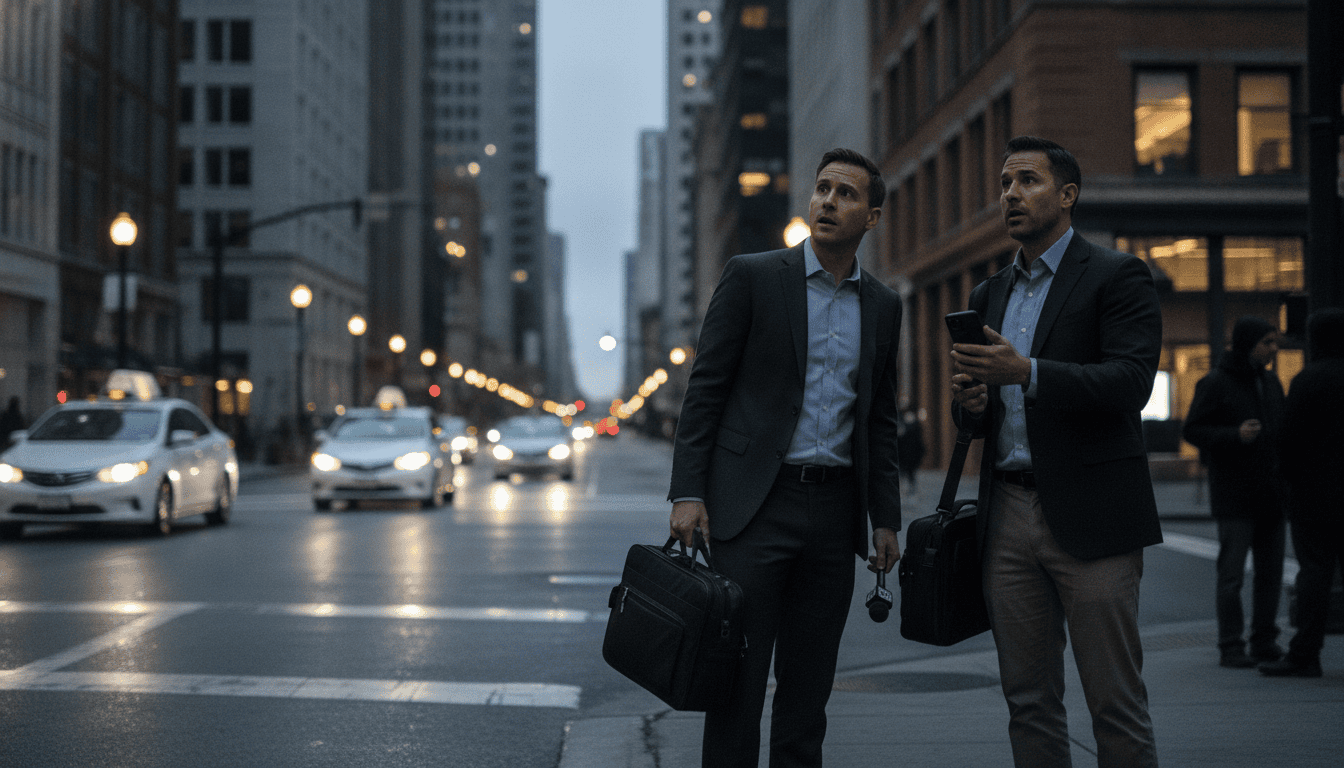
The nightly movement of fans between stadiums and downtowns has cast a spotlight on World Cup host cities at night, where official shuttles, empty commercial blocks and intense heat combine to shape safety perceptions. Reporters traveling between matches in Dallas, Atlanta and New York found that the same shuttle systems that deliver crowds to city centers after games also leave them walking through parts of downtown when matches end. Those walks and the scenes they encounter — boarded facades, dark parkades and humid streets — are changing how visitors and residents judge nightlife safety.
Stadium Shuttles Drop Fans into Downtowns
FIFA-organized shuttles and team buses routinely unload supporters in central districts once matches conclude, placing thousands into downtown streets late at night. The concentration of people in these hubs means fans often must rely on short walks or local transit to reach hotels and restaurants after events end. That pattern exposes gaps in lighting, policing and basic amenities in areas where daily daytime activity can look very different.
Boarded Buildings and Empty Parkades Caught Observers’ Eyes
Reporters noted an odd rhythm in some downtown blocks where modern glass office buildings sit beside structures with missing window panes and gaping openings. Behind those open facades, multi-level parkades stand empty at night while the neighboring towers shelter offices and businesses, creating stark visual contrasts that amplify unease. The sight of hollowed parking structures and dark building fronts contributes more to visitors’ discomfort than formal crime statistics; physical decay and poor lighting signal vulnerability even when streets are otherwise calm.
Heat and Humidity Reinforce Car Dependency
High temperatures and sudden humidity spikes have a practical effect on how people move through host cities after games, driving short trips into taxi rides rather than walks. Residents and visitors alike opt for vehicles to avoid exposure, which in turn increases traffic and reinforces a cycle of congestion and heat retention in urban cores. Simple errands that might be two or three blocks in comfortable weather can end in a flagged taxi when the combination of sweat, sun and shade‑poor streets becomes unbearable.
Quiet Streets and a Shift to Electric Taxis in New York
In New York City, observers reported a noticeable drop in traditional taxi noise, with the iconic yellow Crown Victorias largely overhauled by a fleet of electric Toyota SUVs and hybrid sedans. The change has muted the soundtrack of the streets and, in some neighborhoods, made the night feel calmer compared with past visits. At the same time, the growth of e-bikes and protected bike lanes has altered traffic dynamics at intersections, creating new rhythms that even high-profile visitors would have to navigate differently than in decades past.
Cycling Infrastructure Gains Visibility Compared with German Cities
On several Manhattan routes reporters found cycling to be efficient and, in places, safer than walking, an experience they compared favorably to German cities such as Berlin, Magdeburg and Passau. Protected lanes and a visible network of cyclists make urban movement possible without relying on cars, particularly during daylight and early evening hours. That contrast highlights how investment in active transport and infrastructure can change perceptions of mobility and reduce the number of short taxi trips that otherwise crowd downtown streets at night.
Practical Steps for Nighttime Visitors and Fans
Visitors leaving stadium areas after matches can reduce friction and perceived risk by planning a few basic steps in advance, such as carrying water, checking shuttle drop-off points and choosing well-lit, populated routes. Official shuttles are a convenient option but may deposit travelers in commercial zones with limited services after hours, so identifying alternative pick-up points or rideshare options can help. Staying aware of local weather, packing light layers for sudden humidity changes and using city-supported bike or scooter services where available will make short transfers smoother and safer.
As the World Cup unfolds across American cities, the night-time scenes that accompany match travel underscore a broader urban story: how climate, transport policy and the condition of built environments combine to shape safety impressions. For teams, fans and host cities alike, addressing lighting, active transport and the maintenance of downtown spaces will be as important to the post-match experience as the games themselves.
