
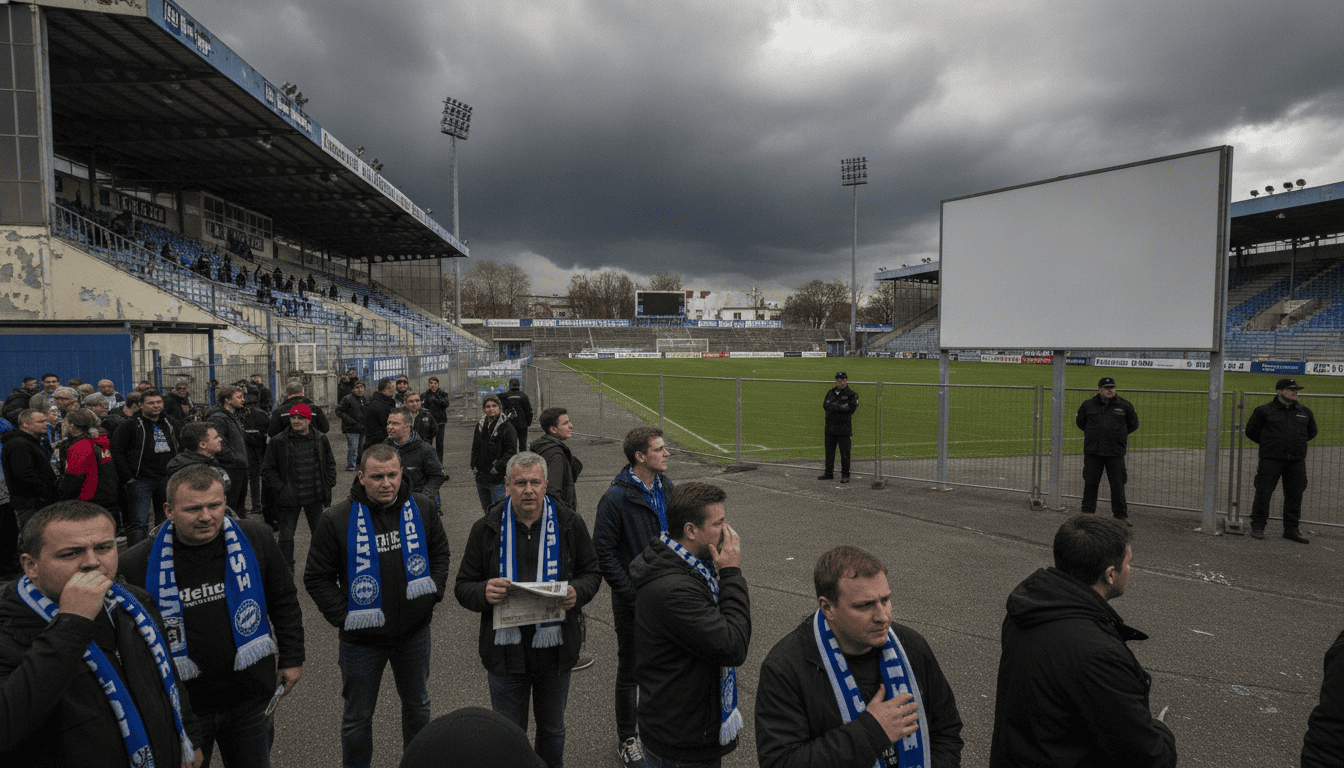
TSV 1860 Munich collapse fears grow after Bild headline sparks scrutiny
Reports raise concerns of a TSV 1860 Munich collapse after Bild’s headline; club leadership, supporters and finances face scrutiny as questions mount.
Days of intense debate in Giesing have centered on whether a TSV 1860 Munich collapse is imminent, after the tabloid Bild asked over the weekend if the club faces a “Kollaps” and later amplified the language to suggest a “complete collapse.” The question has sharpened focus on the club’s governance, finances and sporting prospects, prompting commentary from local media and supporters alike. Coverage in the BerlinHerald and other outlets amplified the discussion, turning a journalistic query into a public test of the club’s stability.
Bild headline intensifies public debate
Bild’s weekend coverage framed the situation in stark terms, asking if the club — long a symbol of Munich’s working-class football tradition — could face existential trouble. The escalation from a question to the phrase “complete collapse” drew immediate pushback from some observers who argued the term is sensationalist and imprecise.
Local and national outlets picked up the framing, ensuring the issue would not remain confined to sports pages but enter broader discussions about club management and the future of community-rooted football in Germany. The media attention has increased scrutiny on decisions made by the club’s leadership in recent months.
Boardroom pressure and leadership questions
Club officials have been placed under renewed pressure to explain strategic choices and the club’s long-term plan for sustainability. Questions focus on how recent sporting results, operational costs and any short-term liabilities are being managed to avoid destabilizing consequences.
Independent observers and some former club figures have urged transparency, saying that clear communication about finances and plans would calm supporters and potential investors. The debate has highlighted the tension between maintaining sporting competitiveness and ensuring financial prudence.
Financial signals and sources of uncertainty
Reports cited by commentators point to a mix of revenue shortfalls and rising costs that can strain clubs outside the top tiers of European football. For a team like 1860 Munich, reliant on matchday income, sponsorship and player trading, gaps in any of these areas can quickly create pressure.
Analysts caution that while media rhetoric about a “collapse” is dramatic, the more relevant question is whether the club faces solvency risks that would trigger insolvency proceedings or force emergency measures. The difference between operational strain and a legal insolvency event is central to assessing the real danger.
Sporting consequences and squad morale
On the pitch, uncertainty off it often translates into unsettled performance, with players and staff affected by distractions and speculation. 1860 Munich’s results and squad cohesion will be watched closely in the coming weeks as barometers of internal stability.
Coaches and sporting directors typically seek to insulate the team from boardroom turbulence, but persistent financial questions can constrain transfer plans and contract negotiations. That in turn may limit the club’s ability to respond competitively if problems intensify.
Supporter reaction and atmosphere in Giesing
Fans in Giesing have reacted with a mix of concern and mobilization, reflecting deep-rooted ties between the club and the local community. Meetings among supporter groups, social media exchanges and matchday conversations have all reflected unease about the club’s direction.
At the same time, long-standing loyalty to the club appears to be galvanizing calls for unity, with some fan organizations proposing increased oversight and proposals for fundraising or community-led solutions. Supporter activism could become a decisive factor in shaping the club’s next steps.
Possible scenarios and short-term timeline
Analysts outline several plausible paths: a rapid financial remedy through new investment or emergency loans, structural reorganization of operations, or in the worst case, formal insolvency procedures that would carry sporting and legal consequences. Each path involves different timelines, from weeks for bridge financing to months if legal restructuring is required.
Club stakeholders — including the board, potential investors, league authorities and supporter groups — will be central to determining which scenario unfolds. The coming days and weeks are likely to see intensified negotiations and clarifications aimed at averting the more severe outcomes suggested by sensational headlines.
The Bild-driven debate over a TSV 1860 Munich collapse has crystallized longstanding tensions about governance, finances and community identity at the club. While dramatic language has heightened public attention, the fundamental questions are concrete: how the club will shore up its finances, reassure players and fans, and secure a sustainable path forward. The responses from leadership, potential backers and supporter initiatives in the short term will determine whether the issue fades as a media episode or becomes a turning point for the club’s future.
