
Bayern Munich rejects sales of Olise, Díaz and Kane as Hoeneß vows squad stability
Bayern Munich honorary president Uli Hoeneß firmly rejected speculation that Michael Olise, Luis Díaz or Harry Kane could be sold, saying the club will prioritize contract talks and squad stability.
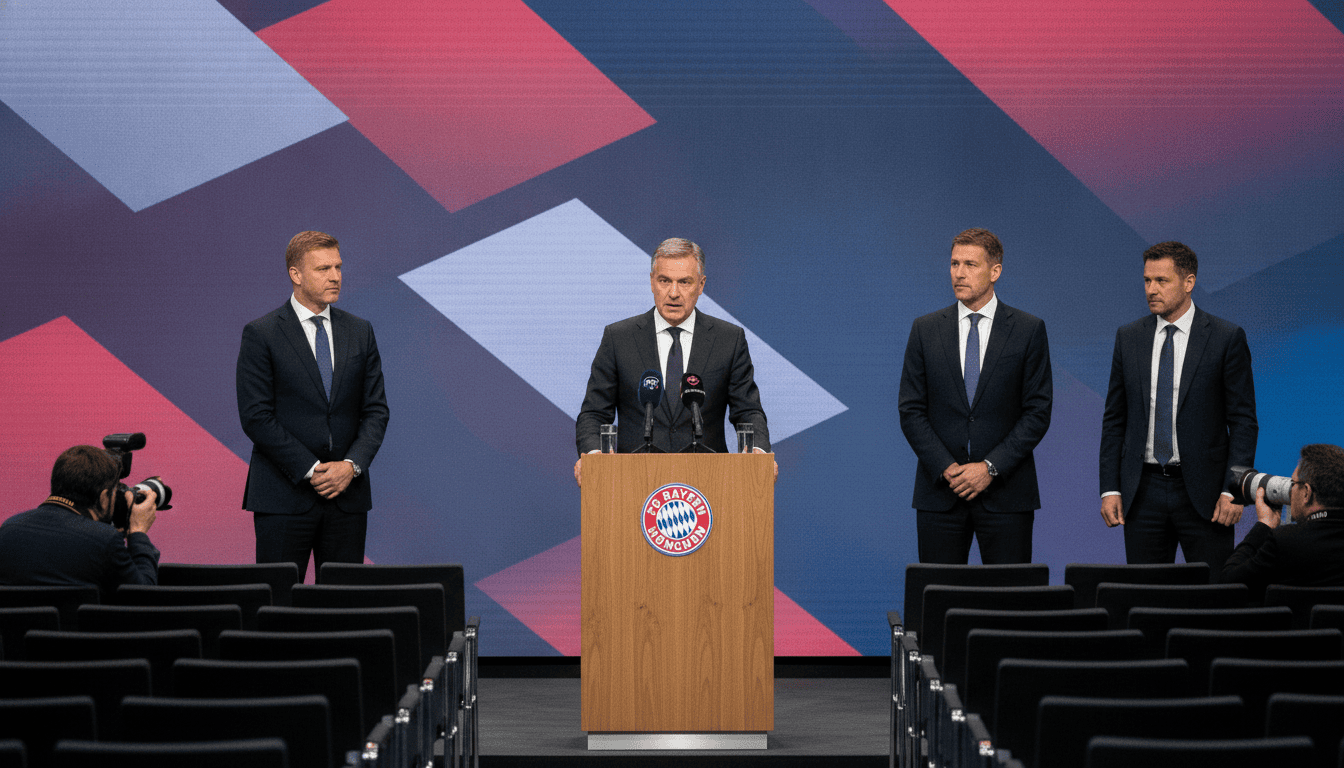
Uli Hoeneß used blunt language in Rottach‑Egern to dismiss recent transfer rumours linking Bayern Munich stars Michael Olise, Luis Díaz and Harry Kane to other clubs. He said the club would not entertain offers that undermine its sporting plans and noted that major incoming bids would not change the club’s position given contract lengths and the trio’s importance. Hoeneß framed the decision as a strategic choice to preserve a core attacking group rather than chase short‑term market gains.
Hoeneß addresses transfer rumours in Rottach‑Egern
Hoeneß told reporters he found the persistent links to potential buyers, including European heavyweights, laughable and not grounded in Bayern’s intentions. He pointed to the remaining duration of key contracts as a reason the club would not sell at the kind of prices being discussed. The honorary president emphasized that Bayern is prepared to resist high offers because the club values stability and on‑field continuity more than opportunistic profits.
Assessment of the trio’s value to Bayern
Bayern view Michael Olise, Luis Díaz and Harry Kane as a foundational attacking unit whose combined contributions outweigh single transfer windfalls. Hoeneß described the three as among the best combinations available to any club and argued that breaking up that group would risk creating gaps that are hard to fill. The club’s leadership appears convinced the on‑field chemistry and individual profiles of those players deliver a competitive edge that justifies long‑term retention.
Kane contract situation and extension prospects
Harry Kane’s contract runs through 2027, and Bayern officials are reported to be pursuing an extension to secure his services beyond that date. Hoeneß said he had not spoken to Kane directly in public remarks but indicated there were no known reasons why the England captain would leave next year, noting the player’s stated comfort in Munich. Bayern’s approach combines reassurance to the squad with private negotiations aimed at aligning player and club timelines.
Market interest and financial rationale against selling
Hoeneß underlined a financial calculus that makes selling top players unattractive: recouping fees now could leave Bayern chasing replacements at equal or greater cost. He argued that spending to replace a sold star frequently yields uncertain returns and can leave clubs reacting to rivals’ moves rather than setting their own direction. That reasoning reflects a broader trend among elite clubs that prioritize sustained competitiveness and carefully weigh the long‑term sporting value of high‑profile players against immediate transfer income.
Absences from training camp and squad continuity
Both Kane and Olise were not present at the start of Bayern’s training camp, having taken extended breaks after the World Cup, while the squad continued preparations under the club’s coaching staff. Hoeneß acknowledged their absence but framed it as routine post‑tournament rest, noting that the wider team remains focused on pre‑season work. Bayern’s planning assumes short‑term gaps tied to international calendars without altering the club’s stance on player retention or contract planning.
Bayern’s public rejection of sale speculation places the club on a clear path toward protecting its core attacking group and pursuing contract stability, even as market interest remains inevitable. The message from the club’s leadership is that sporting continuity and carefully managed contract talks will guide decisions, with any potential moves subordinated to long‑term competitive aims.
