
Reçak massacre trial opens in Prishtinë against 21 former Serbian officials
Trial in Prishtinë begins against 21 former Serbian officials accused over the Reçak massacre; prosecutors say 42 civilians were executed in January 1999.
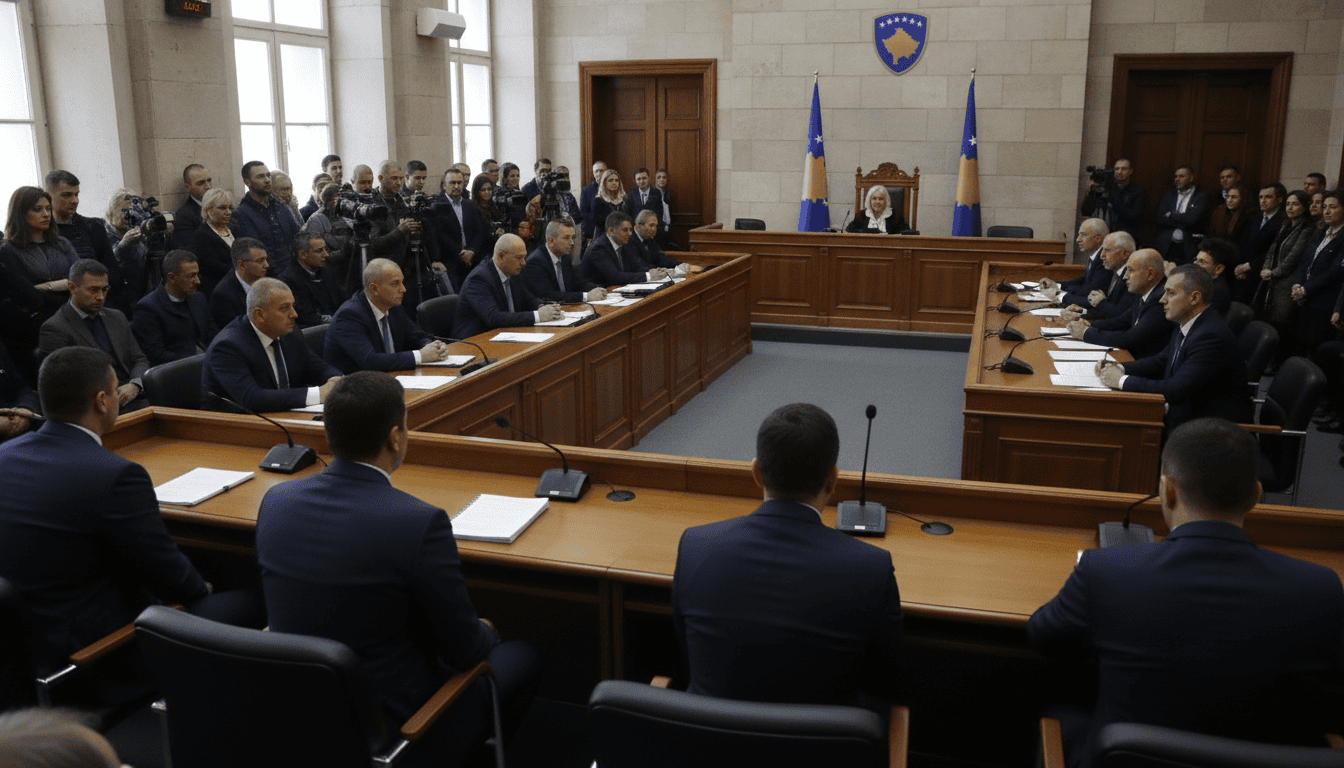
The trial over the Reçak massacre opened in Prishtinë on Friday with proceedings initiated against 21 former Serbian officials accused of war crimes dating to January 1999. Prosecutors allege murder, torture, inhuman treatment and the forced expulsion of civilians to Albania, and say 42 unarmed villagers were shot at close range in the attack. None of the accused attended the first hearing, which the presiding judge allowed to proceed in their absence.
Proceedings opened in absence of defendants
The presiding judge, Violeta Namani Hajra, told the court the case would be formally opened even though none of the 21 men were present in the dock. Defense counsel representing the accused were appointed by the local bar association to ensure the defendants have legal representation in court. Court officials said international arrest warrants have been issued for the men, underscoring the cross-border complexity of the case.
The decision to proceed without the defendants reflects long-standing procedural rules in Kosovo’s justice system and follows prosecutors’ assertion that the accused have not cooperated with summonses. Observers in Prishtinë noted the hearing was orderly, with prosecutors outlining the structure of the indictment and the schedule for further submissions.
Key defendants named by prosecutors
Prosecutors singled out several high-ranking former Serbian officials among the accused, including Obrad Stevanović, who served as Serbia’s police chief, Radomir Marković, the former head of the state security service, and Goran Radosavljević, a police general associated with special operations. The indictment alleges the men were involved in planning or executing the operation against the village of Reçak (Reçak/Reçakë).
Legal filings say the chain of command and coordination between security services will be central issues at trial, with prosecutors seeking to show that the killings were not isolated acts but part of an organized campaign. Defense teams are expected to challenge both the factual findings and the legal characterisation of the events as war crimes.
Prosecutors describe January 1999 killings as planned executions
According to the indictment, Serbian forces shelled Reçak in January 1999 before conducting house-to-house searches and then executing 42 civilians at close range. Prosecutors characterize those deaths as deliberate, planned and systematic executions, alleging the attack targeted unarmed non-combatants and amounted to grave breaches of international humanitarian law.
The Organisation for Security and Co-operation in Europe (OSCE) is cited in the indictment as having identified the victims as civilians at the time, a finding that contributed to international outrage 27 years ago. Prosecutors say forensic evidence and witness accounts will be presented to link the accused to the operation’s planning and execution.
Belgrade rejects massacre finding and political reactions
Serbia has long rejected characterizations of Reçak as a massacre, and President Aleksandar Vučić has repeatedly described the dead as fighters of the Kosovo Liberation Army (UÇK). That dispute over facts has remained a central element in the bilateral and regional politics surrounding Kosovo’s path to independence.
The 1999 events in Reçak helped catalyze international response at the time, contributing to NATO’s decision to launch airstrikes against Serbian forces. After the withdrawal of Serbian troops, an international peace force was deployed to Kosovo; those developments have been part of the enduring diplomatic tensions between Pristina and Belgrade.
Related arrests and broader legal context
Kosovan authorities said in June that five additional Kosovo Serbs were detained in connection with the Reçak killings and will face separate proceedings, indicating the case will involve multiple parallel investigations and trials. The ongoing legal actions form part of a wider effort to address wartime abuses committed during the 1998–1999 conflict.
The Kosovo war resulted in more than 13,000 deaths, the majority of whom were Kosovo Albanians, according to widely cited estimates. Kosovo declared independence in 2008; Belgrade continues to reject that declaration and does not recognise Kosovo as a sovereign state, complicating extradition and co-operation on war crimes prosecutions.
The opening of the Reçak massacre trial in Prishtinë marks a significant step in long-running efforts to secure accountability for one of the conflict’s most controversial incidents, and it is likely to attract close regional and international attention as proceedings continue.
