
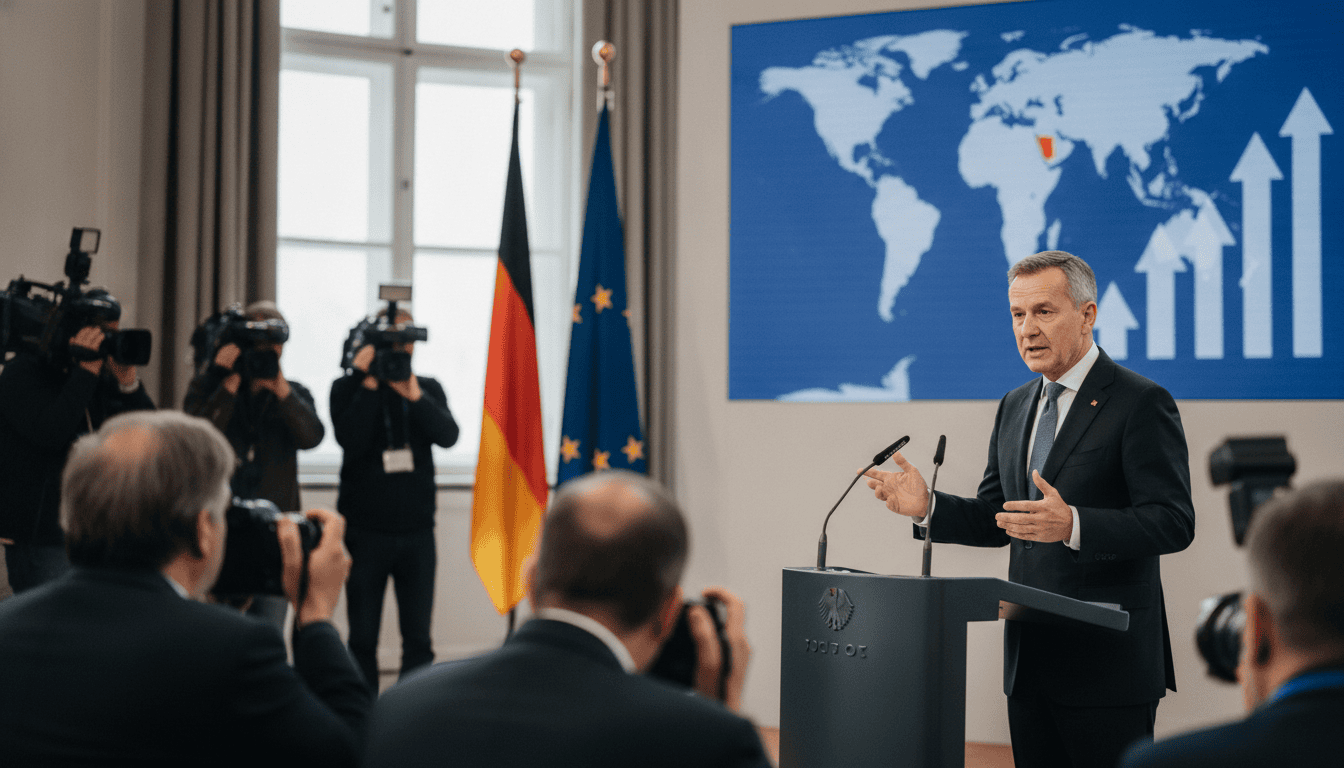
Wadephul Calls for Accelerated Shift to Renewable Energy After Strait of Hormuz Blockade
Wadephul urges faster shift to renewable energy after Strait of Hormuz blockade; rejects new fuel rebates and warns against weakening climate targets.
Germany’s foreign minister Johann Wadephul on Friday pressed for a faster transition to renewable energy, saying the recent blockade of the Strait of Hormuz highlighted the strategic risks of continued dependence on fossil fuels. Speaking in an interview with RedaktionsNetzwerk Deutschland (RND), Wadephul framed the move to renewables as both a climate and security imperative and called for policy steps to reduce economic and geopolitical vulnerability. His remarks also included clear opposition to new consumer fuel relief measures, arguing such short-term fixes would not solve rising price pressures caused by global conflicts.
Foreign Minister Urges Faster Transition to Renewable Energy
Wadephul told RND that the Strait of Hormuz blockade had been a “wake-up call” and must accelerate Germany’s shift to renewable energy to reduce reliance on volatile fossil fuel supplies. He said the climate case for renewables already existed, but that recent security events added a further economic and strategic rationale for more rapid deployment. The minister emphasized that energy independence through renewables would strengthen Germany’s resilience against supply shocks and geopolitical coercion.
Security and Economic Risks Cited After Strait of Hormuz Disruption
Officials and analysts point to sharp increases in oil and gas prices following the disruption in the Gulf shipping lane as evidence of the broader risks to national economies. Wadephul argued these price swings show how closely security events translate into domestic economic pain, stressing that diversification of energy sources is a practical tool to insulate consumers and businesses. He framed the strategy as prevention: greater renewable capacity and alternative supply chains would blunt the impact of future regional conflicts on European markets.
Wadephul Rejects New Fuel Rebates as Unsustainable
At the same time, Wadephul rejected proposals for renewed consumer relief such as a fuel discount or “tank rebate,” calling such measures temporary and fiscally onerous. He told RND that while citizens face real price pressures, blanket subsidies would neither address the root causes nor remain sustainable under prolonged market strain. The minister said political honesty requires acknowledging that major conflicts like those in Ukraine and the Gulf often push energy and consumer prices higher, and that policy should focus on durable resilience rather than episodic relief.
ECB and Policy Voices Repeat Call for Renewable Expansion
The push for renewables is echoed by European policy makers, including European Central Bank President Christine Lagarde, who has urged faster deployment of clean energy technologies to shield economies from fossil-fuel volatility. Wadephul referenced such warnings as reinforcing the economic logic for investment in wind, solar and grid infrastructure. He also suggested that monetary and industrial policy debates need to be coordinated with energy strategy to ensure a stable transition without triggering undue inflationary pressures.
Industry, Unions and CDU Mittelstand Seek Delay to Climate Targets
Despite these security and economic arguments, powerful domestic stakeholders have pushed back, calling for a delay in Germany’s climate neutrality timetable by five years. Representatives from industry groups, some unions and the CDU Mittelstandsvereinigung have argued that a postponed target would ease pressure on manufacturers and preserve competitiveness during a period of high energy costs. Wadephul’s remarks set him at odds with that position, underlining his view that retreating on decarbonization deadlines risks deepening long-term dependency on unstable fossil markets.
EU Emissions Trading Proposal Faces Criticism Amid Push-Pull
The European Commission has, under pressure from member states and business, floated adjustments to the EU’s emissions trading framework that critics say would soften its climate signal. Wadephul did not detail specific Commission measures in the interview but warned against weakening mechanisms that drive investment toward low-carbon alternatives. Analysts say diluting the EU carbon market could lower the incentive to scale renewables and delay technology deployment, compounding the strategic vulnerabilities Wadephul highlighted.
The dialogue between security concerns and industrial lobbying is now shaping legislative and investment choices across Berlin and Brussels, with policymakers balancing short-term competitiveness against long-term resilience. Wadephul’s intervention injects a security-focused argument into that debate, reframing renewable energy not only as a climate priority but as a component of national and economic security. As negotiations continue within government circles and at EU level, the outcome will determine whether Germany accelerates renewable buildout or adopts more gradual, industry-friendly adjustments to its decarbonization pathway.
