
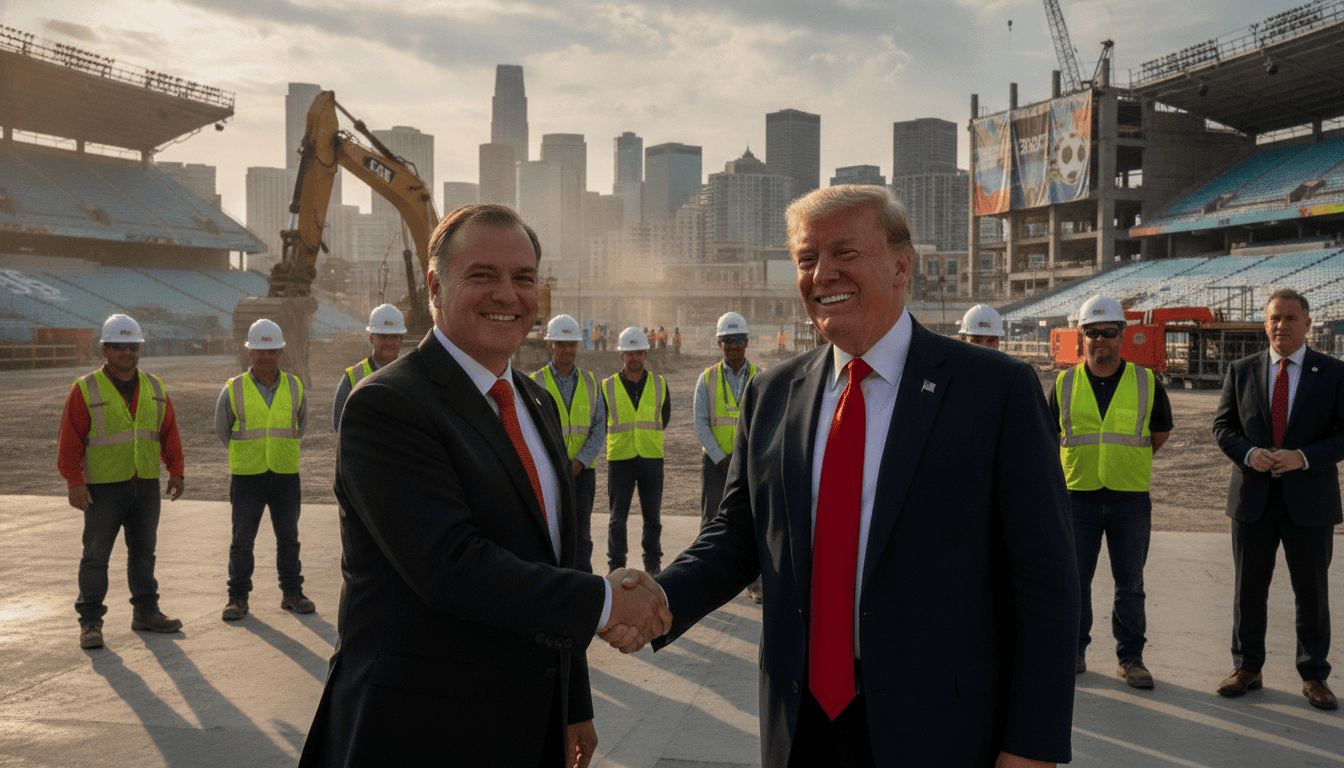
Gianni Infantino at the center of 2026 World Cup controversy as Trump call, ICE actions and commercial changes spark questions about fairness
Gianni Infantino faces growing scrutiny after high-profile appearances and reports that a call from former U.S. President Donald Trump influenced a disciplinary decision at the 2026 World Cup. The dispute over Folarin Balogun’s eligibility has become emblematic of wider concerns about tournament integrity and governance. Against the backdrop of ICE operations, altered match formats and prominent sponsor influence, critics say the sport’s independence is at risk.
Infantino’s Dallas photo opportunity and reputation costs
FIFA President Gianni Infantino staged a widely shared photo op during a semifinal weekend that showcased retired stars and glittering pageantry. The images, amplified on social channels, were intended to project normalcy and celebration at the tournament’s biggest moments. Yet critics argue the spectacle has increasingly masked substantive governance and ethical questions about how decisions have been made.
Allegations of political intervention in Balogun’s case
Reports that Donald Trump personally urged FIFA to lift Folarin Balogun’s suspension before an American knockout match ignited accusations of undue influence. Players and team staff reportedly felt heightened nervousness after the intervention became public, and the episode fed conspiratorial narratives online. Whether the call changed the course of disciplinary action has not been definitively answered, but the perception of impropriety has left a lasting impression.
Immigration enforcement and the tournament’s uneven conditions
The tournament unfolded while U.S. Immigration and Customs Enforcement (ICE) conducted arrests, and in separate incidents detainee deaths were reported, casting a humanitarian shadow over the event. Visa and entry decisions also affected match officials, with at least one highly regarded African referee prevented from arriving, raising questions about equal treatment. Those developments have prompted athletes and observers to say the World Cup did not occur on a truly level playing field.
Commercial changes reshaping the matchday experience
Organizers introduced commercial-driven modifications, most visibly a move to four-quarter match segments with extended sponsored breaks that disrupted traditional flow. Broadcasters and corporate partners welcomed additional advertisement windows, but some coaches, players and fans criticized the effect on tactics and match rhythm. The extended halftime planned for the final to accommodate a show and sponsorship commitments highlighted how commercial priorities are increasingly shaping the contest itself.
Sponsorship concentration and ethical implications
Major sponsors with contested environmental or political records played highly visible roles in tournament promotion and revenue streams. Critics pointed to the dominance of energy conglomerates and the continued prominence of state-linked carriers as evidence that commercial expediency has outpaced ethical scrutiny. Observers say those financial ties complicate efforts to hold governing bodies accountable and to align tournament practices with broader public expectations on climate and human rights.
Power networks and the path ahead for FIFA leadership
Infantino’s close ties with influential political figures and regional leaders have fueled debate over whether FIFA under his stewardship has prioritized expansion and revenue over impartial stewardship of the game. Plans for an expanded 2030 and potential 2034 tournament rotation reinforce the organization’s strategic emphasis on growth, while dissenting voices inside European federations and individual members express unease. With a FIFA Congress and leadership votes on the horizon, the organization’s internal dynamics will determine whether current practices face meaningful challenge.
The accumulation of these controversies has translated into broader public distrust that extends beyond single incidents to questions about how the sport is governed. For many critics the central worry is less a solitary disciplinary ruling than the signal it sends: that on-field outcomes and tournament rules might be amenable to pressure from powerful actors. If confidence in FIFA’s impartiality continues to erode, proposals for oversight, independent review or structural reform are likely to gain renewed traction in the months ahead.
