
FIFA World Cup 2026: Schedule, venues and Germany’s early exit in North America
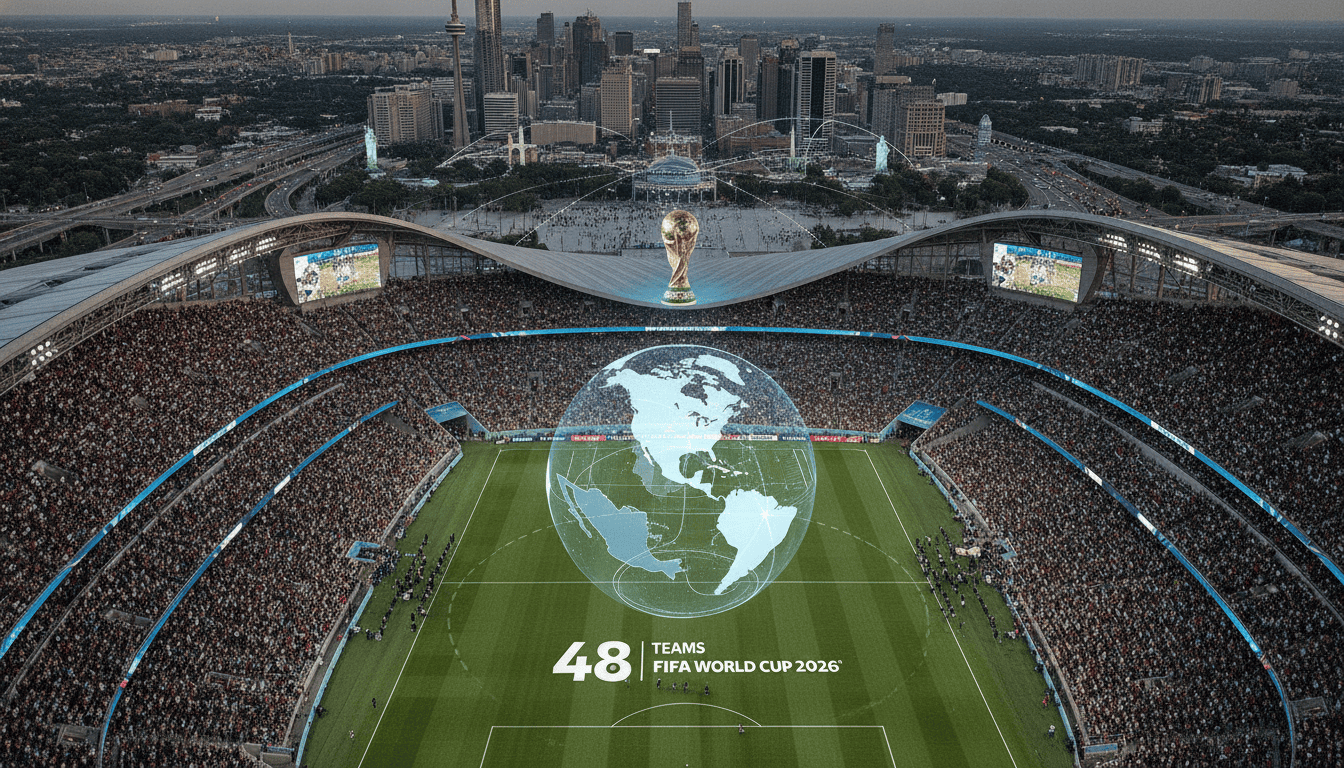
FIFA World Cup 2026 ends in North America with 48 teams, 104 matches and 16 stadia. Schedule, match outcomes, Germany’s run and broadcast details in overview.
The FIFA World Cup 2026, staged across the United States, Mexico and Canada from June 11 to July 19, has delivered the largest tournament in modern history and a packed slate of results. The expanded 48-team format produced 104 games played at 16 venues, with time differences requiring broadcasters to adjust kickoff times for European audiences. The competition now moves to its final stages, culminating in a New York final scheduled for July 19 between Spain and Argentina.
Hosts and match timetable
The tournament took place across three countries and 16 stadiums, a first for the World Cup’s history of single- or dual-nation hosts. Eleven venues were located in the United States, three in Mexico and two in Canada, spreading fixtures across multiple time zones and climates.
Organizers scheduled matches with Central European Summer Time in mind, meaning most kickoffs fell six to nine hours ahead or behind local start times. This arrangement shaped viewership patterns in Europe and created a compact daily schedule for fans and broadcasters.
New format and progression rules
The 2026 World Cup used a 48-team group stage divided into 12 groups of four, with the top two teams in each group advancing automatically. In addition, the eight best third-placed teams progressed to a newly introduced round of 32, effectively a “sixteenth-final” stage.
Tie-breaking rules followed standard FIFA practice: goal difference, goals scored and head-to-head results were applied in sequence. Should those metrics fail to separate teams, fair-play points and other administrative measures were used to decide progression.
Stadiums and logistical challenges
Major venues included Mexico City’s Azteca, Dallas’s massive stadium in Arlington and the New York–New Jersey complex in East Rutherford, which hosted several high-profile knockout matches. Canadian stadia in Toronto and Vancouver provided northern venues that helped stagger the schedule across the continent.
Climatic variation and local conditions influenced match planning, with heat and wildfire smoke becoming factors at times. Organizers had to coordinate local authorities, transport and stadium operations to accommodate large crowds across distant host cities.
Knockout stage highlights and remaining fixtures
The knockout phase produced several dramatic outcomes, including penalty shoot-outs and extra-time victories. Notable results saw France and England progress to late-stage matches, setting up a third-place fixture in Miami on July 18, while Spain and Argentina advanced to the tournament final scheduled in New York on July 19.
The bracket featured surprise wins and tight contests across venues in the United States and Mexico. Several traditional powers reached the latter rounds, but the expanded format also allowed less-fancied teams to make deeper runs than in previous editions.
Germany’s campaign and elimination
Germany were drawn into Group E alongside Curaçao, Ivory Coast and Ecuador and opened the tournament with a resounding 7-1 victory over Curaçao in Houston. Kai Havertz scored twice in that match and Deniz Undav made a strong impact off the bench, contributing to the team’s initial momentum.
Subsequent fixtures were more challenging: Germany edged the Ivory Coast 2-1 in Toronto but lost to Ecuador 2-1 in New York, finishing the group stage with mixed form. The DFB side then met Paraguay in the round of 32 in Boston, where a 1-1 draw led to a penalty shoot-out that Germany lost 4-5 — marking their first World Cup elimination via penalties and bringing a premature end to Julian Nagelsmann’s squad.
Broadcasting rights and viewing options
Television coverage in Germany and much of Europe combined public and pay offerings. Public broadcasters carried a substantial portion of the schedule, while the commercial platform secured rights to stream all fixtures behind a subscription. Live streams through official apps and networks provided alternate viewing options, accommodating the tournament’s heavy daily slate.
Broadcasters had to balance prime-time windows across markets, often shifting matches to suit regional audiences and negotiating rights for group and knockout fixtures. The mix of free-to-air and pay options influenced ratings and the commercial footprint of the event.
The 2026 World Cup’s scale — 48 teams, 104 games and multiple host nations — has reshaped international tournament logistics and broadcast planning, leaving organizers and national federations to assess lessons on scheduling, venue readiness and team preparation ahead of future editions.
