
Morocco World Cup squad faces turmoil and fresh talent ahead of 2026 opener
Morocco World Cup squad enters the tournament under a cloud of controversy, managerial change and new young talent as they prepare to face Brazil in Group C. The Atlas Lions arrive with momentum from a historic 2022 run but must manage fallout from an incendiary AFCON final and a late coaching switch. Expectations remain high for stars such as Brahim Diaz and Achraf Hakimi, even as the squad balances experience and youth for the World Cup challenge.
AFCON final fallout
The Morocco World Cup squad is still carrying the political and emotional consequences of January’s Africa Cup of Nations final in Rabat. A contentious stoppage-time penalty awarded to Morocco led to Senegal walking off the pitch and scenes of crowd unrest that resulted in arrests and later rulings from CAF that altered the tournament’s outcome.
CAF subsequently awarded Morocco the title after concluding Senegal forfeited the match, a decision that prompted an appeal to the Court of Arbitration for Sport and left simmering tensions between federations. That unresolved legal and diplomatic dispute has created a distracting backdrop for preparations in the months before the World Cup.
Coaching change days after AFCON
Walid Regragui, the architect of Morocco’s memorable 2022 semifinal run, left his post in March amid reported disagreements with the federation over direction and the handling of the AFCON defeat. His departure came less than three months before kick-off and forced a quick succession decision at the helm of a team with deep tournament ambitions.
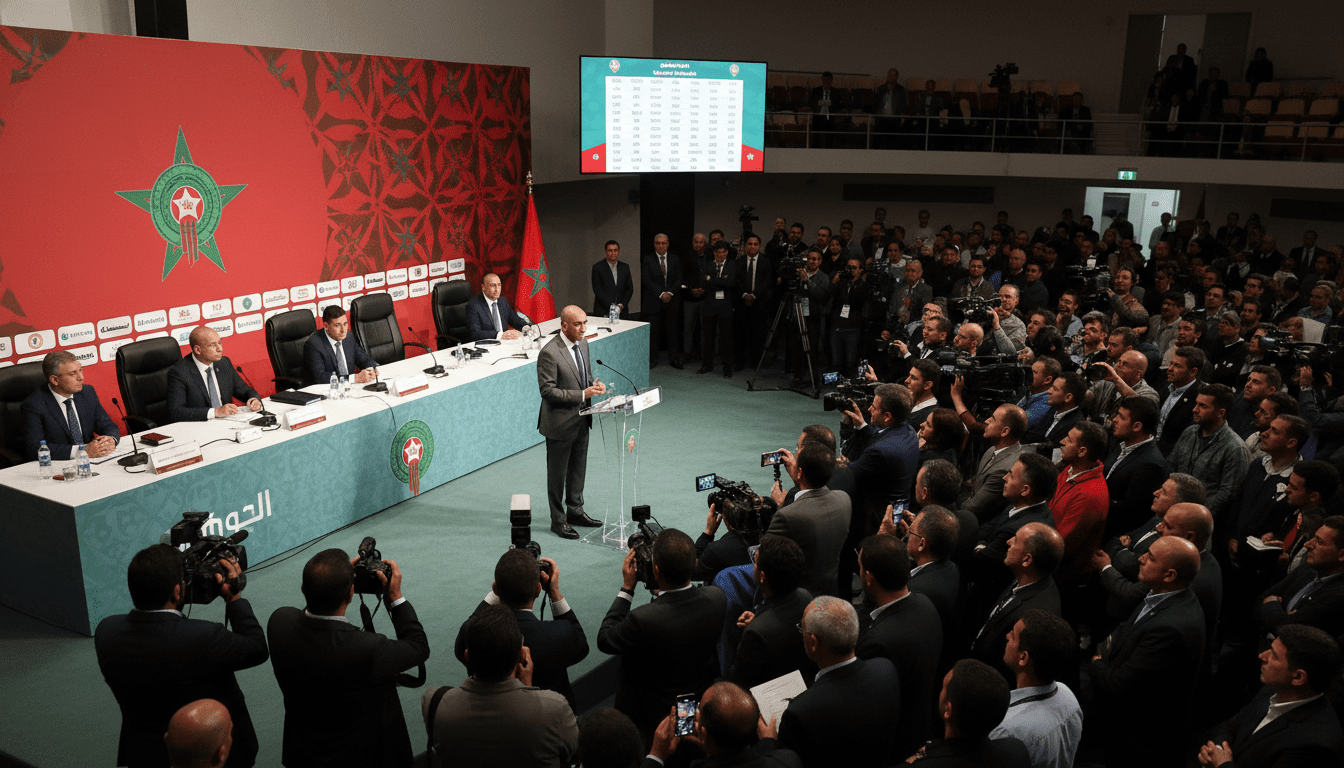
The federation appointed Mohamed Ouahbi, the coach who guided Morocco’s Under-20 side to the 2025 Youth World Cup, describing the move as strategic and aimed at continuity. Ouahbi has said his remit is to maintain performance rather than rebuild, but his lack of senior managerial experience makes the upcoming World Cup a stern first test.
Brahim Diaz and the panenka shadow
Real Madrid playmaker Brahim Diaz remains the headline attacking threat in the Morocco World Cup squad, capable of moments of individual brilliance that change games. Diaz was the standout performer at AFCON until the final penalty incident, and there is hope within the squad that he can convert frustration into form on the global stage.
The missed panenka in Rabat is a psychological hurdle, yet coaches and teammates point to his technical quality and creativity as vital assets. How Diaz responds under the World Cup spotlight will be closely watched and could be decisive for Morocco’s attacking output.
Emergence of Ayyoub Bouaddi and selection surprises
The inclusion of 18-year-old Lille midfielder Ayyoub Bouaddi is one of the most eye-catching decisions in Morocco’s World Cup squad selection. Bouaddi, who switched youth allegiance from France, brings pace, technical skill and a fresh dynamic to a midfield group that mixes seasoned campaigners with emerging talent.
Several familiar names were omitted, notably Youssef En-Nesyri, a 2022 quarterfinal match-winner, while other picks such as Nayef Aguerd show faith in experience despite recent injury problems. The squad blends creative midfielders like Bilal El Khannouss with combative operators such as Sofyan Amrabat to provide balance across the spine.
Achraf Hakimi’s form and off-field questions
Achraf Hakimi remains one of the most influential figures in the Morocco World Cup squad owing to his attacking threat from right-back and his proven club form in recent seasons. His overlapping runs and delivery have consistently contributed goals and assists, and he was recently honored as one of Africa’s top players after a strong club campaign.
At the same time, Hakimi faces scrutiny over reduced statistical returns this season and ongoing off-field legal matters, which he denies. The interplay between his personal circumstances and on-field responsibilities will be a recurring storyline as Morocco seek stability down the right flank.
Group C schedule and Morocco’s path
Morocco open Group C against Brazil on June 13 in New Jersey, followed by a June 19 meeting with Scotland in Boston and a June 24 fixture against Haiti in Atlanta. Each match presents differing challenges: Brazil with elite talent, Scotland as an improving European side, and Haiti as a potentially unpredictable opponent.
Securing points early, particularly in the opener against Brazil, would set a positive tone for Morocco’s campaign and ease pressure on a team adapting to a new coach and lingering controversies. If the Atlas Lions navigate the group stage cleanly, they will enter the knockout rounds as a dangerous, resilient side.
Morocco go to the World Cup with a squad that combines decorated internationals, rising prospects and a coaching change that raises questions about cohesion. The AFCON controversy and managerial transition have created a combustible mix, but the technical quality across attack and defense gives Morocco the tools to repeat or better their 2022 performance if they can maintain focus.
