
Israeli Drone Strike in Southern Lebanon Injures Two as Amnesty Demands War Crimes Probe
Two injured in Israeli drone strike in southern Lebanon; Amnesty urges war-crimes probes into March attacks that killed 24 and warns the June 26 deal may hinder accountability.
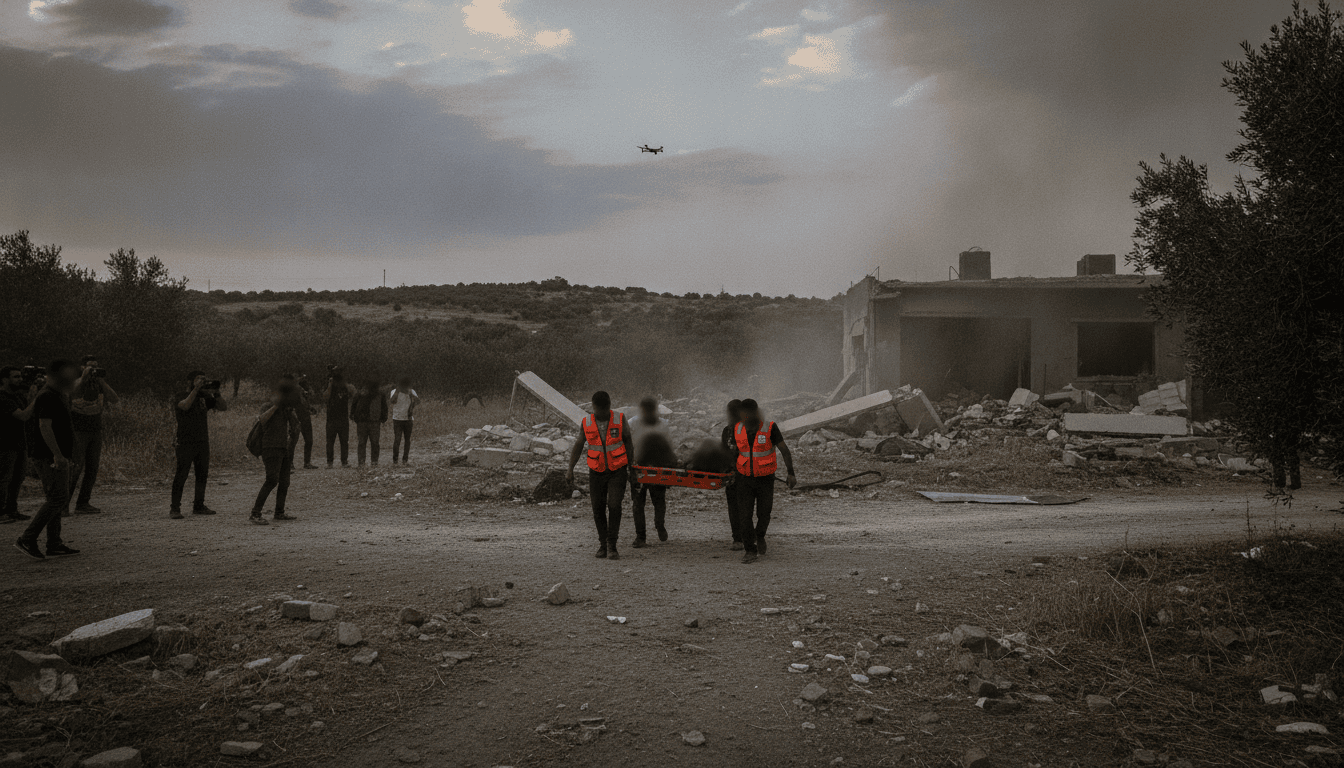
A drone strike on a pick-up truck in southern Lebanon injured two people early on July 10, officials reported, marking the latest strike despite a United States-brokered agreement meant to de-escalate the border. The incident occurred as the vehicle was unloading garbage on the outskirts of Choukine and Kfar Dajjal in the Nabatieh district, Lebanon’s state news agency said. The new attack comes amid growing international scrutiny after Amnesty International urged formal war-crimes investigations into earlier Israeli strikes that killed dozens in March.
Drone strike wounds two near Choukine and Kfar Dajjal
Lebanon’s National News Agency reported the drone struck the truck as residents were unloading refuse at dawn, leaving two people wounded and prompting immediate local rescue efforts. Medical teams moved the injured to nearby facilities and there were no immediate reports of fatalities from that specific strike. Authorities said the attack underscores continuing cross-border tensions despite diplomatic efforts to reduce hostilities.
Multiple overnight strikes and demolition operations reported
Separate strikes also targeted a car elsewhere in southern Lebanon, and demolition activity shook the border town of Khiam overnight, local sources said. Later reports from the National News Agency indicated drones had hit Kfar Reman and Nabatieh al-Fawqa without causing casualties. Residents described disrupted sleep and heightened anxiety as search-and-rescue and civil defense units checked affected areas.
Amnesty urges investigations into March attacks that killed 24 civilians
Amnesty International said its own inquiry found grounds to believe Israeli forces may have violated international humanitarian law in strikes on March 6, March 12 and March 13 that killed 24 civilians. Those attacks struck homes across the Tyre, Sidon and Nabatieh districts, according to the rights group, and included the deaths of multiple children and several women. Amnesty called on states to open investigations and to pursue legal avenues, including the use of universal and extraterritorial jurisdiction where appropriate.
Rights group warns June 26 agreement could block accountability
Human rights advocates warned the framework deal brokered by the United States on June 26 could complicate efforts to hold perpetrators to account if it effectively shields certain actions from scrutiny. The agreement does not compel an Israeli withdrawal from a large area of southern Lebanon it continues to occupy, critics say, and some officials in Israel have signalled operations will continue where they consider them necessary. Amnesty urged Lebanon to allow the International Criminal Court jurisdiction over crimes on its territory to ensure investigations proceed unhindered.
Lebanon tallies mounting civilian toll since March 2
Lebanon’s Ministry of Public Health reported a total of 4,321 deaths and 12,204 injuries from Israeli attacks on the country since March 2, figures that underline the wider human cost of the cross-border campaign. Health officials emphasized that the toll includes civilians killed in populated districts and that hospitals across the south and beyond have been stretched by mass casualties. Local authorities appealed for continued international humanitarian assistance to cope with medical and shelter needs.
Calls for arms embargo and legal action intensify
Amnesty and other advocacy organizations urged states to impose an immediate, comprehensive arms embargo on Israel and to pursue criminal investigations of those responsible for unlawful strikes. Rights groups said imposing restrictions on weapon transfers and opening prosecutions under universal jurisdiction are vital steps to deter further civilian harm. Diplomats and legal experts remain divided on the feasibility and effectiveness of these measures, but the calls reflect growing frustration among investigators and humanitarian actors.
The U.S.-brokered framework and the pattern of strikes on both sides of the Israel-Lebanon border have renewed focus on the limits of current diplomatic mechanisms to stop violence quickly. For now, residents across southern Lebanon face repeated disruptions and damage while human rights bodies press for transparent, independent inquiries into the deadly incidents in March and the more recent attacks. The coming days will test whether international pressure and legal pathways can produce accountability amid ongoing security operations.
