
Germany’s Bundesrat advances bill to criminalize denial of Israel’s right to exist
Germany moves to criminalize denial of Israel’s right to exist when it promotes antisemitic violence, after a Länder initiative led by Hesse advances in the Bundesrat.
Bundesrat backs Hesse initiative
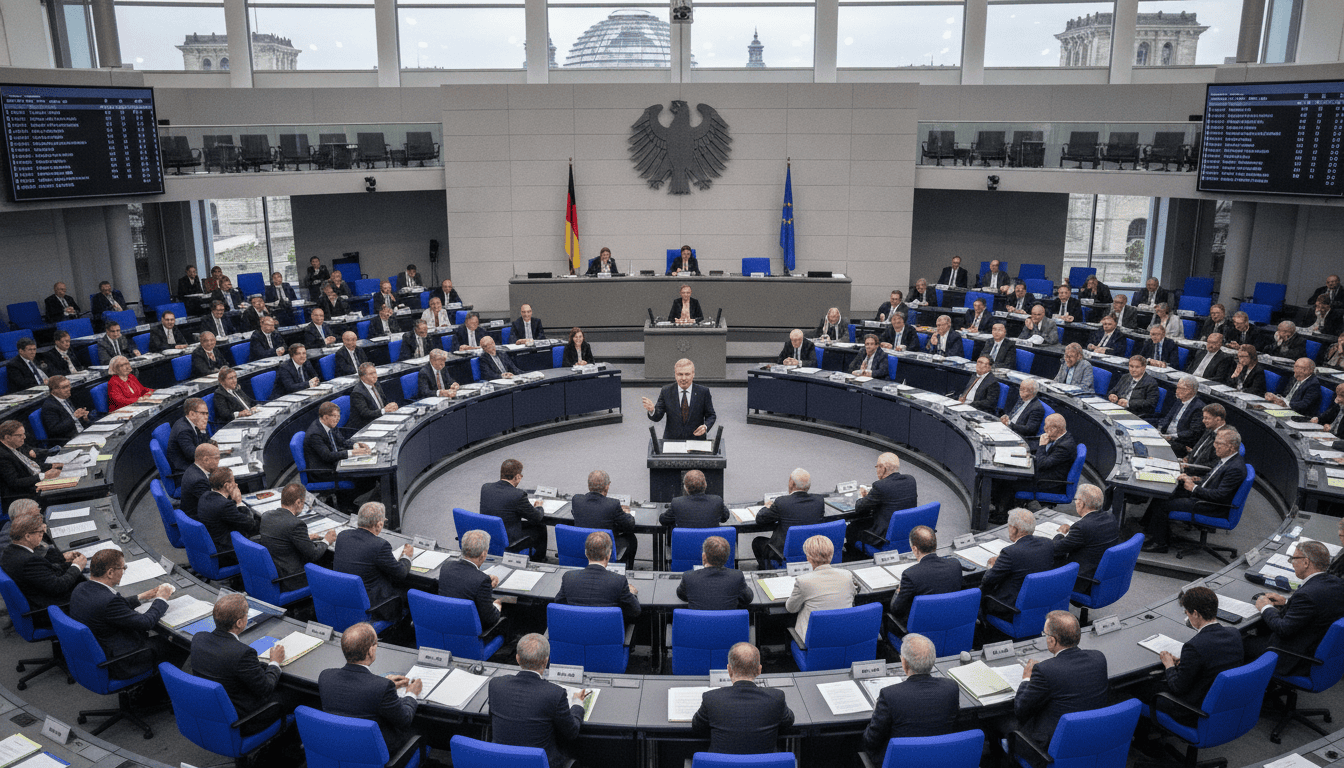
The Bundesrat on Friday approved a draft law introduced by the state of Hesse that would criminalize public denials of Israel’s right to exist. The move targets statements made publicly or at assemblies that either deny Israel’s existence or call for its elimination when those expressions foster readiness for antisemitic violence or arbitrary measures. The Länder justification says existing criminal provisions are insufficient to address a recent sharp rise in antisemitic incidents.
The decision sends the draft to the federal government for comment before it proceeds to the Bundestag for debate and possible amendment. The Bundesrat’s vote reflects growing concern among state governments about the tone and frequency of public rhetoric relating to Israel.
Text of the proposed offence
Under the draft, the new offence would apply to anyone who publicly or in an assembly denies Israel’s right to exist or calls for the state’s elimination. Criminal liability would hinge on a threshold: the conduct must be carried out in a manner that promotes a willingness to commit antisemitic violence or arbitrary acts. That qualification is intended to distinguish protected expression from speech that meaningfully contributes to a climate of targeted violence.
Penalties and specific sanction levels were not detailed in the Länder explanatory notes circulated with the draft, which focus on the scope and threshold of punishable conduct. The proposal frames the measure as a narrow intervention designed to prevent incitement rather than to broadly curtail political debate.
Rise in antisemitic incidents cited
The Bundesrat’s explanatory memorandum cites a steep increase in antisemitic incidents as a central rationale for the bill. According to figures referenced by the Länder, recorded antisemitic incidents rose from 1,957 in 2020 to 8,627 in 2024, more than quadrupling over four years. Lawmakers argued that the scale of the rise demands targeted legal tools to address public expressions that can fuel violence.
State representatives also pointed to trends in assemblies and social media where hostile rhetoric toward Jews and Israel has appeared alongside calls for extreme measures. The draft frames the proposed offence as a preventive measure to break the link between incendiary language and violent action.
Parliamentary path and government review
The federal government now has the opportunity to comment on the Bundesrat’s draft before it reaches the Bundestag for further consideration. If the cabinet issues a position, Bundestag committees would likely examine legal clarity, proportionality, and enforcement mechanisms. Final passage would require parliamentary votes and could be subject to amendments during committee review.
Should the Bundestag approve the proposal, implementation would follow through ordinary legislative procedures, potentially accompanied by guidance for prosecutors and law enforcement on the new threshold for criminalization. Legal experts expect parliamentary debate to focus on precise wording and safeguards against overbroad application.
Legal and free-speech concerns expected
Legal scholars and civil liberties groups are likely to scrutinize the draft closely, warning that criminalizing certain statements can raise constitutional questions about freedom of expression. Supporters counter that Germany’s post-war legal framework permits narrow restrictions where speech crosses into incitement or where it endangers public order and minority safety. The draft attempts to thread that needle by making the offence conditional on demonstrable promotion of readiness for antisemitic violence.
Courts would ultimately determine whether the statute, if enacted, respects constitutional protections while effectively preventing incitement. Observers note the German legal system’s existing sensitivities to hate speech and Holocaust denial, and they predict careful judicial review should challenges arise.
Political and social reactions anticipated
The initiative from Hesse and the Bundesrat vote are likely to spur reactions across the political spectrum and from civil society. Proponents in state governments cite rising antisemitism and the need to protect Jewish communities and democratic life. Critics may argue the law risks chilling legitimate political expression and could be misused in contentious debates about foreign policy and Israel.
Jewish organizations, victims’ groups, and security agencies will be watched closely for statements on whether the proposed offence addresses the practical risks they observe. International observers may also weigh in given the cross-border nature of many online campaigns and demonstrations.
Germany’s proposed criminalization of denying Israel’s right to exist marks a notable step in the country’s ongoing effort to confront antisemitism while balancing constitutional freedoms. The Bundesrat’s vote advances the draft into the federal review stage, and the Bundestag will now carry the political and legal responsibility to scrutinize the measure, refine its language, and decide whether it becomes law.
