
Volkswagen Confirms Major Restructuring as Board Weighs Sweeping Cost Cuts
Volkswagen confirms a major restructuring as CEO Oliver Blume and the board weigh new savings, possible plant closures and up to 100,000 job cuts worldwide.
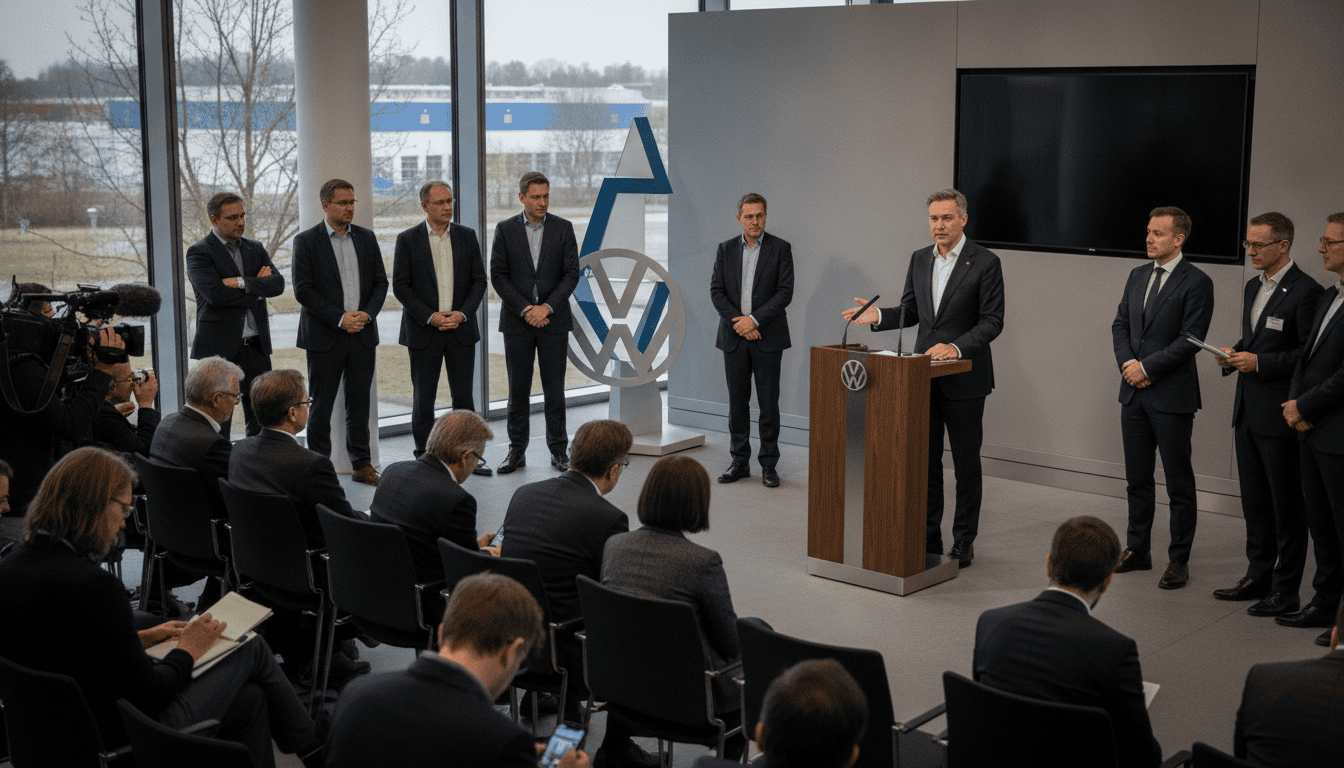
Volkswagen’s CEO Oliver Blume has reaffirmed a broad corporate realignment after a supervisory-board meeting that examined fresh cost-saving options. Blume said the executive board is driving a transformation intended to make the group more resilient and competitive amid global headwinds. The company emphasized that measures are part of a long-term “future plan” aimed at securing a sustainable position for Volkswagen in international markets.
Blume affirms sweeping realignment
Blume described the initiative as the most comprehensive reorientation in the company’s history and framed it as a responsibility to secure Volkswagen’s future. He told stakeholders the board is focused on limiting risks and unlocking opportunities from the group’s existing strengths. The CEO also presented the plan as a signal that Volkswagen intends to strengthen its industrial presence in Germany while navigating intensified global competition.
Finance chief presses for deep cost reductions
Chief Financial Officer Arno Antlitz outlined the financial logic behind the move, stressing that the group must reduce costs, lift synergies and cut complexity to restore profitability. Antlitz said Volkswagen will continue to invest in electric vehicles and advanced software while keeping combustion-engine models technologically competitive. He characterized the future plan as a powerful lever to boost returns and fund strategic investments simultaneously.
Supervisory board met in Wolfsburg with no immediate resolutions
The supervisory board convened in Wolfsburg on Thursday to review potential additional savings, but it did not adopt final resolutions during the session. Company officials said the meeting was part of an ongoing appraisal of strategic options rather than a moment for binding decisions. Management portrayed the talks as consultative, aimed at refining scenarios before any formal proposals are presented to works councils or the board.
Reports flag potential scale of job cuts
Media reports have suggested that any new cost package could be significantly larger than previously announced reductions, with one outlet estimating up to 100,000 positions might be affected. Other reports cited even higher figures, placing possible job losses near 120,000 globally, though these numbers have not been confirmed by Volkswagen. Company spokespeople stressed that reported figures are speculative and that concrete proposals would be subject to internal review and employee consultation.
Four German factories reported at risk
Several German plants have been named in coverage as particularly vulnerable to closure in some scenarios, with Hannover, Emden, Zwickau and Neckarsulm mentioned in reports. Any shutdowns at those sites would have substantial regional and supply-chain implications given their size and the production roles they play. Volkswagen has not verified plant-level decisions and indicated that site-specific outcomes would depend on strategic choices yet to be finalized.
Political and labor implications loom large
The prospect of large-scale cuts and factory closures raises immediate political and labor questions, with regional officials and trade unions expected to seek detailed plans and protective measures. Work councils, in particular, will be central to any negotiation over layoffs, redeployments or social-plan arrangements under German co-determination rules. The company’s statements indicate management intends to engage with stakeholders, but timing and scope of consultations remain unclear.
The next steps will focus on translating the strategic objectives of the Zukunftsplan into concrete proposals for cost savings, capacity adjustments and investment priorities. Volkswagen’s leadership says it aims to balance pressure to reduce expenses with commitments to electrification and software, while following legal and labor processes. Observers will watch closely for formal measures, the company’s timetable for implementation and how union and political responses shape the final package.
