
German heating law cleared by Bundestag lets new gas and oil boilers, sets phased biomethane targets
Bundestag approves German heating law allowing gas and oil boilers, sets biomethane quotas and landlord cost-sharing; critics warn it endangers climate goals.
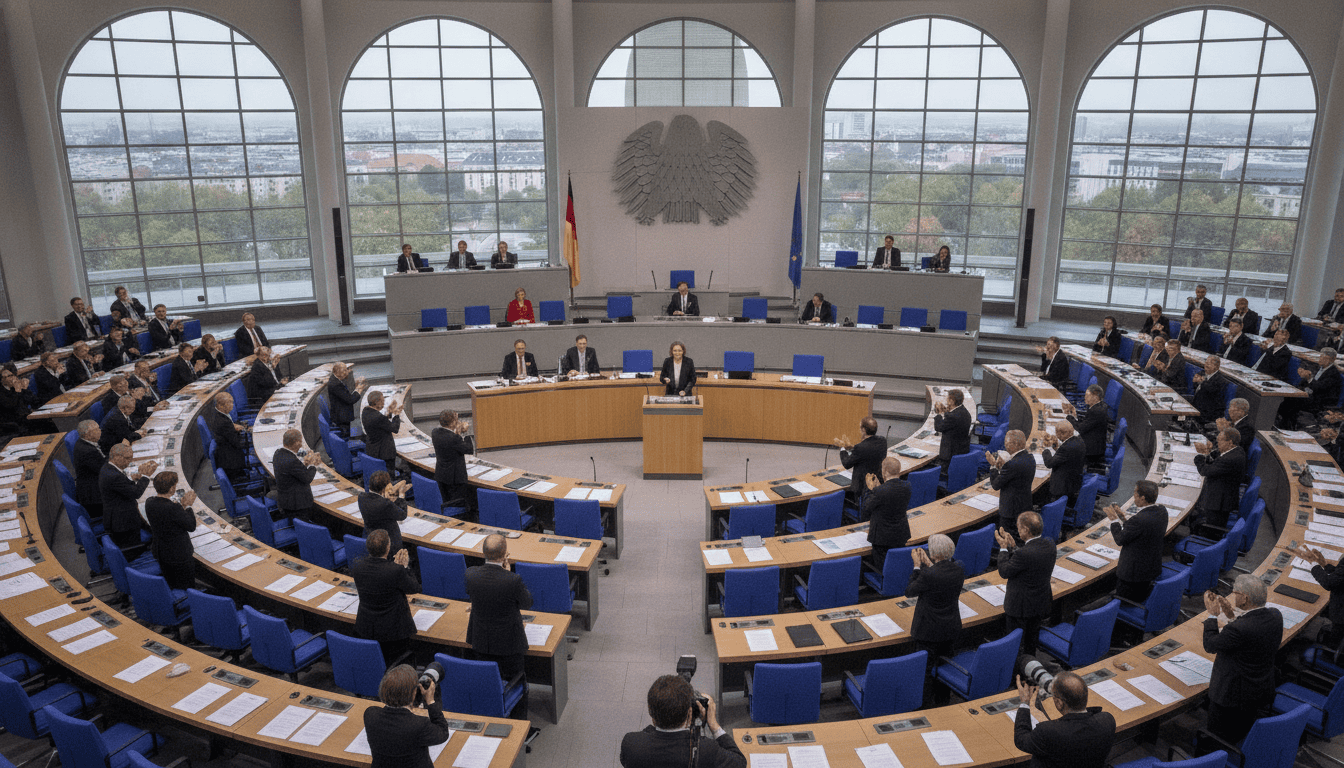
The Bundestag has approved a new German heating law that permits the installation of new gas and oil boilers while replacing an earlier mandate for high shares of renewables in new heating systems. The measure, part of a broader building modernization package, removes the previous requirement that newly installed systems operate on 65 percent renewable energy and introduces phased requirements for low‑carbon fuels instead. Lawmakers said the change is intended to expand consumer choice and promote gradual fuel transition rather than immediate technology mandates.
Parliamentary vote and legal shift
The law, adopted by the Bundestag after coalition negotiations, amends the existing building energy framework and restores explicit permission for fossil‑fuel heating installations. Supporters framed the change as restoring “technology openness” for homeowners and builders, arguing that a strict heat pump obligation had been politically and practically difficult to implement. The legislative text replaces the prior binding renewable share with a staged approach that ties new fossil systems to increasing percentages of climate‑neutral fuels.
Phased ‘biotreppe’ quotas for new systems
A central element of the law is the so‑called “biotreppe,” a stepped schedule requiring growing shares of CO2‑neutral fuels in new installations over the coming decades. The schedule sets minimum shares at 10 percent from January 1, 2029, rising to 15 percent in 2030, 30 percent in 2035 and 60 percent by 2040. Lawmakers described the mechanism as a bridge allowing existing combustion technologies to operate while demand for biomethane and other low‑carbon gases is scaled up.
Changes for existing buildings and green gas quota
For existing heating systems the law introduces a “green gas quota” beginning in 2028, initially capped at around one percent, though many technical details remain to be defined. The previous draft’s proposal to ban fossil fuels in heating boilers from 2045 was removed during parliamentary deliberations, altering the long‑term regulatory landscape for older buildings. Government officials said staggered measures and transitional rules were necessary to avoid sudden cost shocks for households and building owners.
Landlords, subsidies and cost distribution
The new rules also reconfigure who bears the costs of network charges and CO2 levies for heating fuels, with landlords required to cover half of net charges and CO2 costs from 2028 onward. At the same time, federal support for replacing old boilers will be substantially reduced compared with previous programmes, a move the coalition argues is needed to rein in public spending. Officials maintain these provisions will protect tenants from abrupt rent increases while encouraging deliberate investment decisions by property owners.
Political debate and competing narratives
The vote exposed sharp political divides over the law’s climate impact and economic effects. Federal Economy Minister Katherina Reiche and coalition supporters argued the measure ends a one‑size‑fits‑all mandate and empowers consumers to choose technologies that fit their homes and finances. Opponents from the Greens and The Left warned that loosening rules on fossil heating risks locking in emissions and leaving households exposed to volatile fuel prices intensified by international conflicts.
Criticism, cost concerns and market signals
Opposition parties warned the change could create a “cost trap” for consumers facing rising CO2 levies on fossil fuels and potentially higher gas network fees. Green lawmakers pointed to recent price spikes for fossil energy and argued the government had not sufficiently accounted for geopolitical shocks when dismantling stricter rules. Analysts and advocacy groups signalled that uncertainty about subsidies and the pace of fuel supply transformation could slow investment in low‑carbon technologies.
Implementation, follow‑up legislation and industry duties
Parliament also stipulated that the government must present additional legislation this year requiring fuel suppliers to phase out fossil fuels in line with Germany’s 2045 net‑zero target. That follow‑up bill would obligate providers to shift toward fully climate‑neutral fuels by 2045, according to parliamentary records. Officials said the two‑step approach — immediate flexibility for consumers coupled with binding supplier obligations — aims to balance short‑term affordability with long‑term climate objectives.
Legal challenges are expected from environmental groups and opposition politicians who argue the law undermines Germany’s climate commitments and could be at odds with federal targets. Courts will likely be asked to assess whether the staged approach and the removal of the 2045 boiler ban comply with statutory and constitutional duties to protect the environment. Observers say the litigation risk adds another layer of uncertainty for households, landlords and industry planning investments.
The Bundestag’s decision marks a significant reorientation of German heating policy, prioritizing gradual fuel substitution and consumer choice while prompting fierce debate over climate risks and social fairness. Households, building owners and suppliers now face a complex implementation period in which transitional rules, subsidy cuts and new supplier obligations will determine how quickly low‑carbon heating becomes widely available.
