
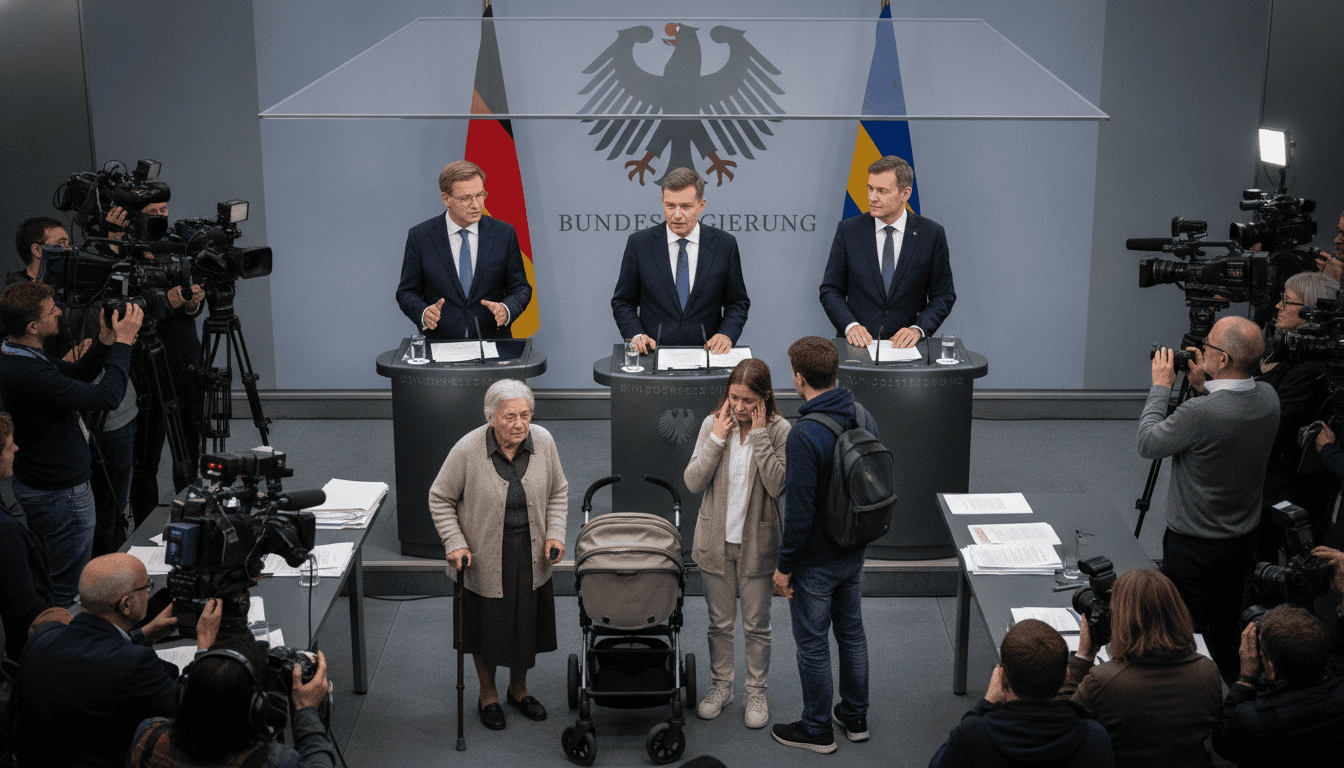
German reform package draws criticism for protecting elites and burdening vulnerable
Critics say the German reform package cements privileges, burdens vulnerable groups and lacks clear financing or vision across pensions, taxes and social policy.
The federal government’s newly unveiled German reform package has drawn sharp criticism for preserving existing privileges while shifting burdens onto already vulnerable groups. Analysts say the measures tweak many details without delivering the systemic changes that experts argue are needed for long-term fiscal and social stability. The debate centers on pensions, tax relief for higher earners, unclear financing and a political narrative many describe as pessimistic.
Reforms seen as preserving the status quo
Critics argue the package largely protects established interests and the financial positions of those with wealth and influence. Rather than dismantling structural advantages, the measures adjust peripheral rules, leaving core incentives and privileges intact.
Observers say this cautious approach limits the potential to tackle entrenched inequality and locks in distributional patterns that favor older and wealthier cohorts. That outcome, they warn, reduces public confidence in the government’s willingness to make difficult but necessary trade-offs.
Pension changes widen inequalities
The pension provisions in the package are particularly contentious, with critics saying they continue to shift resources from lower-income to higher-income groups and from younger to older generations. Analysts contend that without a redefinition of equivalence principles the system will persistently underprotect low earners.
Some commentators call for tougher measures, including raising the statutory retirement age to 70 paired with stronger safeguards against old-age poverty. They argue that only a comprehensive rebalancing of contributions, benefits and intergenerational fairness will secure sustainable public finances and social cohesion.
Tax measures fall short of structural overhaul
The tax elements of the reform are described as modest reliefs for middle and upper‑income earners while leaving major privileges untouched. Measures such as continued benefits for company cars and favorable treatment for diesel are cited as examples where reform stops short.
Critics say the package fails to mobilize revenue from large fortunes, inheritances and other unearned wealth that many experts view as necessary to fund social investment. Without those adjustments, they argue, the government risks offering short-term relief that undermines long-term fiscal balance.
Unclear financing and growing public debt
A recurring complaint is that proposed spending increases and tax cuts arrive without transparent, sustainable financing plans. The government appears prepared to rely on additional borrowing for defense and investment, a choice that raises questions about intertemporal fairness.
Fiscal watchdogs and opposition voices have highlighted the continued protection of economically and ecologically harmful subsidies as an avoidable driver of debt. They contend that redirecting such subsidies and applying targeted revenue measures would be a more responsible path than extending public liabilities.
Social consequences and political fallout
Many critics warn the reforms send a punitive message to vulnerable groups by singling out part-time workers, migrants and younger people as targets of reform rhetoric. That dynamic, they say, risks deepening mistrust in institutions and stoking social polarization.
Political analysts caution that the perceived inequities in the package may benefit fringe actors and parties that thrive on grievance and division. The concern is that a reform program lacking redistributive balance and a positive narrative could amplify discontent rather than heal it.
Vision for growth and the European challenge
Beyond distributional disputes, commentators note an absence of a forward-looking narrative that ties reforms to a clear industrial and technological strategy. The package is seen as failing to articulate how measures will help Germany become a leader in medtech, green industry, mobility and artificial intelligence by the mid‑2030s.
Experts also point to the need for deeper European integration as part of any credible strategy for competitiveness and geopolitical resilience. They argue that national reforms must be complemented by EU-level coordination to confront global strategic competition effectively.
The reform package may mark a political step toward consensus, but critics say it falls short of the decisive structural changes required to restore trust and secure long-term prosperity. If tougher measures that curb entrenched privileges and responsibly finance investments are not forthcoming, analysts warn the window for durable, transformative reform could close for years.
