
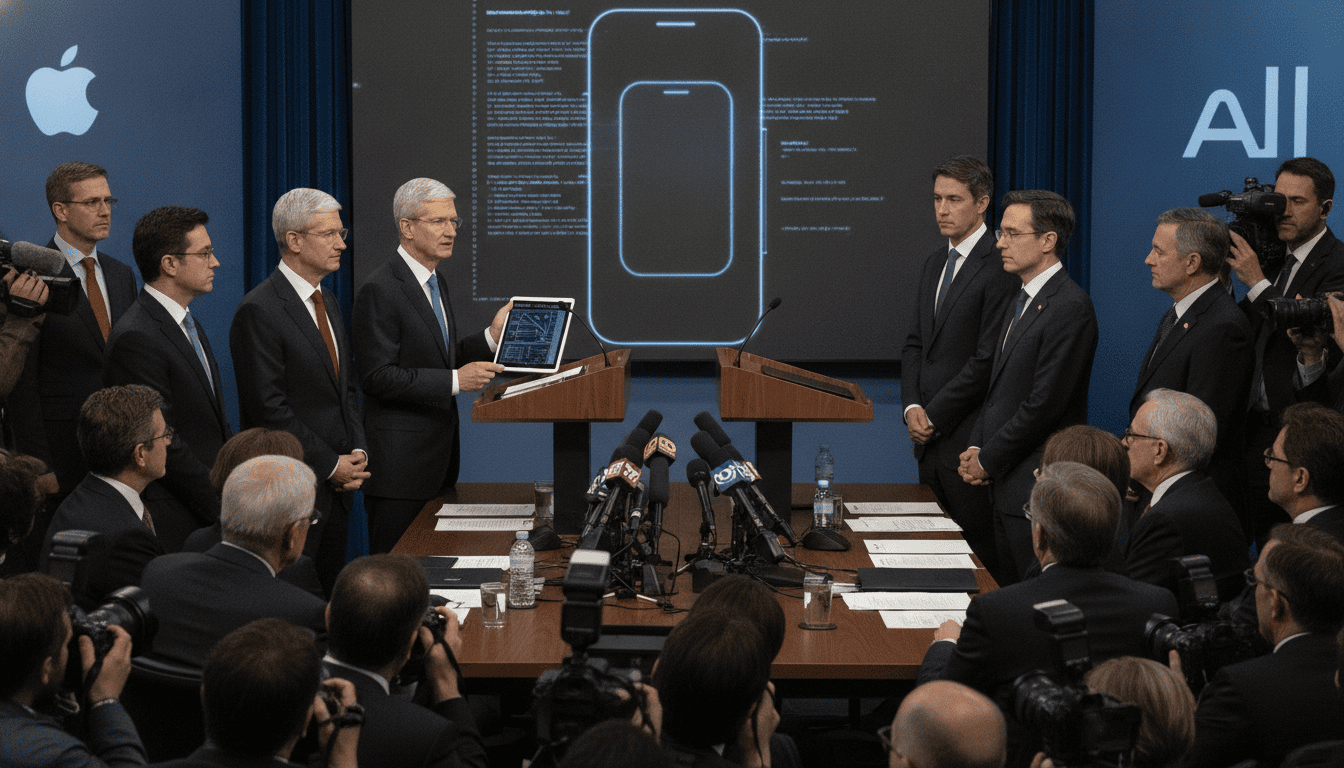
Apple sues OpenAI, alleging trade secret theft and leadership-directed recruitment of Apple engineers
Apple has filed a federal lawsuit against OpenAI alleging trade secret theft, breach of contract, and a targeted recruiting campaign that used confidential Apple information to build OpenAI’s hardware efforts.
Opening summary
Apple filed the complaint on Friday, July 10, 2026, in the U.S. District Court for the Northern District of California, accusing OpenAI of misappropriating trade secrets and directing former Apple engineers to bring confidential materials and knowledge to the company.
The complaint names senior OpenAI figures and former Apple employees and seeks injunctions, return of materials, and preservation of evidence as the companies move into litigation.
Allegations against OpenAI leadership and recruiters
Apple alleges that OpenAI’s recruiting and onboarding practices were used to extract proprietary Apple information, and that senior OpenAI leadership directed or encouraged that conduct.
The suit specifically alleges that recruitment managers and executives asked candidates about internal Apple project code names, requested physical Apple components during interviews, and coached departures to evade Apple security controls.
Named individuals and specific conduct described
The filing identifies Tang Tan, OpenAI’s chief hardware officer, as a central figure and accuses him of using Apple project code names in recruitment and soliciting details about unannounced products.
Apple also names Chang Liu, a former senior systems electrical engineer, alleging he failed to return an Apple-issued laptop and downloaded confidential technical documents before joining OpenAI in 2026.
Claims about documents, prototypes and technical methods
According to the complaint, the documents taken included technical specifications, engineering presentations, and proprietary project data tied to unreleased technologies and product features.
Apple asserts that those materials informed OpenAI’s hardware work, and cites an example in which OpenAI allegedly used a proprietary metal finishing technique after misleading a partner about Apple’s permission to use it.
Connection to OpenAI’s hardware ambitions
The lawsuit arrives as OpenAI has signaled an interest in developing its first hardware product, a move that would bring the company into direct competition with smartphone and consumer hardware makers.
Apple frames the alleged misconduct as an effort to shortcut engineering and product development by relying on misappropriated Apple trade secrets rather than independent innovation.
Apple’s legal requests and procedural steps
In the complaint, Apple asks the court to bar OpenAI from using or disclosing Apple trade secrets, to compel the return of confidential materials, and to order preservation of evidence for discovery.
Apple also says it raised concerns to OpenAI in February and alleges it received no substantive response before filing suit, prompting the company to seek relief through the courts.
Potential industry and legal implications
If the court finds that trade secrets were misappropriated, the case could affect hiring and recruiting practices across the technology sector and place new scrutiny on employee transitions between rival firms.
Beyond personnel rules, the litigation could impose constraints on how AI companies develop hardware and on the handling of suppliers and partners who may receive sensitive industry techniques.
Apple has characterized the behavior described in the complaint as part of a broader plan to extract confidential information from Apple through targeted hiring and covert requests.
OpenAI has been contacted for comment, and the litigation marks an early legal test of how intellectual property and employee mobility intersect with rapid AI-driven product expansion.
The case is likely to unfold over months of discovery as both sides present communications, device logs, and witness testimony to establish whether information was improperly taken or used.
For Apple, the central questions will be the provenance of documents in OpenAI’s possession and whether leadership at OpenAI authorized or tolerated recruitment tactics that violated Apple’s policies and the law.
The dispute underscores growing tensions between established hardware companies and AI-first entrants that see device development as strategic to deploying advanced artificial intelligence.
As the lawsuit proceeds, courts will weigh longstanding trade secret protections against the high rates of employee movement and the competitive pressure to develop new products quickly.
Apple’s filing signals a willingness to litigate aggressively to protect product plans and technical work, while OpenAI faces a high-profile challenge that could influence its hardware timeline and partner relationships.
Observers will watch discovery closely for evidence that clarifies how closely personnel recruitment and alleged information transfers contributed to OpenAI’s engineering efforts.
The outcome of this litigation may set precedents for how technology firms police confidential information during talent recruitment and how courts balance innovation with protection of intellectual property.
