
UKMTO Declares Highest Threat Level in the Strait of Hormuz After New US‑Iran Attacks
UKMTO warns of the highest security threat in the Strait of Hormuz on July 10, 2026, after a fresh round of US‑Iran exchanges; shipping traffic has fallen sharply.
The UK Maritime Trade Operations (UKMTO) said on July 10, 2026, that the security threat in the Strait of Hormuz remains at its highest level following a renewed exchange of attacks between the United States and Iran. The advisory, issued through Joint Maritime Information Cell (JMIC) Advisory Note 013-26, warns mariners of increased risk along a waterway that handles roughly one‑fifth of the world’s oil and gas flows. Shipping data reviewed by maritime analysts show a marked decline in transits as commercial operators reroute or delay voyages amid elevated threat perceptions.
UKMTO raises threat level to highest after advisory
UKMTO’s Operations Centre updated its advisory on July 10, 2026, signaling a sustained and elevated hazard environment for vessels transiting the Strait of Hormuz. The alert follows what UKMTO described as a renewed series of military exchanges between US and Iranian forces that have heightened the risk of attack or miscalculation near busy shipping lanes. Mariners were advised to take additional precautions, maintain vigilant watchkeeping, and follow instructions from local authorities and naval escorts where provided.
Shipping traffic through the Strait of Hormuz falls sharply
Automatic Identification System (AIS) and commercial shipping data indicate a sharp decline in traffic through the strait after the latest hostilities, as carriers and charterers weigh security, insurance, and safety considerations. Some tankers and bulk carriers are delaying transit or diverting to longer routes, increasing voyage times and operational costs. The reductions are meaningful because even short interruptions in the strait affect schedules for vessels carrying crude oil and liquefied natural gas bound for global markets.
Renewed US-Iran exchanges escalate regional tensions
The advisory cites recent military actions between the United States and Iran as the proximate cause of the heightened threat level, reflecting a pattern of tit‑for‑tat strikes and retaliatory operations that have intensified in the past weeks. Naval and missile incidents in the Gulf and adjacent waters have raised fears of spillover into major shipping corridors. Diplomatic channels remain strained, and analysts say continued exchanges raise the risk of further incidents that could disrupt navigation or endanger crew safety.
Global energy markets face heightened supply and insurance pressures
The Strait of Hormuz is a strategic chokepoint for global energy flows, and disruptions there can quickly ripple through markets for crude oil and natural gas. A sustained slowdown in transits or a spike in perceived risk typically pushes up charter rates, increases war‑risk insurance premiums, and incentivizes buyers to seek alternative supplies. Energy firms and traders are monitoring the situation closely, aware that even short‑term interruptions can influence inventories and pricing across interconnected regional markets.
Naval deployments and commercial precautions intensify
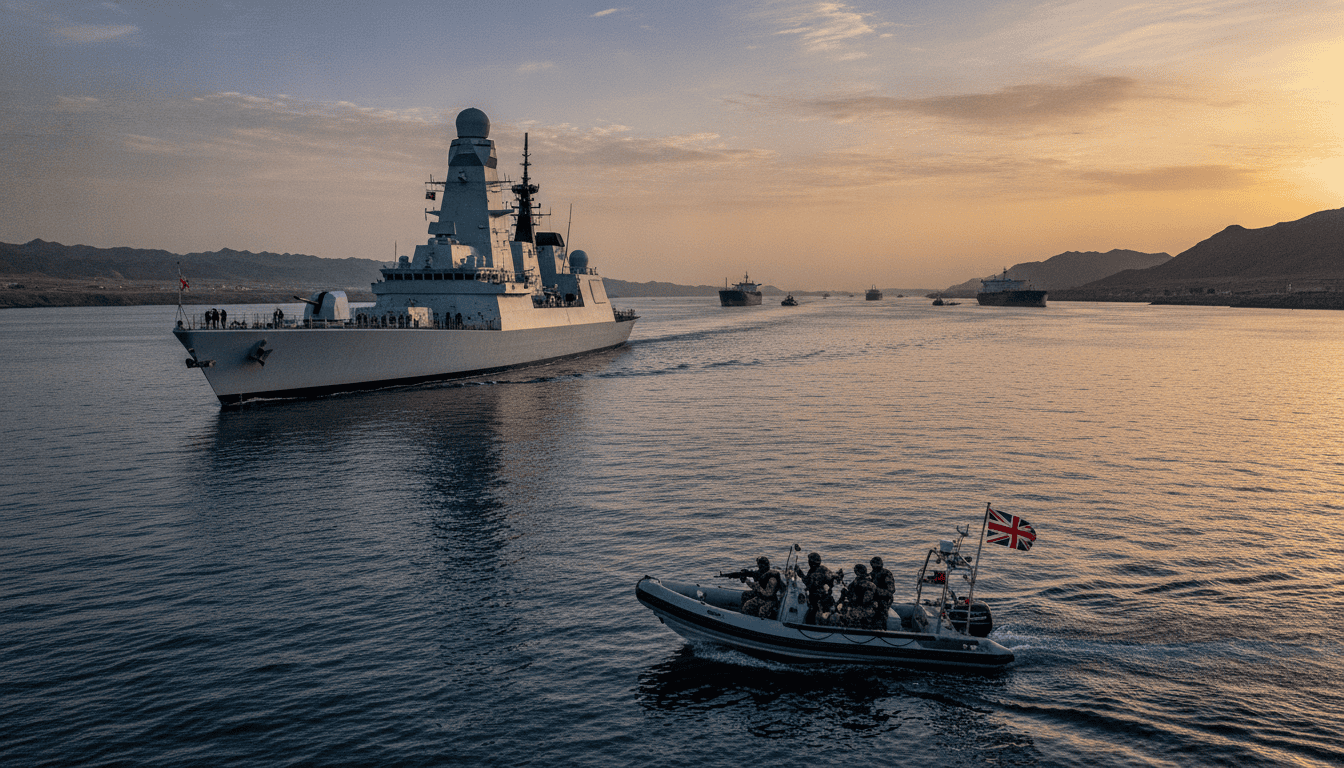
Regional navies and international maritime security forces have stepped up patrols and advisory coordination in response to the threat assessment, deploying assets to deter attacks and assist merchant shipping where feasible. Shipping companies are implementing enhanced security measures, altering voyage plans, and in some cases seeking naval escorts or accepting alternative, longer routings to avoid the most exposed areas. Industry groups continue to urge shipping operators to register movements with authorities such as UKMTO and JMIC and to follow established best practices for transiting high‑risk waters.
Industry warnings and calls for de‑escalation
Maritime insurers, classification societies, and major charterers have reiterated warnings about operating in high‑risk zones while calling for de‑escalation to restore safe commerce through one of the world’s busiest sea passages. Trade bodies emphasize the economic stakes for importers and exporters dependent on timely deliveries, and some firms are activating contingency plans to secure alternative logistics chains. At the same time, seafarer safety groups have urged that crew welfare and clear guidance be prioritized amid heightened operational tension.
The situation in the Strait of Hormuz remains fluid, with UKMTO’s July 10 advisory underscoring continuing risk to commercial navigation following renewed US‑Iran military exchanges; shipping companies, navies, and energy markets are adjusting operations and monitoring developments closely.
