
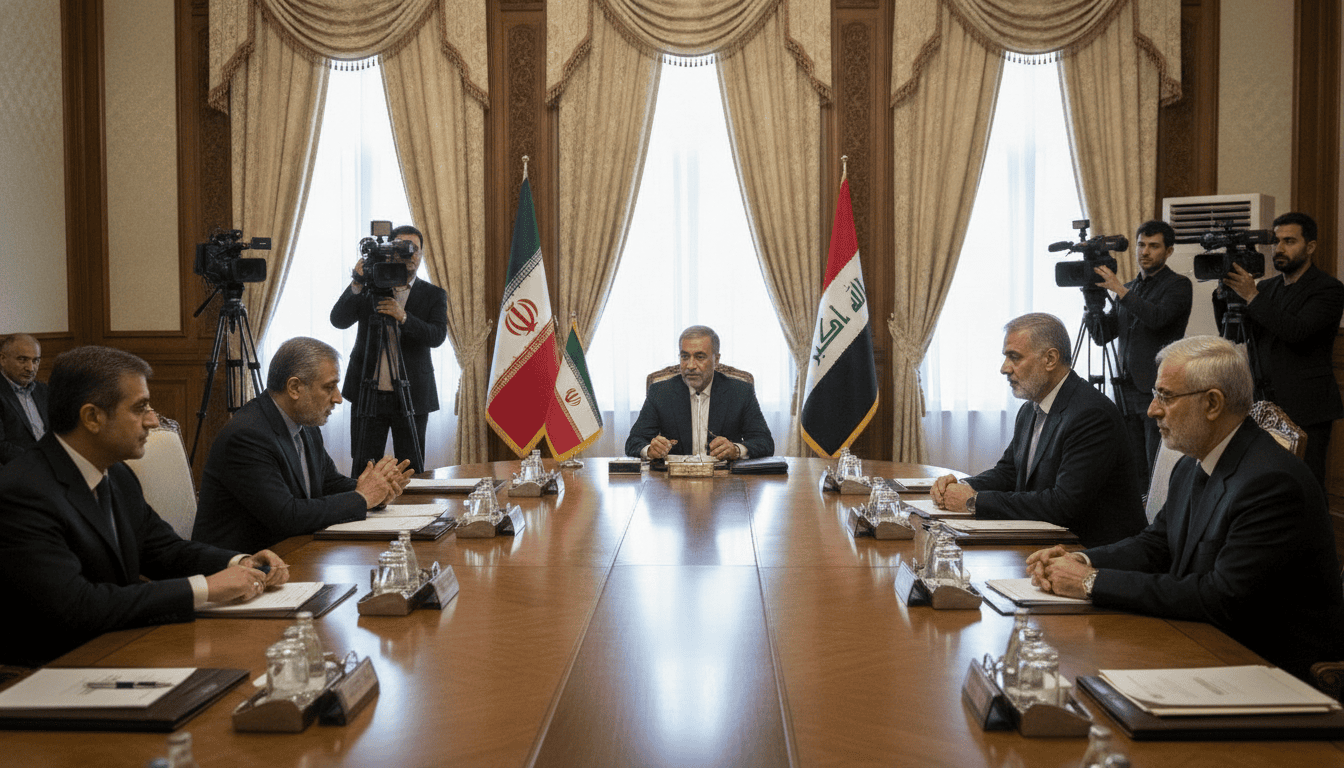
Iran-Iraq relations reaffirmed in diplomatic call as ministers address US strikes and Islamabad memorandum
Iran and Iraq reaffirmed their bilateral ties in a phone call between Foreign Minister Abbas Araghchi and his Iraqi counterpart Fuad Hussein, underscoring Iran-Iraq relations amid recent US military strikes and a dispute over the Islamabad Memorandum of Understanding. The conversation, described by Iran’s state news agency IRNA, sought to insulate Tehran-Baghdad cooperation from “personal and unofficial remarks” that could inflame relations. Diplomats on both sides framed the exchange as a reaffirmation of longstanding political, cultural and security links.
Senior ministers speak after US-Iran military exchanges
During the call, Araghchi and Hussein discussed regional developments following US military actions targeting Iran, diplomatic sources said. Iran highlighted what it described as “repeated violations” of the Islamabad Memorandum of Understanding by Washington, raising concerns about the memorandum’s implementation. Iraq signalled a desire to prevent bilateral ties with Iran from being overshadowed by external military activity.
The timing of the conversation reflects heightened regional tensions after strikes attributed to the United States, which have prompted Tehran to pursue diplomatic channels while maintaining a robust security posture. Both ministers sought to communicate a shared interest in stability across the Levant and Iraq’s neighbourhood, where spillover effects of any confrontation could have immediate consequences.
Araghchi stresses “deep-rooted and strategic” ties
Araghchi characterized relations with Baghdad as “deep-rooted and strategic,” noting historical, cultural and religious foundations for close cooperation. He framed the relationship as resilient, rooted in shared interests that extend beyond transient political disagreements. Iran’s foreign minister emphasized the need for continuity in state-to-state engagement regardless of episodic rhetoric.
That language was intended to send a message that formal diplomatic relations and institutional ties should remain the primary vehicle for interaction between Tehran and Baghdad. Officials on both sides underscored the importance of preserving trade, security coordination and cross-border community links that are vital to stability in both countries.
Islamabad memorandum dispute highlighted in talks
A central point in the exchange was Iran’s criticism of what it calls Washington’s repeated violations of the Islamabad Memorandum of Understanding, a document Tehran says governs certain deconfliction measures. The dispute over the memorandum has become a flashpoint, with Tehran asserting that breaches undermine trust and complicate regional risk management. Iraqi officials, in turn, are wary of developments that could embroil Baghdad in wider strategic frictions.
Both ministers discussed mechanisms to address the diplomatic fallout from these perceived breaches, including enhanced communication channels and multilateral consultations. Baghdad’s role as a regional interlocutor was presented as crucial to preventing misunderstandings from escalating into direct confrontations.
Iraq navigates a balancing diplomatic role
Iraq’s foreign minister, Fuad Hussein, is operating in a complex diplomatic environment in which Baghdad seeks to maintain relations with Washington while preserving deep ties to Tehran. Iraqi leaders have repeatedly positioned the country as a mediator and host for dialogue between regional actors, a posture that requires careful calibration of statements and actions. The phone call with Araghchi reflects Baghdad’s attempt to keep diplomatic avenues open with both sides.
Officials in Baghdad have emphasized sovereignty and non-alignment in their public messaging, aiming to avoid being drawn into proxy dynamics. Iraqi policymakers face immediate domestic pressures as well, with factions across the political spectrum watching for any sign that foreign confrontations might produce instability inside Iraq.
Possible impacts on regional diplomacy and security
Analysts say the ministers’ exchange could serve to temper immediate tensions and preserve the basic channels necessary for crisis management. By reaffirming institutional ties, Tehran and Baghdad may reduce the risk that personal remarks or informal comments escalate into state-level ruptures. Nevertheless, the underpinning issues — including the contested understanding over the Islamabad memorandum and continued US military involvement — remain unresolved.
Short-term outcomes could include more frequent communications between foreign ministries and a push for clarifying the terms and implementation of deconfliction agreements. Longer-term implications hinge on whether external actors adjust their military and diplomatic postures and whether Iraq continues to assert itself as a diplomatic broker.
Iran-Iraq relations, already defined by dense economic and cultural interconnections, will likely remain a focal point for regional diplomacy as officials work to mitigate the effects of external pressure and maintain stability along their shared border.
The ministers agreed to keep channels of communication open and to pursue further consultations aimed at resolving practical issues, signalling a mutual interest in preventing tactical disputes from damaging broader strategic cooperation.
