
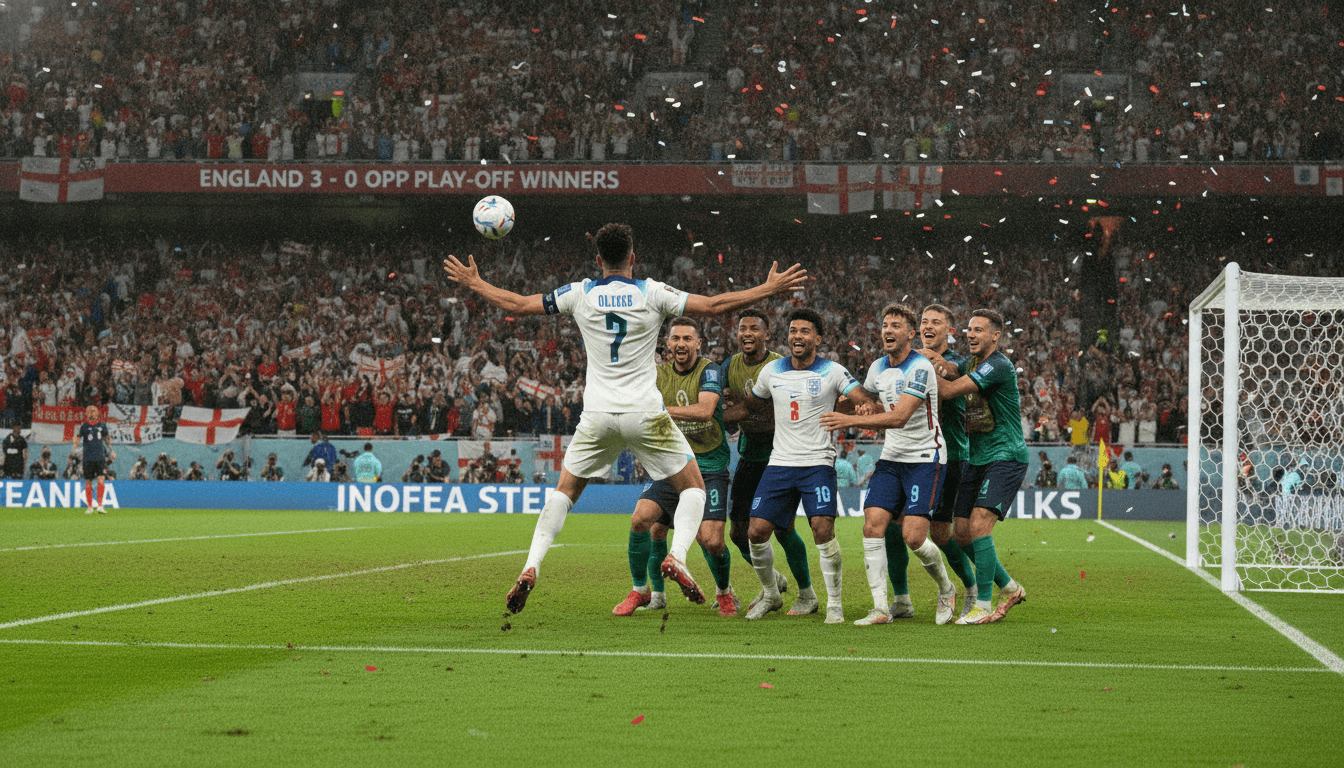
Third-Place Match Proves Its Value as Upamecano Sparks France and Olise Delivers Historic Moment
Third-place match drama underscored the value of the fixture as Dayot Upamecano sparked a France revival, Michael Olise produced a milestone likened to something Pelé never achieved, and England left with reason to view 2028 optimistically.
The contest for third place produced late momentum swings that reinforced why the fixture remains part of major tournaments. France staged a measurable recovery after an early deficit, with Dayot Upamecano instrumental in turning the tide. Observers highlighted Michael Olise’s contribution as a career-defining moment that commentators compared to achievements even Pelé did not record.
Upamecano Sparks France Comeback
Dayot Upamecano’s involvement changed the complexion of France’s performance in the third-place match. His presence at pivotal moments restored structure to France’s build-up play and helped create chances that shifted the match’s balance. That intervention was widely seen as a decisive spark for a team that had appeared on the back foot earlier in the game.
Olise’s Unprecedented Achievement Compared to Pelé
Michael Olise produced a moment in the game that pundits described as something Pelé never managed, elevating his profile beyond club form. The feat drew attention not only for its rarity but for the timing, coming in a match that carries less glamour but significant personal and national meaning. For Olise, the occasion delivered a landmark that will be discussed alongside the season’s other standout individual performances.
Third-Place Match Validated by Drama
The fixture’s intensity and narrative illustrated why calls to abolish the third-place match face strong pushback. Supporters and analysts pointed to the match’s ability to produce meaningful moments and competitive integrity even when the title is no longer at stake. The evening’s ebb and flow provided context for individual milestones and team assessments that post-tournament reports will reference.
England’s Path to 2028 Strengthened
England emerged from the encounter with a more forward-looking perspective, with several elements suggesting a positive trajectory toward 2028. The squad’s blend of youth and experience was tested in a pressured environment, offering a clear gauge of players who could form the nucleus of future campaigns. The performance left coaching staff and observers talking about developmental gains rather than short-term disappointment.
Tactical Turning Points and Key Moments
Coaches from both sides made adjustments that materially affected momentum, and those tactical choices were central to how the match unfolded. Set-piece management and substitutions at critical junctures helped determine which team seized control in the final third of the game. Analysts noted that patterns visible in this match may influence selection and strategy as planning for the next cycle intensifies.
Reactions and Wider Tournament Implications
Reactions after the match emphasized respect for the third-place fixture and the players who delivered in it, with social media and broadcast commentary amplifying key sequences. The achievements recorded — whether a defensive intervention, a defining pass, or an unprecedented personal milestone — will factor into how national programs evaluate form and potential. Tournament organizers and national federations are likely to take note of the added attention and debate the match produced.
The third-place match offered more than consolation; it provided a competitive stage for players to assert individual value and for teams to test foundations ahead of the next major cycle. Upamecano’s rallying role and Olise’s headline-making moment ensured the fixture will be remembered, while England’s performance left a clear line of sight to long-term planning and optimism for 2028.
