
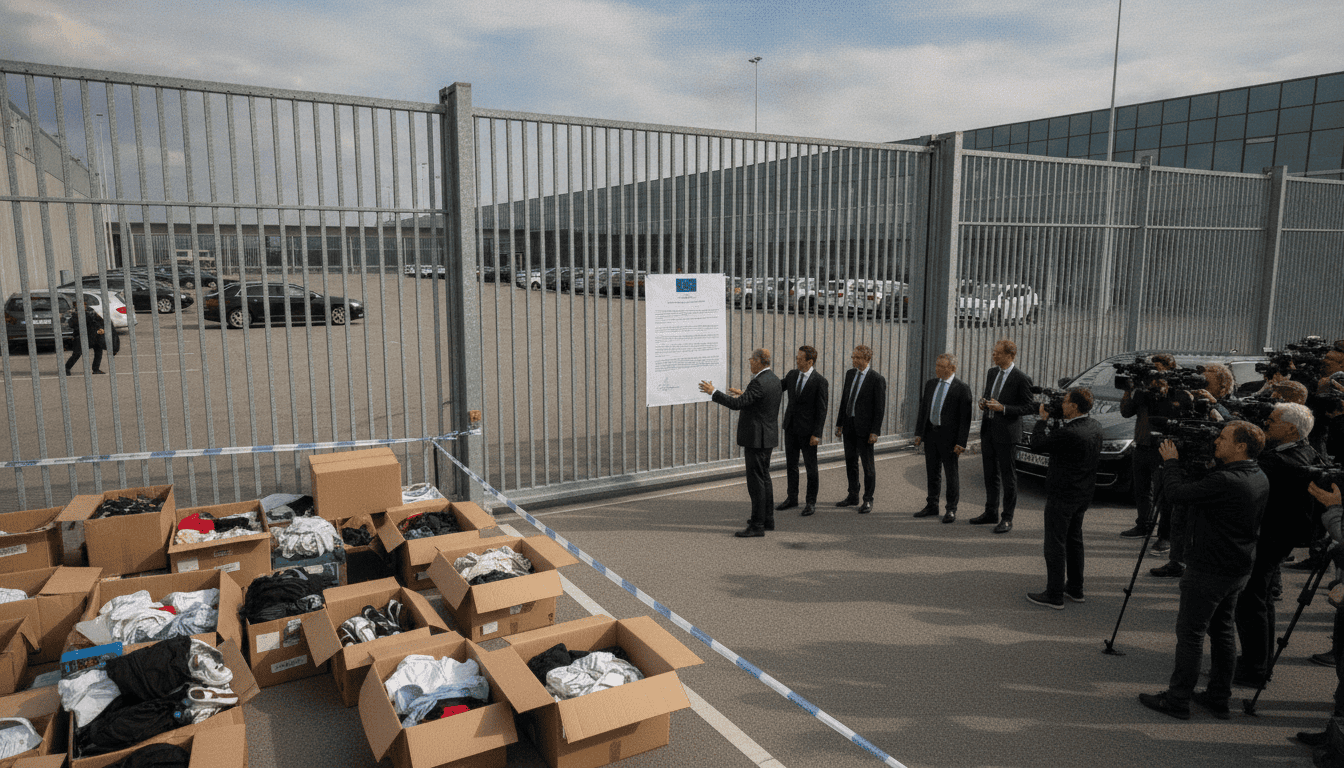
EU clothing destruction ban takes effect, forcing retailers to resell or donate unsold stock
EU clothing destruction ban takes effect July 19, 2026, barring large firms from destroying unsold clothes and shoes; they must resell, donate or log exceptions.
The EU clothing destruction ban has come into force on July 19, 2026, prohibiting large companies from deliberately destroying unsold garments and footwear and requiring alternative routes such as resale, donation or documented disposal. The measure targets a practice that, regulators say, has contributed to avoidable waste and emissions, and it obliges affected firms to keep records and show why any destruction was necessary. Smaller businesses will face the new rules later, and a range of sectoral and environmental groups have already signalled competing hopes and reservations. The change is intended to push retail chains toward reuse and circular management of textile stocks.
EU ban takes effect for large companies on July 19, 2026
The regulation applies immediately to large retailers across the European Union and sets clear duties to prevent destructive disposal of unsold clothing and shoes. Companies must now prioritize options such as discounted resale, redistribution through social channels, or formal donation before any destruction is permitted. Firms are also required to maintain documentation proving they exhausted these alternatives or that exceptional conditions applied.
Exceptions for safety, damage and unclaimed donations
The law allows specific exemptions where reuse or resale is impossible, notably when products are dangerous, contaminated, seriously damaged or otherwise unfit for recovery. Destruction is also permitted if goods offered as donations to registered EU social organisations are not collected within a defined acceptance period. These carve-outs are designed to balance public health and practical constraints with the broader aim of reducing avoidable waste.
Retailers warn of higher costs and logistical hurdles
Industry representatives say the ban will create new operational expenses and administrative burdens for retailers, particularly around storage, sorting and refurbishment of returned or unsold items. Trade associations point to scenarios where it can be cheaper to dispose of low‑value items than to cover logistics, reconditioning and transport to second‑hand channels. Companies will also face added documentation and legal compliance tasks, which retailers say could translate into higher prices or reorganised supply chains.
Fashion industry groups split on impact and scope
National and sector bodies have offered mixed assessments: some welcome the move as a signal for more responsible resource use, while others argue it misses the core drivers of overproduction. GermanFashion supports the ban as reinforcing the value of clothing and encouraging reuse, but other industry groups criticize it as mismatched with current recycling and collection capacities. A recurring industry critique is that ultra‑low‑cost imports ordered directly by consumers from non‑EU sellers remain largely outside the new obligations, prompting calls to extend producer responsibility to those supply chains.
Environmental organisations demand robust enforcement
Environmental NGOs have broadly praised the ban but warned that loopholes and weak oversight could blunt its effect. Campaigners say companies might try to reclassify items or manipulate paperwork unless member states enact strict inspection routines and sanctions. Conservation organisations add that the law will only reduce the environmental footprint of textiles if accompanied by enforcement, stronger collection systems and investments in sorting and recycling infrastructure.
Magnitude of destruction and emissions in Europe
According to figures cited by EU institutions, between four and nine percent of unsold textiles in Europe are destroyed before ever being worn, producing an estimated 5.6 million tonnes of CO2 annually. Policymakers framed the ban as part of a broader push to cut waste and greenhouse‑gas emissions from the fashion sector by keeping products in use longer. Analysts note, however, that addressing production volumes and global fast‑fashion dynamics will be essential to secure deeper, long‑term reductions.
The regulation comes amid a wider EU agenda on circular economy and waste prevention that includes measures to increase textile collection, improve repairability and make producers contribute to end‑of‑life management. Implementation this year will test how quickly retailers can adapt logistics and reporting systems, and whether member states provide the enforcement capacity campaigners say is necessary. The law’s real impact will depend on close monitoring, cooperation between industry and civil society, and follow‑up policies to tackle the flows of low‑cost imports that supply the fastest‑turnover segments of the market.
