
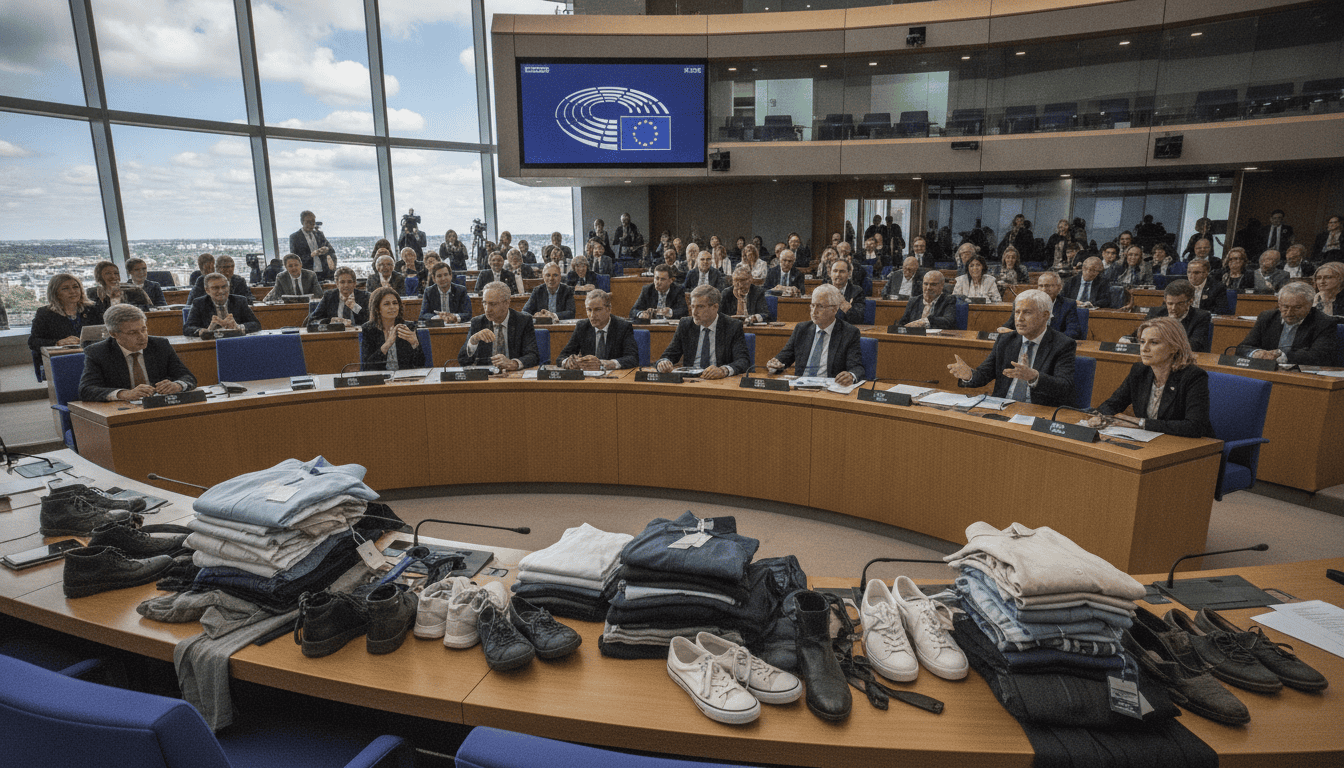
EU ban on destroying unsold clothing takes effect across the bloc
EU ban on destroying unsold clothing now applies to large companies, with exceptions for dangerous, damaged or unclaimed donations.
The EU ban on destroying unsold clothing entered into force on Sunday, coming into effect for large companies immediately while smaller firms face later deadlines. The new rule prohibits the deliberate destruction of unsold garments and shoes to prevent waste, though it includes narrowly drawn exceptions for items that are hazardous, irreparably damaged, or contaminated. The measure aims to reduce textile waste and associated emissions by forcing retailers and manufacturers to keep, reprocess, donate or resell unsold stock rather than consigning it to destruction.
New regulation takes effect for large companies
The prohibition applies first to major economic operators headquartered in the European Union, who must stop systematic destruction of unsold clothing and footwear. National authorities will be responsible for monitoring compliance and applying the law, while micro and small enterprises will receive a phased-in timetable. The staggered implementation is intended to give smaller businesses time to adapt logistics and reporting systems required by the rule.
Many of the procedural details — including required record-keeping, sanctions and timelines for smaller firms — are to be determined by member states under the new framework. That means enforcement may vary across the bloc, and companies will need to follow both EU requirements and national implementing regulations. Officials say the aim is to create a uniform ban on intentional destruction while allowing flexibility for legitimate public-health and safety concerns.
Legal exceptions and permitted destruction
The law permits destruction only in narrowly specified circumstances, such as when goods are dangerous, contaminated, or so badly damaged that reuse or recycling is impossible. Another carve-out covers items offered as donations to social-economy organisations within the EU that are not collected within a defined acceptance period. In these limited cases, destruction is allowed to protect consumers or public safety, according to the regulation.
The rule also clarifies that routine processes such as disposal of hazardous textiles or material that cannot practically be reprocessed remain lawful. Regulators will expect firms to provide documentation showing why an item met the legal threshold for destruction. That paperwork requirement is intended to prevent routine or improper use of the exceptions.
Environmental case: scale of waste and emissions
EU institutions point to persistent waste in the textile sector as the rationale for the ban: officials estimate that between four and nine percent of unsold garments in Europe are destroyed each year before ever being worn. Those disposals produce millions of tonnes of greenhouse gas emissions; the commission’s figures attribute roughly 5.6 million tonnes of CO₂-equivalent emissions to this practice.
Industry observers say destruction is sometimes the cheapest option for handling low-value overstock, but policymakers argue that those cost incentives must change. By forcing alternatives such as storage, reconditioning, resale and donation, the law aims to cut disposal-related emissions and preserve material value that would otherwise be lost.
Trade groups warn of practical burdens
Several industry associations responded cautiously, saying the regulation will impose added costs and logistical challenges. The German Fashion Association (GermanFashion) said the rule will have limited effect on many European manufacturers, who rarely destroy unsold stock, while highlighting the larger problem of ultra-fast-fashion items ordered directly from overseas sellers. Its chief executive urged that foreign sellers who supply the European market be brought into systems that finance collection, sorting and recycling.
The national textile and fashion federation described the measure as well-intentioned but incomplete, arguing that durable collection and recycling infrastructure must exist first. Without widespread sorting and reprocessing capacity, the federation warned, retailers could face extra bureaucracy and expenses without meaningful reductions in overall waste.
NGOs and watchdogs call for strict enforcement
Environmental organisations welcomed the intent but criticised gaps they say could undermine results. Greenpeace and the WWF cautioned that companies might evade the ban through misdeclaration or by exploiting the permitted exceptions. Campaigners urged robust controls, clear documentation standards and effective penalties to ensure the law changes corporate behaviour rather than serving as a paper commitment.
Advocates also pressed for greater transparency about what happens to surplus stock, calling for publicly accessible reporting on collection rates, donation outcomes and recycling volumes. They said stronger monitoring would both deter abuse and help measure the regulation’s environmental impact over time.
Retailers predict changes to sales and operations
Retail trade groups say consumers may see more discounted or second-chance offers as retailers shift unsold inventory into clearance, outlet or reconditioning channels. The head of Germany’s retail federation, HDE, warned that not all unsold goods are easily redirected: damaged packaging, high logistics costs, and low per-item value can make resale uneconomical for some products.
Retailers will need to balance new storage and sorting costs against potential revenue from resale and the reputational benefits of avoiding destruction. Some businesses have already signalled plans to increase partnerships with charities and specialised resale platforms to comply with the new rule while managing margins.
The EU ban on destroying unsold clothing restructures incentives across the supply chain by making wasteful destruction a regulated exception rather than a routine option. Its ultimate effect will depend on national enforcement, investment in textile collection and recycling infrastructure, and whether global supply chains — including overseas ultra-fast-fashion vendors — are brought into comparable responsibility schemes.
