
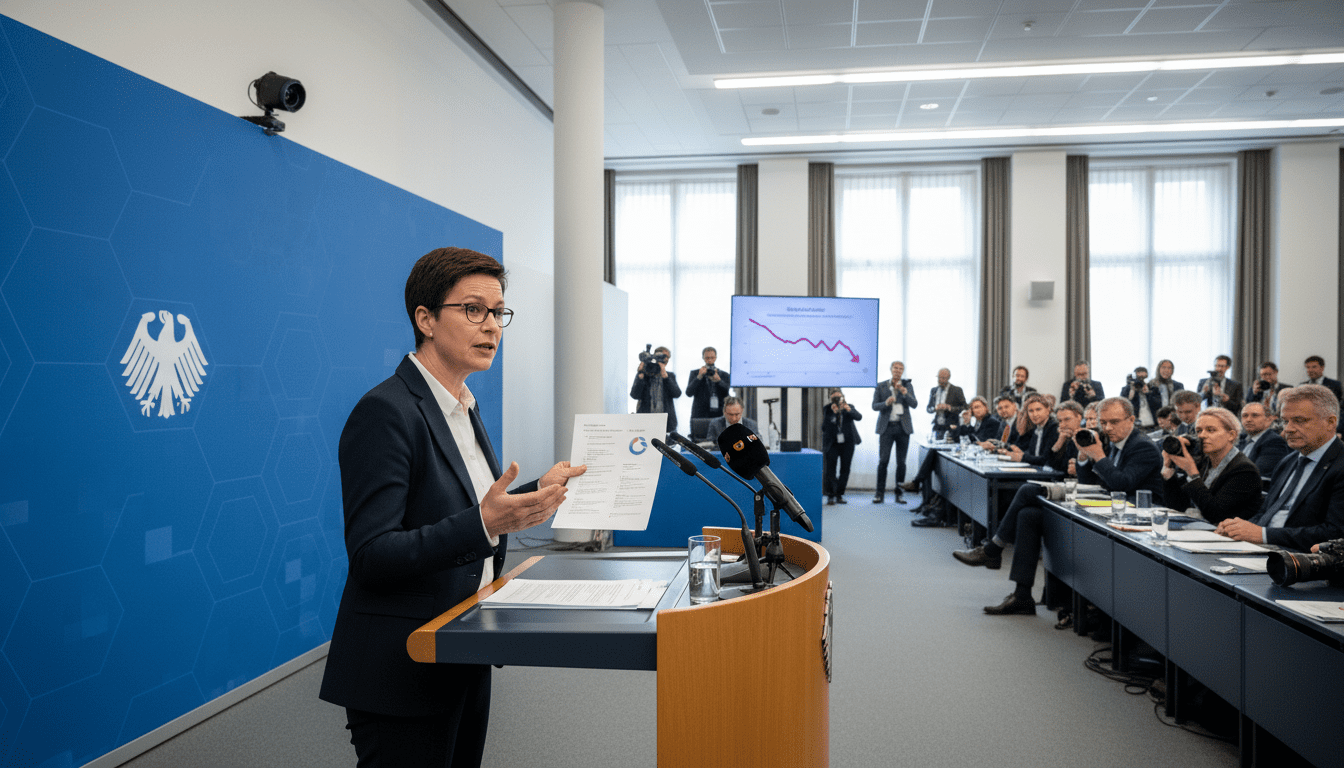
Germany to End Free Spousal Co-Insurance, Health Minister Says
Germany’s Health Minister Nina Warken proposes ending free spousal co-insurance for non-working partners, citing fairness and incentives to boost employment.
Health Minister Announces End to Free Spousal Co-Insurance
Health Minister Nina Warken has proposed removing the automatic, cost-free health coverage that non-working spouses receive under Germany’s statutory insurance system. The plan would mean that spouses without their own employment-based insurance would no longer be covered for free as dependents of an employed partner.
Warken framed the proposal as a twofold policy: reducing perceived inequities in the insurance system and removing what she described as a barrier to labour market participation. The announcement has set off an immediate debate among policymakers, advocacy groups and insurers over the potential social and financial effects.
Government Rationale: Fairness and Work Incentives
The ministry argues that free spousal co-insurance can create distortions that discourage job search and full labour market integration for secondary earners. Officials say the change is intended to align incentives so that household members are encouraged to seek employment or independent coverage rather than rely on a partner’s policy.
Supporters inside the government portray the measure as a modernization of family coverage that would broaden the base of contributors to the health system. They maintain it would also target public resources toward those most in need while making the system more sustainable over time.
What the Change Would Mean for Households
If implemented, the end of free co-insurance would shift costs onto households where one partner does not work or is unable to obtain separate insurance. Affected families could face new monthly premiums or contributions, and some may need to purchase private coverage or enroll in alternative statutory plans.
Experts warn that the financial burden would fall disproportionately on lower-income households and single-earner families, particularly where caregiving or other barriers make employment difficult. At the same time, proponents argue that targeted exemptions or subsidies could be designed to protect vulnerable groups.
Reactions from Parties, Unions and Insurers
Opposition parties and trade unions have raised immediate concerns about the potential impact on social equity and household finances. Labour organizations are likely to press for safeguards to prevent increased uninsured rates or gaps in care for dependents who cannot reasonably enter the workforce.
Insurance companies and industry groups have responded more cautiously, noting the administrative complexity of transitioning many dependents into individually assessed coverage. Some insurers stress that any shift would require careful implementation and clear guidance to avoid coverage interruptions.
Legal, Administrative and Timing Challenges
Translating the proposal into law would require amendments to existing social insurance statutes and would involve coordination between federal and state authorities. Legal experts say the change could trigger litigation over social rights and equality provisions if protections for vulnerable groups are not clearly written into legislation.
Administratively, insurers and employer systems would need to adapt processes for enrollment, contribution collection and eligibility verification. Observers expect a phased approach would be necessary to give households and insurers time to adjust and to prevent immediate disruptions to care access.
Economic and Employment Implications
Policymakers justify the proposal partly on grounds of labour market activation, arguing that removing free co-insurance could increase workforce participation among secondary earners. Economists say the effect will depend on the availability of childcare, training and job opportunities as well as on whether cost increases are offset by subsidies or support measures.
At the macro level, broader coverage of contributors could marginally increase revenues for the statutory system, but the net fiscal impact will hinge on implementation details and any protective measures for low-income families. Analysts caution that without parallel social supports, the measure risks deepening inequality and creating new pressures on households.
Warken’s proposal is likely to be a focal point in upcoming parliamentary debates, with stakeholders across the political spectrum preparing to negotiate exemptions, compensation mechanisms and transition timetables.
The government faces a test in reconciling concerns about fairness and fiscal sustainability with the need to protect vulnerable households and maintain broad access to health care.
