
Germany’s UN Security Council Bid Fails, Prompting Calls for Foreign Policy Rethink
Germany’s UN Security Council bid falls short of votes, prompting calls for a foreign policy rethink as military readiness and economic concerns intensify.
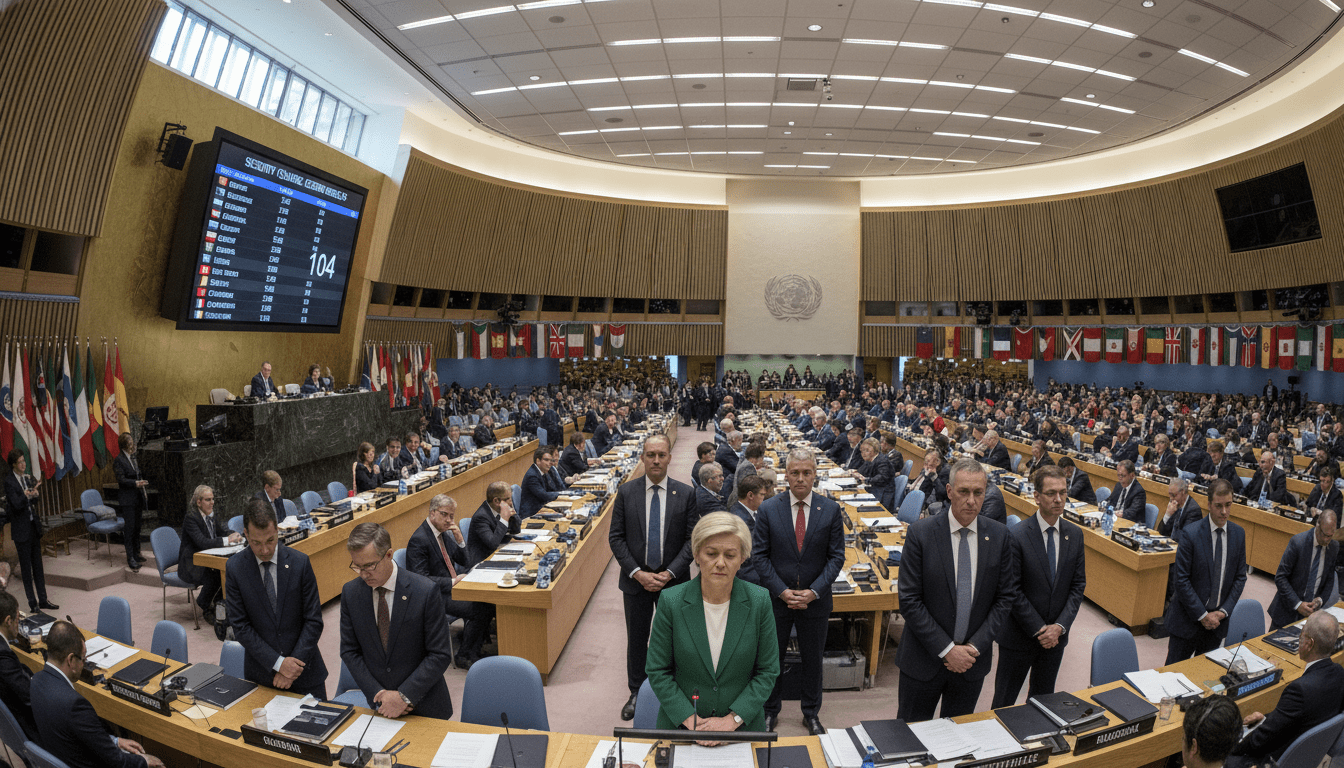
Germany failed in its bid for a non-permanent seat on the UN Security Council, receiving 104 votes against the 127 needed in a secret-ballot election at the United Nations. The result has prompted sharp criticism from opposition parties and within parts of the governing coalition, who argue the outcome reflects a loss of international credibility for German foreign policy. Political leaders in Berlin are already debating strategic adjustments as broader concerns over military preparedness and the domestic economy gain prominence.
Germany’s Failed Security Council Campaign
The unsuccessful campaign has become a focal point for domestic political debate, with critics saying the government misjudged diplomatic engagement and messaging. Supporters of the administration defended its diplomatic record but acknowledged the need to examine campaign strategy and bilateral outreach that precedes UN votes. Diplomats familiar with the process noted that multilateral voting blocs and regional dynamics can be decisive in these elections, complicating predictions even for established candidacies.
Political Fallout in Berlin
Opposition figures characterized the loss as a rebuke of current foreign-policy choices, urging a comprehensive reassessment of priorities and tactics. Members of the governing coalition voiced concern about political costs and signaled plans for internal reviews, with some calling for clearer alignment between Germany’s stated values and its diplomatic actions. Parliamentary debates over the coming weeks are likely to focus on how to restore Germany’s influence in multilateral forums and prevent similar setbacks.
Bundeswehr Repair Backlog Threatens Readiness
Parallel to the diplomatic setback, internal military assessments have highlighted alarming maintenance shortfalls within the Bundeswehr that could undermine operational readiness. An internal report warned of a repair backlog for key armoured vehicles and artillery, with some systems falling far below required availability rates after intensive exercises. Defence officials face pressure to address logistical bottlenecks and spare-parts shortages that critics say weaken Germany’s ability to meet both national and NATO obligations.
Domestic Policy Pressures: Care Reform and Public Sentiment
At home, lawmakers are grappling with reforms to long-term care funding that would raise contributions for childless people and high earners while increasing out-of-pocket costs for some residents in care homes. Proponents argue the measures are necessary to stave off multibillion-euro deficits in the nursing insurance system, while opponents warn of social strain for vulnerable groups. Polling shows the public’s sense of economic unease has deepened, shifting the political terrain as voters rank the national economy above migration as the top policy concern.
EU Moves on Ukraine and Moldova Accession Talks
Brussels officials signalled renewed momentum on enlargement after recent political changes in Hungary, with the EU preparing to open formal negotiating clusters for Ukraine and Moldova. EU diplomats hope to begin the first technical discussions in mid-June, contingent on procedural approval by member states. The prospective start of accession work marks a significant step for both countries, though negotiators caution that full membership remains a lengthy and politically complex process.
International Headlines: Iran, Lebanon, FIFA, and Culture
In Washington, the US House of Representatives adopted a resolution urging the withdrawal of US forces engaged in operations in Iran unless Congress provides explicit authorization, reflecting growing unease ahead of midterm elections. The narrow vote underscored partisan divisions and raised questions about the oversight of overseas military actions.
Negotiations aimed at stabilizing the Israel-Lebanon frontier remain stalled after the Lebanese militia Hezbollah rejected a proposed ceasefire, with militia leaders calling direct talks a “farce.” Regional mediators continue to seek a durable arrangement, but prospects for an immediate resolution appear limited.
Separately, prosecutors in Switzerland have opened inquiries related to financial dealings tied to global football administration, placing the sport’s governing figures under increased scrutiny. And in cultural news, the internationally renowned Franco-Iranian author and illustrator Marjane Satrapi, a prominent voice on freedom of expression and women’s rights, has died, prompting tributes across the arts community.
Germany’s failed UN Security Council bid has arrived amid this crowded international agenda, magnifying scrutiny of Berlin’s diplomatic and defence posture.
The combined weight of foreign-policy criticism, military readiness concerns and economic anxiety creates a demanding environment for Germany’s leaders as they seek to rebuild international trust and shore up domestic resilience.
