
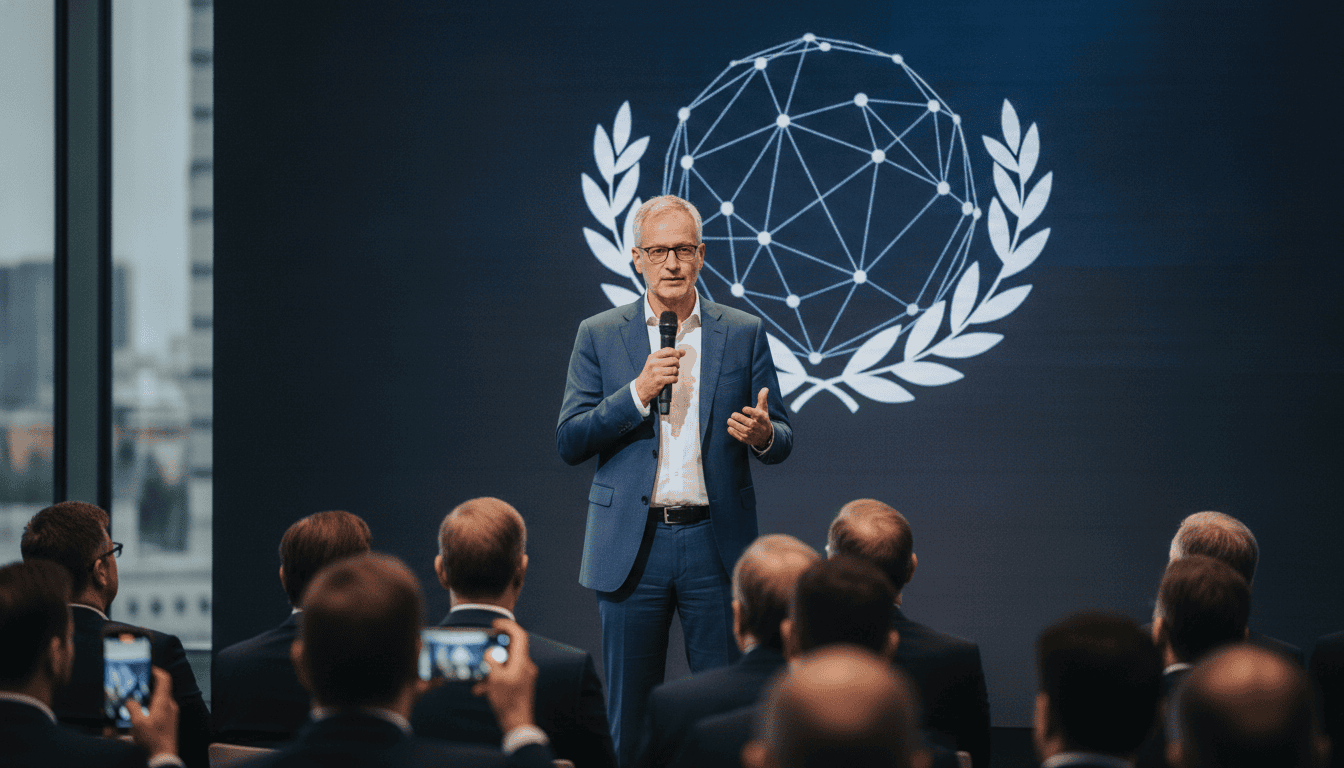
Ralf Reichert Outlines Plan to Elevate Esports with Global Championships and Olympic Ties
Ralf Reichert, head of the Esports Foundation, says professional gaming can become one of the most successful global sports through world championships, strategic partnerships and selective Olympic engagement.
Reichert Frames Esports as a Global Sporting Movement
Ralf Reichert told interviewers that the Esports Foundation aims to professionalize competitive gaming and expand its global footprint. He emphasized that world championships, consistent governance and athlete welfare are central to that ambition. Reichert argued that organized circuits and clear rules will make esports more accessible to sponsors, broadcasters and traditional sports institutions.
World Championships as the Engine of Growth
Reichert regards world championships as the primary vehicle for raising esports’ profile rather than relying solely on Olympic inclusion. He said sustained global events build fan loyalty, create recurring media rights value and provide a dependable calendar for teams and players. According to Reichert, a well-run world championship series can attract long-term investment and deliver the scale necessary to rival established sports properties.
Olympic Involvement Is Strategic, Not Central
While not dismissing the Olympics, Reichert framed Olympic participation as one avenue among many for esports exposure. He noted that the Olympic movement can confer legitimacy, but it also brings complex governance expectations that may not align with every game or format. Reichert stressed a selective approach: collaborate where values and structure match, but continue to develop independent, high-quality global competitions regardless of Olympic status.
Commercial Partnerships and Geopolitical Interest
Reichert acknowledged growing commercial interest from states and private investors seeking to shape the industry’s future. He pointed to partnerships that bring resources and infrastructure, while warning that commercial deals must respect competitive integrity and athlete rights. Reichert emphasized transparency and governance as safeguards when engaging with major investors, including those from regions newly active in esports financing.
EWC-Foundation’s Roadmap for Professionalization
Under Reichert’s leadership, the Esports Foundation plans to standardize athlete contracts, tournament operations and anti-doping measures. He said the foundation will offer best-practice frameworks for organizers and work with leagues to harmonize schedules. Reichert also highlighted investment in youth development, coaching pathways and broadcast production as essential steps to turn esports into a mainstream spectator sport.
Balancing Innovation with Player Welfare
Reichert repeatedly returned to the subject of player health and career longevity as critical to sustainable growth. He advocated for regulated seasons, minimum standards for prize distribution and support programs for retired professionals. Reichert argued that when players have predictable careers and post-competition pathways, the industry gains credibility with families, schools and public institutions.
Broadcasting, Rights and Fan Engagement
Reichert sees improved broadcast standards and rights management as pivotal to unlocking commercial value. He believes that higher production quality and consistent scheduling will help esports reach broader audiences beyond existing fan bases. Reichert also emphasized interactive formats and community-driven content as competitive advantages for esports compared with traditional sports.
Leadership, Governance and International Cooperation
Reichert calls for stronger international cooperation among organizers, federations and platforms to prevent fragmentation. He said the Esports Foundation will act as a convening body to align standards and mediate disputes. Reichert maintained that clearer governance structures will encourage sponsors and public institutions to engage without fear of unpredictability.
Reichert also reflected on the tension between rapid commercial expansion and the need for stable institutional frameworks. He warned that unchecked growth can create short-term gains but long-term instability, and urged stakeholders to prioritize durable systems over quick returns.
Reichert described his own leadership approach as pragmatic and collaborative, focused on building consensus across diverse regional markets. He highlighted the foundation’s role in providing technical expertise and impartial oversight to emerging leagues and event organizers.
Reichert noted that different game genres require tailored governance models and that a one-size-fits-all approach would fail. He underscored the foundation’s intention to develop modular standards adaptable to fighting games, team shooters, sports simulations and new competitive formats.
Reichert also addressed public concerns about integrity and inclusivity, proposing transparent adjudication mechanisms and investment in grassroots programs. He said diversity initiatives and clear anti-harassment policies will be part of the foundation’s baseline requirements for sanctioned events.
Reichert confirmed that the foundation will pilot several flagship world championship events designed to demonstrate professional operations and commercial viability. These pilots, he said, will test broadcast packages, venue logistics and athlete support systems in varied markets.
Reichert expressed confidence that successful pilots will attract broadcasters, sponsors and national federations, creating a virtuous cycle of investment and audience growth. He indicated the foundation is preparing guidelines for host city selection, venue standards and local legacy programs to ensure events leave lasting benefits.
Beyond the boardroom, Reichert revealed a personal interest in sailing, describing the sport as a counterbalance to the digital intensity of esports. He said sailing helps him think strategically and provides perspective on risk, teamwork and environmental stewardship.
The Esports Foundation under Reichert plans measured expansion: build exemplary global championships, align with partners where values match, and strengthen governance to protect players and the sport’s future.
