
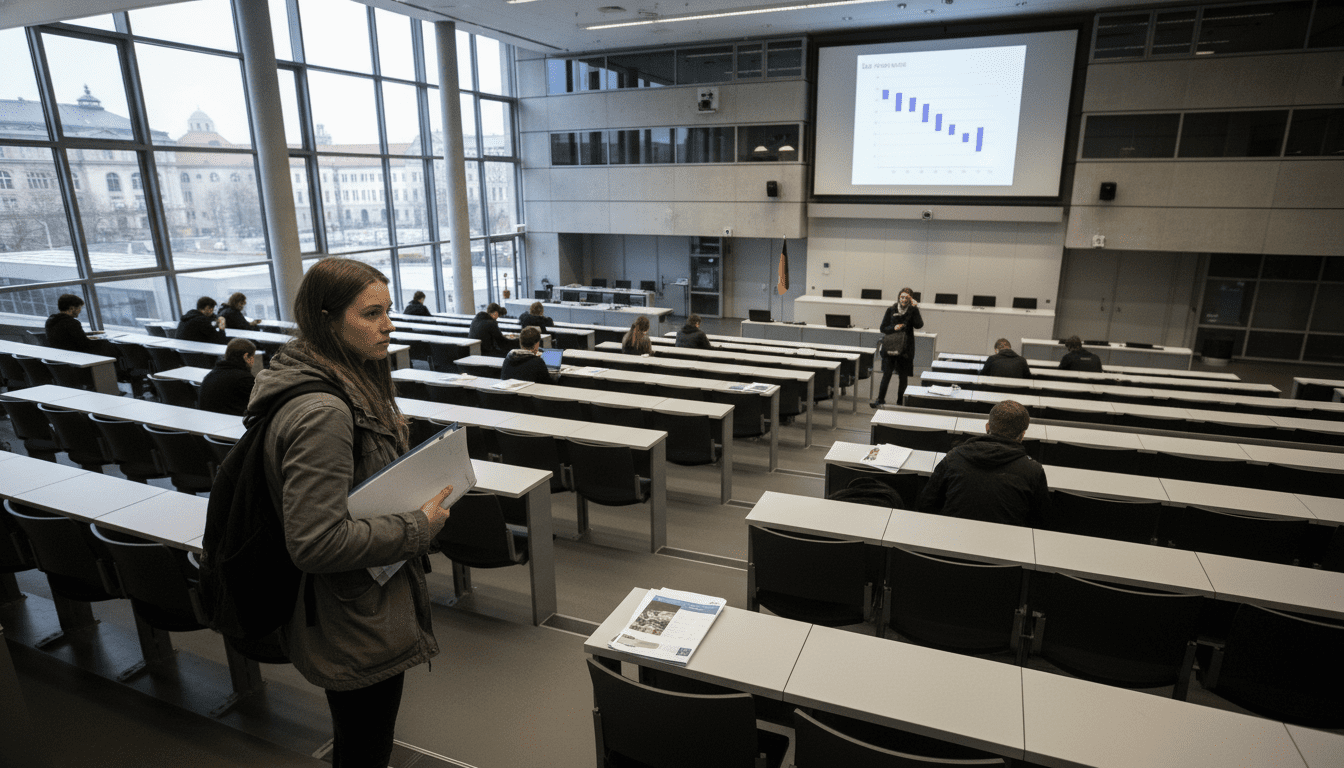
BAföG access dwindles as only 11% of students apply, raising alarm over educational mobility
BAföG access dwindles as only 11% of students apply, raising alarm over educational mobility
Germany’s long-standing student grant, BAföG, is being claimed by a shrinking share of pupils and university students, with uptake falling to roughly 11% among higher-education students. The decline reflects rising housing costs, stringent parental-income calculations, and a pervasive fear of debt that discourage low‑income families from applying. Policymakers warn that the trend risks reversing gains in social mobility and worsening future labor-market and social welfare pressures.
BAföG uptake and symbolic importance
BAföG remains the most significant state subsidy for children from low‑income households seeking vocational training or university study. Yet its symbolic role is undermined as fewer eligible young people use the program, eroding a key pathway for upward mobility. Observers say the shrinking applicant pool signals both practical shortcomings in the benefit level and broader systemic barriers that prevent access.
Parental‑income rules and family benefit trade‑offs
Current BAföG rules count parental income fully when assessing entitlement, frequently producing the maximum eligible rate for the poorest families but also creating perverse incentives. For some students, receiving BAföG can alter family benefit calculations and, in the worst cases, worsen the household’s position under social assistance schemes such as Bürgergeld. That risk prompts many eligible candidates to forgo applications to avoid destabilizing family support arrangements.
Housing costs far outpace BAföG levels
Dramatic increases in rents have outstripped adjustments to BAföG payments, leaving students—especially those from modest backgrounds—unable to cover basic living expenses even with support. Many potential applicants cite fear of long‑term debt and unaffordable accommodation as reasons to delay or abandon study plans. Policymakers and advocates argue that without a meaningful housing allowance or higher grant levels, BAföG cannot fulfill its purpose.
Coalition pledges and unmet reforms
The governing coalition pledged to protect social spending for children and families and to raise BAföG rates along with the housing cost allowance. Those promises are increasingly viewed as unfulfilled by critics who point to steady or widening gaps between support and actual needs. The disconnect between rhetoric and outcomes has fueled concern that younger generations are being deprioritized amid competing budget demands for an aging electorate.
Early‑childhood language deficits and missing interventions
Experts highlight poor German language proficiency among children from migrant and socioeconomically disadvantaged homes as a fundamental barrier to educational success. Current efforts to screen language skills at kindergarten age fall short because testing is not matched by mandatory, sustained language support. Several federal states lack consistent follow‑through on compulsory interventions and the qualified specialist workforce required to close early learning gaps.
Rising school dropouts and regional concentrations
Recent figures show a sharp increase in students leaving school without a qualification, with over 64,000 young people doing so last year—an increase of more than one third in three years. The rise is not evenly distributed: five states report dropout rates above ten percent, making them acute regional hotspots. Analysts warn that higher dropout rates will translate into greater long‑term costs for social services and fewer skilled workers for the economy.
Investing in early, targeted measures and reallocating educational resources according to social need are central recommendations from researchers and school leaders. Strategies proposed include socioeconomically weighted funding, genuine full‑day schooling with academic and pastoral support, and incentives to attract and retain highly qualified teachers in disadvantaged schools. Proponents argue that such measures would reduce dropouts and improve BAföG take‑up by strengthening the pipeline from early education to higher study.
Longer‑term fiscal choices will determine whether BAföG regains its effectiveness as a lever for social mobility or becomes a dwindling symbol of unfulfilled promise. Without prompt adjustments to grant levels, housing assistance, and the regulations that deter applicants, the gap between political commitments and students’ lived realities is likely to widen. The choices made now will shape the size and skills of tomorrow’s workforce and the resilience of Germany’s social safety net.
