
Inclusion reform in Germany sparks alarm as parents warn pooling and cuts could weaken individual support
Proposed inclusion reform in Germany prompts parents’ alarm as pooling, cuts to child support and bureaucratic delays threaten individualized school assistance.
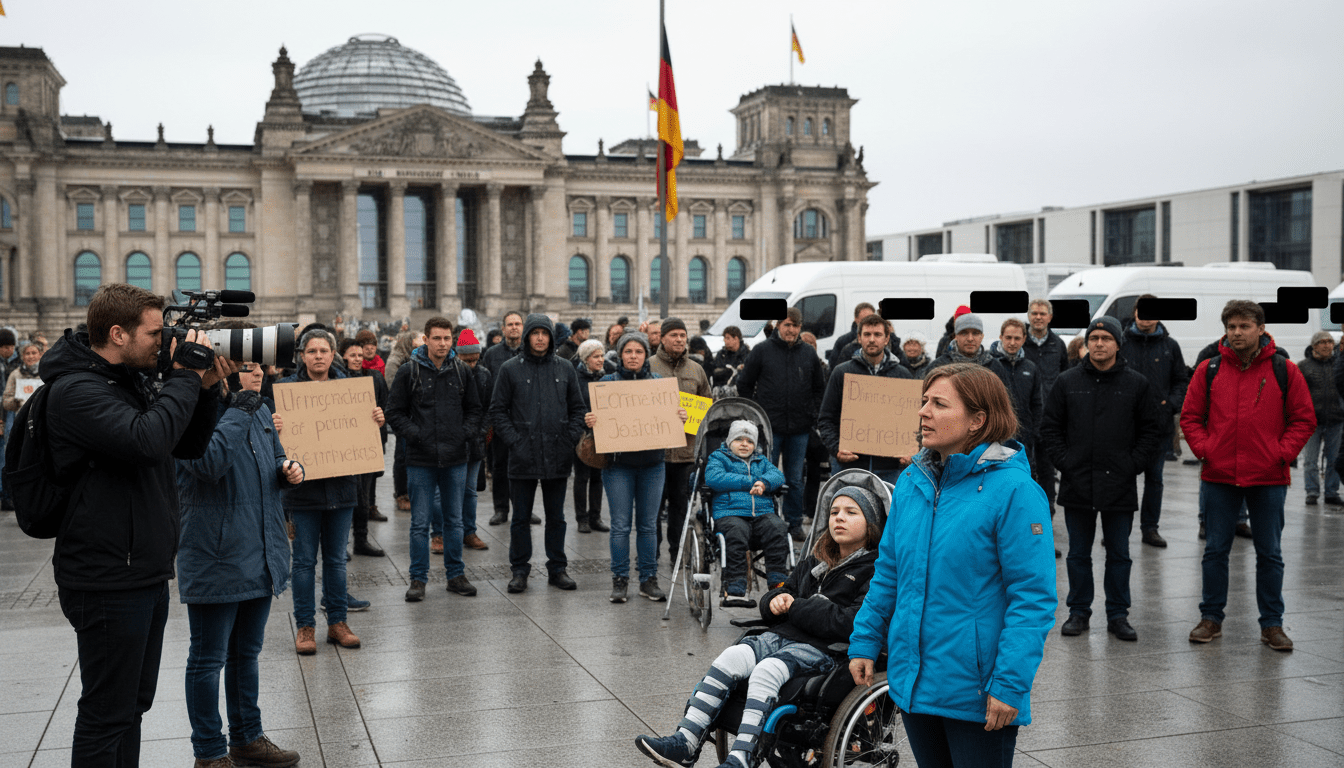
Simone Brugger, a mother caring for a son with severe needs, says recent policy proposals could make daily life harder for families relying on one-to-one support. The debate around an inclusion reform in Germany has focused attention on potential cuts to individualized aid, the shortening of child support payments, and the introduction of staff “pooling” in schools. Advocacy groups and affected parents say those changes risk masking staffing shortages and eroding care that families depend on.
Government labels the proposal an ‘uncoordinated working paper’
The federal government has sought to downplay initial reporting by calling the document a non-final working paper compiled from cost-saving ideas across federal, state and local levels. Kanzleramtsminister Thorsten Frei described the draft as “uncoordinated” and not yet subject to formal decision-making during a Bundestag exchange. Officials say the paper is part of broader fiscal discussions, but it has nevertheless triggered concern because it contains concrete measures affecting inclusion and family support.
Possible reduction to child support advance worries single parents
One notable item under consideration is a proposal to shorten the duration of the state child maintenance advance (Unterhaltsvorschuss), a benefit for single parents when an ex-partner fails to pay. Historically, the allowance was limited to children up to age 12 until 2017, and some proposals suggest a return to that threshold. SPD family politicians have declared the measure a red line they will not accept, warning it would leave many single parents financially exposed.
Pooling proposal aims to reduce costs but raises care concerns
A central component of the draft would replace individualized case-by-case assistance with a pooled support model in schools, a change the government says could reduce long-term expenditures. The ministry’s draft estimates a large savings potential, including a projected 2.7 billion euros starting in 2036 attributed mainly to a shift away from one-to-one supports. Critics say the math ignores the practical consequences for children who currently receive dedicated school assistance and for families who rely on predictable, individualized arrangements.
Parents and advocates say pooling masks staffing shortages
Families and disability advocates argue that pooling would conceal an existing lack of trained personnel by simply shifting responsibilities onto underqualified assistants. Simone Brugger and activists from the initiative “Familie sind alle” contend that current school assistants are often low-paid and lack formal training, and that assigning them to multiple children would increase risk and responsibility without improved qualifications. Campaigners say a reform should first professionalize the workforce through formal training paths rather than broaden the remit of unregulated aides.
Bureaucracy and case examples highlight administrative gaps
Brugger recounts prolonged administrative hurdles when reapplying for bus and school escorts after lengthy hospital stays and homeschooling periods. She says the change of funding authorities required new approvals that took months, forcing the school to cover costs in the interim and creating significant stress for the family. Parents point to such cases as evidence that streamlining decision-making — for example by trusting specialist medical and social-pediatric recommendations — could reduce delays and lower overall costs.
Political responses show divisions within the coalition
Within the governing coalition opinions diverge, with some CDU politicians urging a sober, fact-driven debate while municipal representatives warn of unsustainable costs for local budgets. Family Minister Karin Prien’s office circulated a reform draft intended to coordinate services for children with and without disabilities, a move some initial observers welcomed as aligning with international disability conventions. Yet opposition figures, including the Left party’s parliamentary leader, argue the plan could amount to a “drastic deterioration” for many families unless safeguards and financing commitments are clarified.
Calls for a structured reform process are growing louder, with affected parents demanding a seat at the table and workforce advocates pushing for formal qualifications for school-assistants. Municipalities say rising expenditures for individualized supports have strained local finances, which is driving the search for savings, but they also acknowledge that blunt cuts could shift costs and burdens back onto families. Lawmakers face the task of balancing fiscal pressures with legal obligations under the UN Convention on the Rights of Persons with Disabilities.
The coming weeks will determine how much of the working paper translates into legislative proposals, and whether reformers will prioritize workforce development and procedural simplification over immediate cost reductions. Families like Brugger’s want assurances that medical and educational assessments will be respected and that one-to-one support will remain available where specialists recommend it. As debate continues, parents, unions and local authorities are preparing to press lawmakers for transparent impact assessments and guarantees that savings plans will not undermine individualized care.
