
Debate Over Retirement at 70 Intensifies After Court and Commission Clash
Germany’s debate over retirement at 70 intensifies as constitutional judges say the subsistence minimum is protected and commission members publicly reject a proposal to raise the pension entry age.
Court Affirms Subsistence Minimum
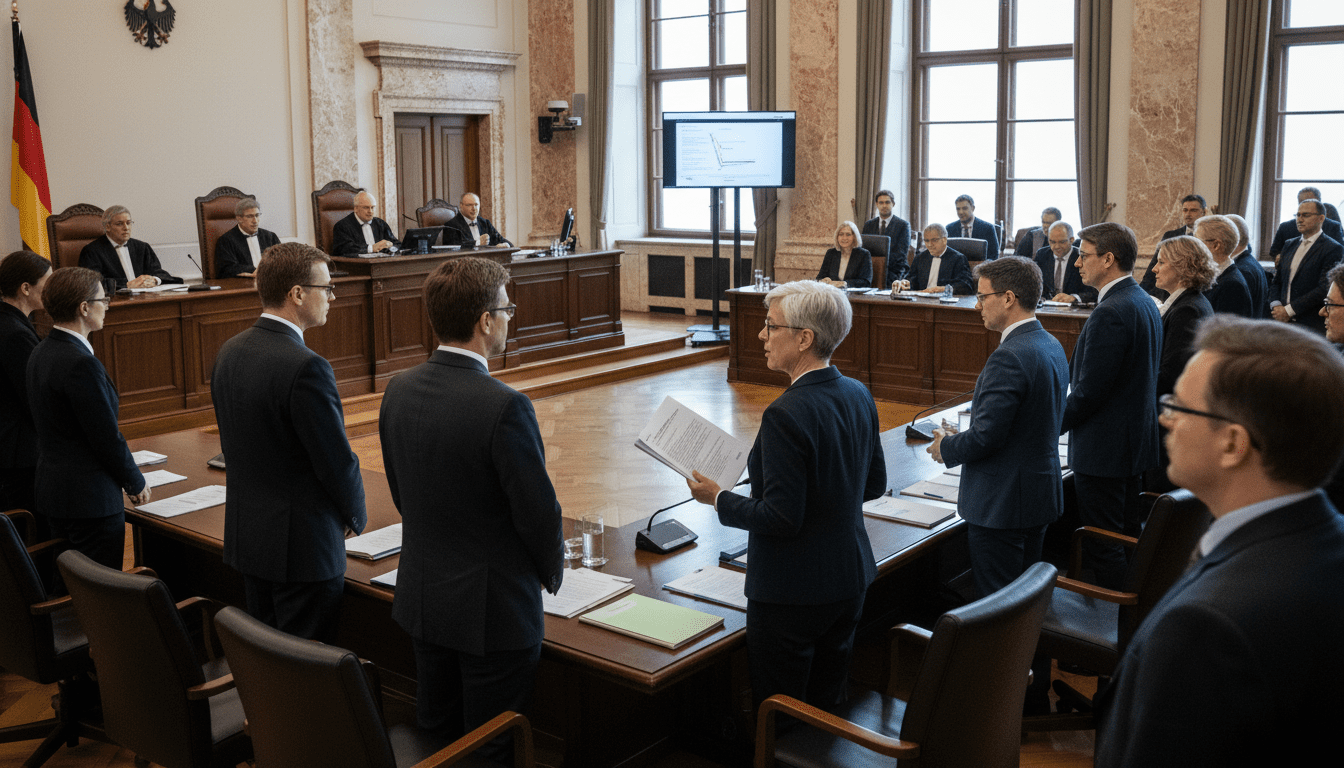
Judges at Germany’s Federal Constitutional Court said the human-dignity based subsistence minimum remains safeguarded in their recent deliberations. The statement came amid public concern that pension reforms could undermine basic living standards for elderly citizens. The court’s position framed the legal boundaries within which any retirement reform, including proposals to raise the pension age, must operate.
Commission Members Reject Retirement at 70
Several members of the government-appointed pension commission rejected media reports and parts of a draft that suggested raising the statutory retirement age to 70. Commissioners said the circulated report did not represent a consensus and that characterizations focusing on a single age figure oversimplify a complex set of policy options. The repudiation underscores divisions within advisory bodies tasked with addressing demographic and fiscal pressures on Germany’s pension system.
CDU Workers’ Wing Calls Higher Age a Wrong Step
The CDU’s Arbeitnehmerflügel, the party’s labor-minded wing, described any move toward a higher statutory retirement age as the “wrong step” for workers and vulnerable groups. Party figures warned that raising the entry age would disproportionately affect those in physically demanding jobs and employees with interrupted careers. Their statement reinforced a broader political sensitivity to redistributive effects when discussing pension age adjustments.
Political and Social Responses Widen the Debate
Reactions to the commission’s disputed report and the court’s comments have rippled across party lines and among social partners. Labor unions and advocacy groups for pensioners voiced concerns about fairness and adequacy of benefits, while some fiscal conservatives reiterated the need to consider longer working lives in light of demographic trends. The debate is shaping up as a central fault line for upcoming parliamentary discussions and public opinion.
Unions emphasized that any reform must be accompanied by sector-specific protections, retraining measures and early retirement options for those in hazardous careers. Employers and some economist voices pointed to sustainability challenges, arguing that without adjustments to contribution periods, pension funds face long-term strain. These competing priorities have complicated prospects for a clear legislative compromise.
Implications for Pension Policy and Governance
The clash between the court’s reassurance on minimum guarantees and the commission’s internal dissent highlights the legal and political constraints on pension reform. Lawmakers will need to reconcile constitutional protections with fiscal sustainability, balancing intergenerational equity against social justice. Policy options under consideration include gradual adjustments, incentives for later retirement, and targeted support for low-income or high-risk workers.
Analysts note that framing and consensus-building will be decisive; technical adjustments alone are unlikely to persuade skeptical constituencies. Any proposal perceived as bluntly shifting financial burdens onto older or less advantaged workers risks triggering protests and political fallout. As a result, incremental measures and compensatory policies are emerging as more politically viable paths.
Next Steps for the Reform Process
Parliamentary committees and relevant ministries are expected to review the disputed report and the commission’s clarified positions in the coming weeks. Lawmakers may call hearings with commission members, union leaders and pension experts to test viable policy mixes. The timetable for formal legislative proposals will depend on whether a cross-party agreement can be brokered and whether the government prioritizes pension reform in its legislative agenda.
Observers expect public consultations and sectoral analyses to play a larger role before any statutory changes are advanced. Opposition parties and social organisations have signalled they will scrutinise proposals closely, particularly measures affecting retirement income adequacy and access to early retirement pathways.
The contest over retirement at 70 has crystallised broader anxieties about age, work and social protection in Germany, turning a technical policy discussion into a headline political dispute. The coming weeks will determine whether advisory bodies, courts and legislators can align on a path that reconciles legal safeguards with demographic realities, or whether the issue becomes a persistent source of partisan tension.
