
U.S. Begins Blockade in the Strait of Hormuz, Trump Announces
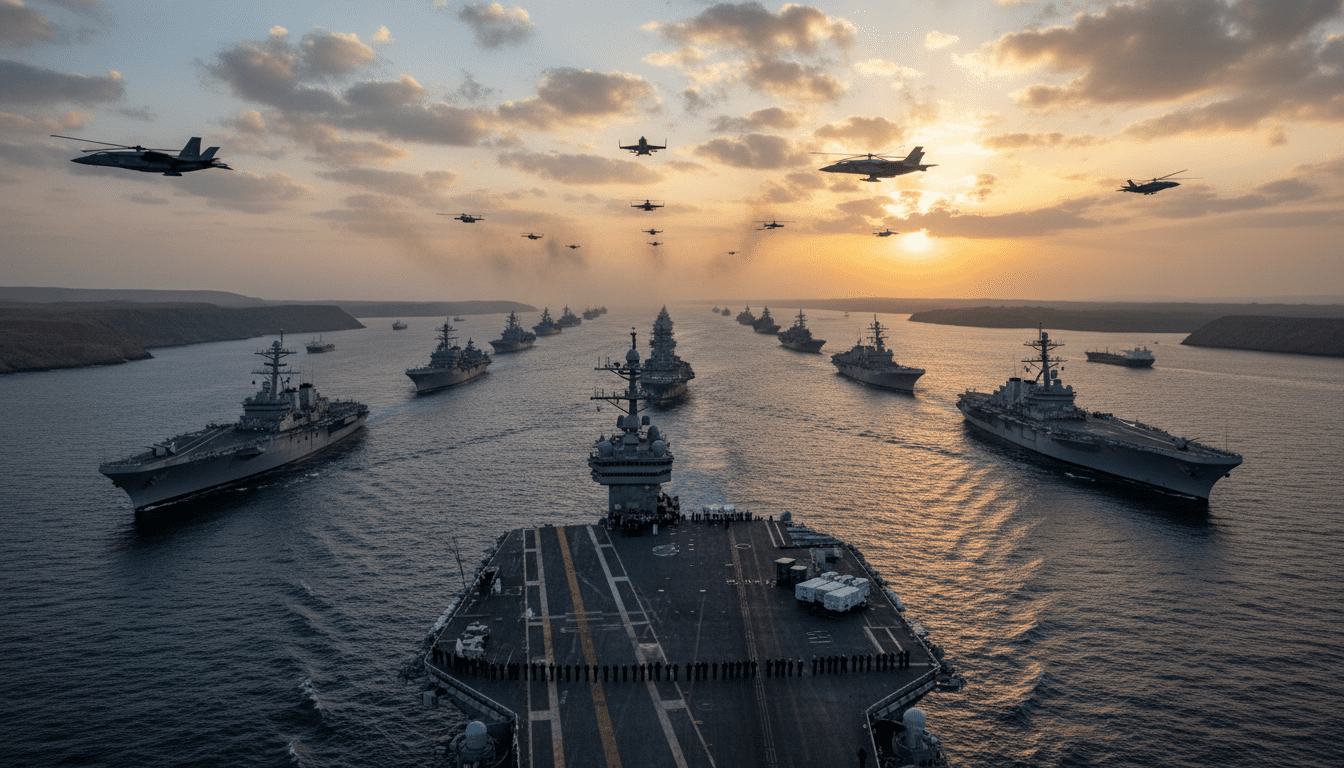
U.S. forces have begun a blockade in the Strait of Hormuz, President Trump announced on April 13, 2026, after talks with Iran ended without a breakthrough.
Opening: U.S. Announces Strait of Hormuz Blockade
On April 13, 2026, President Trump said the United States had initiated a blockade in the Strait of Hormuz, signaling a stepped-up effort to halt maritime commerce linked to Iran. The president framed the move as a measure tied to national interest and economic pressure following unsuccessful negotiations. The announcement followed a weekend of talks between American and Iranian negotiators that officials described as failing to produce a breakthrough.
The president characterized the blockade as effective immediately, saying commercial traffic tied to Iran had been halted, and that the policy would remain until U.S. objectives were met. The declaration elevates tensions in a strategic maritime corridor and marks a significant shift in U.S. posture in the Gulf.
Details of the U.S. Statement and Presidential Remarks
White House officials said the blockade was designed to prevent Iranian-linked vessels from conducting business that could finance or support Tehran’s regional activities. In his public remarks, the president emphasized restraint from direct ground combat even as he asserted a firm maritime posture. The administration described the action as targeted and intended to maximize economic pressure while minimizing broader military escalation.
Officials declined to disclose the precise rules of engagement or the criteria used to identify vessels subject to interdiction. Military spokespeople said naval units and coalition partners would enforce the restriction, but they did not provide a timetable for how long operations would continue.
Diplomatic Talks with Iran End Without Breakthrough
American and Iranian negotiating teams held talks over the weekend that concluded with no agreement, according to U.S. sources. Negotiators had been discussing a range of issues, including nuclear constraints, regional de-escalation, and the release of detained foreign nationals. The failure to reach terms appears to have prompted the administration to pivot from diplomacy to economic containment.
Iranian officials have not yet issued a detailed response to the blockade announcement, and formal diplomatic channels remain open but strained. Analysts said the collapse of the recent talks removes a primary pressure-release valve and increases the risk of reciprocal measures.
Impact on Shipping Routes and Energy Markets
The Strait of Hormuz is a critical maritime chokepoint for global energy and commodities flows, and any reduction in traffic can ripple through international markets. Shipping companies, insurers and commodity traders are monitoring the situation closely for disruptions that could drive freight costs and insurance premiums higher. Market participants warned that prolonged restrictions would likely cause volatility in oil and gas prices and complicate logistics for global supply chains.
Some vessels may seek alternative routes or reflagging options to avoid interdiction, but such measures add time and expense to maritime trade. Ports and energy infrastructure along the Arabian Gulf are also reviewing contingency plans to handle potential bottlenecks and rerouted cargoes.
Legal and Military Implications of a Blockade
A naval blockade carries significant legal and military implications under customary international law, and it is typically treated as a use of force unless narrowly tailored and justified. Legal advisers within governments and international bodies will scrutinize the declaration, its targets and whether neutral shipping is being unduly affected. The administration has argued the measure is a defensive economic step tied to national interest; opponents contend that blockades can escalate into broader confrontations.
On the military side, enforcement requires sustained naval assets, maritime domain awareness and rules to distinguish sanctioned from neutral commerce. The risk of incidents at sea rises when multiple navies operate in close quarters with differing mandates, and that risk could prompt calls for deconfliction mechanisms among regional and extra-regional powers.
Regional and International Responses So Far
Allies and trading partners were reported to be assessing the announcement and its implications for regional security and commerce. Gulf states, European capitals and major shipping nations have historically called for freedom of navigation while urging restraint from actions that could disrupt trade. International institutions and maritime organizations may now be pressed to issue guidance to carriers and insurers operating in the area.
Commercial stakeholders have already begun internal assessments of exposure, with some shipping firms reviewing itineraries and cargo manifests to limit economic losses. Insurance underwriters typically respond to such geopolitical shifts by adjusting premiums for transits through affected waters, a move that would further increase costs for seaborne trade.
Outlook: Risks, Responses and the Path Forward
Experts say several scenarios are possible in the weeks ahead, ranging from short-term containment to prolonged standoff and reciprocal measures by Tehran. Diplomatic backchannels could still produce de-escalatory agreements, but the public breakdown of talks reduces near-term optimism. The blockade’s duration, scope and enforcement details will shape whether it remains a calculated pressure tactic or becomes the flashpoint for wider confrontation.
For now, maritime operators and governments will watch for further clarification from Washington and any countermeasures from Iran. The international community faces a narrow window to balance efforts to reduce risk, preserve trade flows and prevent an escalation that could draw more states into the dispute.
