
New bodycam video shows UK police arrest dying teen Henry Nowak after false accusation
Newly released bodycam video appears to show UK police officers arresting 18-year-old Henry Nowak as he lay dying from stab wounds after being falsely accused of racially abusing a Sikh man. The footage, published 2 June 2026, has renewed calls for scrutiny of police conduct and prompted fresh demands for accountability.
Footage released on 2 June 2026
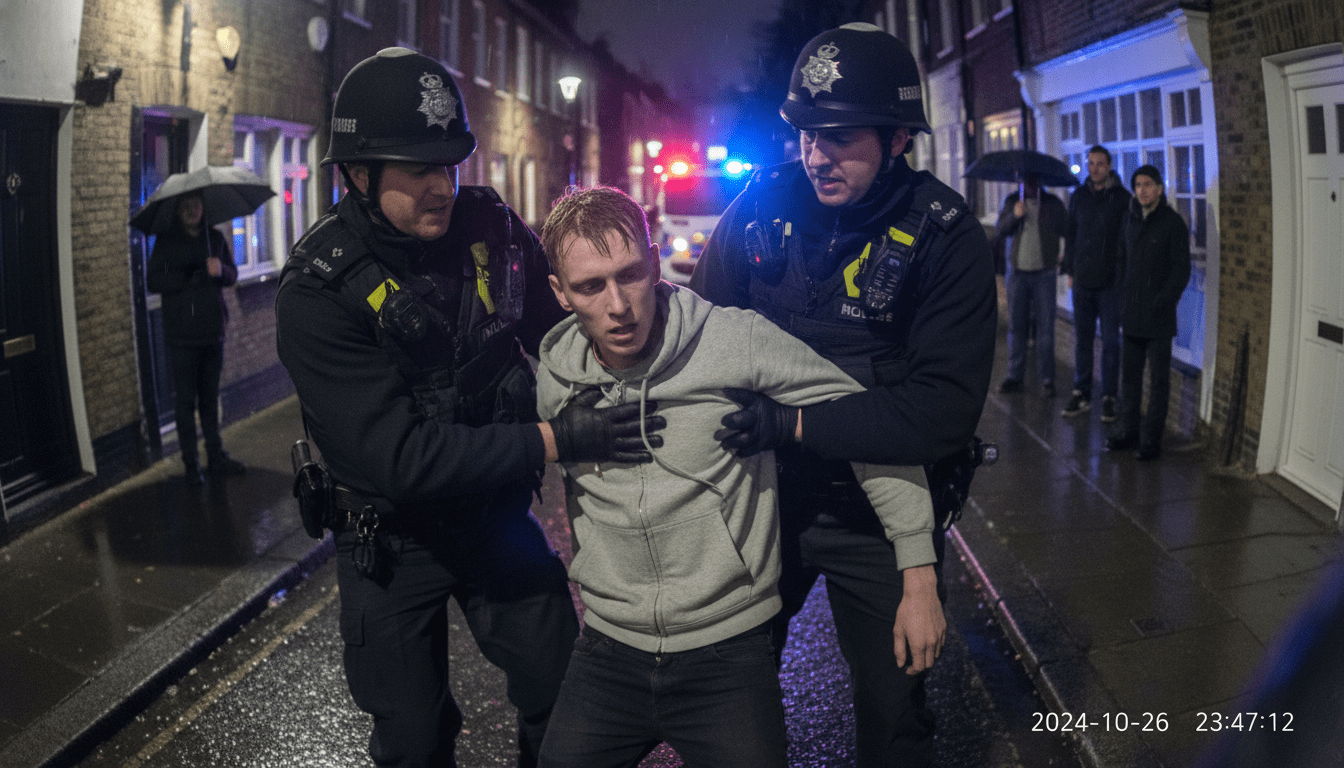
The bodycam video was disclosed on 2 June 2026 and captures officers detaining Nowak at the scene while he was still suffering from critical stab injuries. The images show emergency personnel and police in close proximity as the teenager is restrained and handcuffed. Viewers and commentators have highlighted the timing of the arrest relative to Nowak’s visible distress.
Police statements accompanying the release have been limited, and officials have not provided a full public account explaining why officers arrested Nowak before medical treatment was completed. Legal observers say the footage raises urgent questions about on-scene decision-making and priorities when a person is clearly injured.
Accusation, assault and subsequent conviction
According to court records and reporting, Nowak had been accused of racially abusing a Sikh man, an allegation that later proved unfounded. The man named in initial reports, Vickrum Digwa, was convicted of murdering Nowak in a separate criminal proceeding. Digwa’s conviction confirmed that the accusation against Nowak did not justify the events that followed.
Prosecutors in the murder trial established that Nowak died from stab wounds, and a jury subsequently found Digwa guilty. The juxtaposition of the false accusation, Nowak’s injuries and the later murder conviction has intensified scrutiny of how the incident was handled by bystanders and responding officers.
What the video shows and what remains unclear
The bodycam footage shows officers approaching Nowak and placing restraints on him as medics attend to his stab wounds. It does not, however, include the full sequence leading up to the arrival of emergency services, nor does it capture pre-arrival decisions made by callers or other civilians. These gaps have been cited by advocates who say a full timeline is necessary to assess whether protocol was followed.
Investigators and independent oversight bodies typically rely on multiple sources — 911 transcripts, CCTV, witness statements and officer interviews — to reconstruct incidents. Rights groups are calling for the prompt release of those materials to ensure the public can evaluate the broader context surrounding the arrest and medical response.
Police accountability and oversight responses
Civil liberties organisations have seized on the footage to demand independent inquiries into the conduct of the responding officers. Advocates argue that arresting a severely injured person can constitute a breach of duty of care and could violate established police guidelines on the treatment of vulnerable or wounded individuals.
Police oversight bodies have announced that they will review the footage as part of routine post-incident processes in cases involving death or serious injury. It is not yet clear whether disciplinary procedures will follow or whether criminal investigations into the officers’ actions will be opened. Legal experts note that any formal inquiry will need to determine whether officers had reasonable grounds to arrest at that moment.
Public reaction and community impact
The release of the bodycam video has stirred public concern and prompted statements from local community leaders. Several groups representing ethnic minority communities have described the footage as deeply troubling and called for transparency from police forces. Demonstrations and vigils in support of Nowak and his family have been reported in the days after the footage emerged.
Family members of Nowak and legal representatives for the deceased have demanded a full, independent review and have criticised what they describe as delays in releasing key evidence. Community organisers say the case has amplified pre-existing tensions over policing practices and the treatment of young people during emergency responses.
Legal avenues and next steps
Lawyers for Nowak’s family have indicated they will explore civil remedies and press for further disclosure of investigative materials. Civil claims could focus on wrongful arrest, negligence in medical care or failures in duty of care by officers on the scene. Those pursuing litigation will seek a comprehensive evidentiary record, including dispatch logs and officer bodycam policies.
Separately, oversight agencies and prosecutors must decide whether the conduct captured on video warrants disciplinary action or criminal charges against responding officers. The outcome will hinge on a detailed review of all available evidence and on whether officers’ actions deviated from statutory duties or professional guidelines.
The newly released bodycam video has intensified scrutiny of the actions of responding officers and renewed calls for transparency from police and investigators as families and communities seek answers about the arrest of Henry Nowak while he was dying from stab wounds.
