
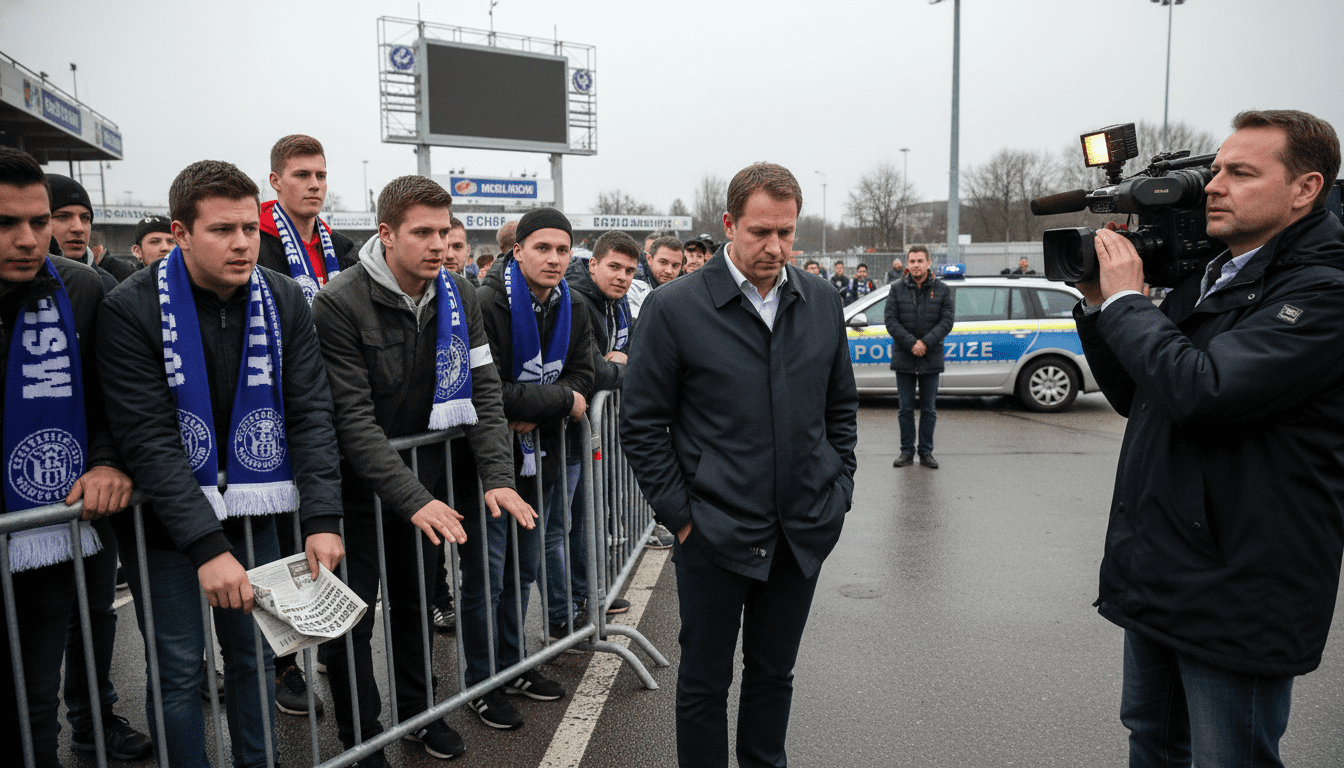
TSV 1860 Munich denied 3. Liga license after investor funding shortfall, risking relegation
TSV 1860 Munich denied a 3. Liga license after investor Hasan Ismaik failed to deliver funds, risking relegation to the Regionalliga and triggering a DFB review.
The DFB has not granted TSV 1860 Munich a licence for the coming 3. Liga season after the club failed to produce the required liquidity proof by the 17:00 deadline, the club announced. The board said the shortfall stems from an unmet financing commitment from majority shareholder Hasan Ismaik and associated companies, leaving the historic Bavarian club facing an enforced drop to the Regionalliga unless the decision is overturned.
Missing funds and the immediate shortfall
The club reported that roughly €2.7 million is absent from the licensing accounts required by the German Football Association. That gap prevented the submission of the final liquidity certification by the licensing deadline, the club said.
The DFB will carry out a final review of the case before issuing a binding decision on league placement and any associated sanctions. Until that review concludes, uncertainty will persist over the club’s status for next season.
Investor dispute at the center
The financing shortfall is tied directly to Hasan Ismaik’s company HAM International, which holds the majority stake in the 1860 operating entity. The shareholder had been expected to provide loan guarantees and funding that the club says were not fulfilled in time.
Ismaik has acknowledged the situation in messages reported by German media, calling it a “sad day,” but also maintained in recent comments that rebuilding from a lower division would not be a disgrace. The standoff included a demand by the investor for contractual concessions in exchange for funding.
Legal and financial maneuvers by the club
TSV 1860’s management disclosed that it has taken legal steps to contest the investor’s termination of loan agreements and is working with insolvency and finance specialists to preserve operations. The club said it will collaborate with sponsors and advisors to develop a viable path forward.
Chief executive Manfred Paula expressed regret that a shareholder financing promise was not kept, and pledged that the club will focus on assembling a competitive squad for the Regionalliga should relegation be confirmed. The statement framed the effort as a preservation of the club’s rights and continuity.
Historical parallels to the 2017 crisis
The current crisis echoes a previous episode in 2017 when a similar refusal by Ismaik to fund required payments contributed to 1860’s drop from professional leagues into the Regionalliga. At that time, the club had also confronted large shortfalls and had to rebuild from the fourth tier.
Observers say the recurrence highlights the ongoing governance tensions between the club’s membership structures and the majority shareholder, and underlines the financial vulnerability that can arise when essential financing is concentrated in a single external investor.
Potential ripple effects in the league
If the DFB confirms license denial and relegation, FC Erzgebirge Aue and TSV Havelse are among the clubs likely to be considered as replacements in the 3. Liga. The licensing and league placement process will dictate which clubs move up to fill any vacant professional spots.
Beyond sporting consequences, relegation would affect sponsorship agreements, player contracts and broadcasting arrangements, increasing pressure on the club to secure stable backing and to resolve shareholder disputes quickly.
Outside interest and stalled sale attempts
Hasan Ismaik’s HAM International acquired a controlling share in 2011 and has been linked to multiple attempts to sell or restructure his stake. A potential sale to a Swiss investor collapsed in mid‑2025, and more recently former national team player Thomas Hitzlsperger signalled interest and said he had engaged in constructive talks with club and investor representatives.
Hitzlsperger holds other football investments and has been mentioned as a possible buyer or partner, a development that could change the club’s financial outlook if a deal is concluded promptly and accompanied by binding funding assurances.
The club and its supporters now face a tense period as the DFB completes its review, legal contests proceed and potential investors weigh options. The outcome will determine whether TSV 1860 Munich remains a professional third‑division side or must once again rebuild in the Regionalliga.
