
German politics: Left MP Jan van Aken cites health reasons as tensions rise over energy, health cuts and fuel rebate
Jan van Aken’s health-related exit strains German politics as SPD urges an energy cabinet; health cuts face criticism and a fuel rebate may begin May 1.
Jan van Aken, a prominent politician from the Left (Die Linke), has cited health reasons in announcing that he will step back from active duties, a move that has added pressure to an already fractious political climate. The development coincides with calls from the SPD parliamentary deputy Wiese for the creation of an energy-security cabinet and growing criticism of proposed savings in the health system. Meanwhile, the government is debating a fuel rebate that could take effect on May 1, intensifying debate over short-term relief versus long-term budgets.
Jan van Aken cites health reasons and steps back
Jan van Aken told colleagues he needed to reduce his workload for health reasons, prompting questions about short-term continuity in Left Party representation. Party officials said they respect his decision and will discuss interim arrangements to cover his committee responsibilities. Observers note the timing complicates negotiations on domestic policy items where Die Linke is an influential voice.
The announcement has prompted quick reactions across party lines, with allies offering support and opponents framing the move as an additional complication for coalition talks. Staffers and parliamentary partners are preparing for a temporary redistribution of duties while the Left Party finalizes any longer-term personnel changes.
SPD deputy Wiese pushes for an energy-security cabinet
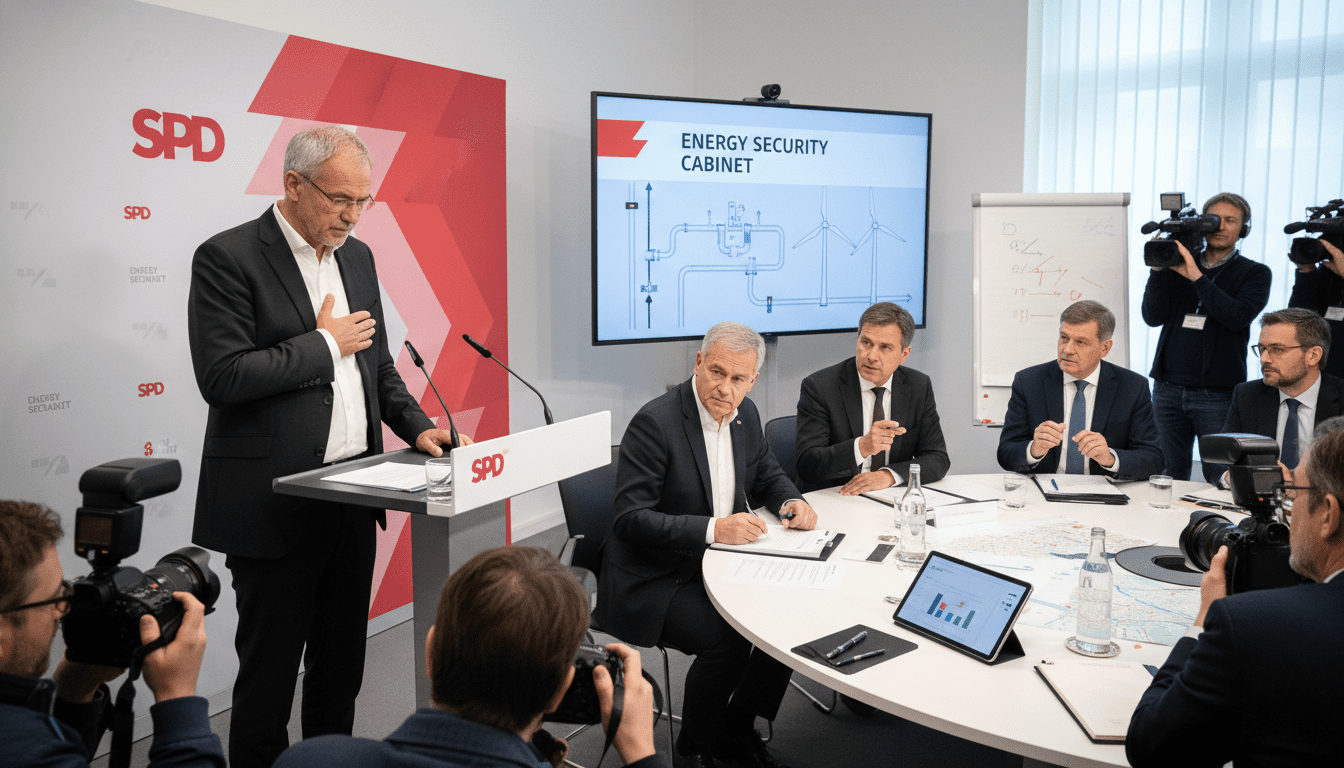
SPD parliamentary deputy Wiese has publicly urged the government to establish a dedicated energy-security cabinet to coordinate responses to volatile global markets and domestic supply concerns. Wiese argued that a focused cabinet would streamline decision-making and improve crisis readiness, particularly ahead of policy debates on energy pricing and infrastructure. The proposal reflects wider unease in Berlin about the government’s speed and coherence in addressing energy risks.
Coalition partners reacted cautiously, acknowledging the need for greater coordination while warning against creating additional bureaucratic layers that could slow immediate action. Analysts say the suggestion underscores tensions between short-term political optics and the structural changes some officials believe are necessary for longer-term energy security.
Criticism mounts over Warken’s health-system savings plan
Health Minister Warken’s proposed austerity measures for the health system have drawn considerable criticism from patient groups, medical associations and opposition parties. Critics warn that the savings plan could reduce access to care and shift costs to patients at a time when many households are still coping with inflationary pressures. Health sector representatives called for a more detailed impact assessment before any cuts are implemented.
Supporters of the plan argue that efficiency measures are needed to stabilize public finances and ensure the sustainability of health provision. The debate has become a focal point for broader disagreements about fiscal priorities and the balance between austerity and social protection in current budget planning.
Fuel rebate debate intensifies as May 1 date cited
The government is weighing a fuel rebate — known as a tankrabatt — that could be implemented from May 1 to provide immediate relief at the pumps for consumers. Proponents say the measure would offer fast assistance to households and businesses facing high transport costs, while detractors caution it may be costly, temporary and blunt in addressing long-term energy transition goals. Economic advisers have highlighted trade-offs between short-term stimulus and the need to maintain incentives for lower-emission transport.
Transport and environmental groups have pressed for targeted alternatives, such as means-tested support or measures that encourage a shift to public transit and cleaner mobility. The debate adds to the broader energy-policy tensions that have prompted calls for the specialized energy-security cabinet.
Political fallout and implications for coalition dynamics
The confluence of a high-profile withdrawal for health reasons, renewed calls for structural changes in energy policy, contentious health-system savings and a potential fuel rebate is testing coalition cohesion. Parties are juggling conflicting priorities: responding quickly to voter concerns, preserving fiscal discipline and negotiating institutional reforms. The situation has increased the pace of shadow negotiations and behind-the-scenes consultations between coalition partners.
Political strategists caution that unresolved disputes could erode public confidence if they spill over into visible gridlock or inconsistent messaging. Conversely, successful compromise on one or more of these issues could provide an early governance win and stabilize the coalition’s standing ahead of further legislative battles.
Next steps and the parliamentary calendar
Parliamentary committees are expected to take up the health-savings plan and the fuel rebate proposal in the coming weeks, with party leaders signaling an urgency to reach agreements before May. If the fuel rebate is approved, implementation would be coordinated with federal and state authorities to ensure an orderly roll-out and avoid market disruption. On the health front, stakeholders have called for hearings and impact analyses to clarify consequences for hospitals and insured patients.
As discussions continue, parties will also need to address any staffing gaps created by van Aken’s reduced role to ensure committee work proceeds without interruption. The combined pressure of immediate policy choices and personnel changes is likely to keep German politics under close public scrutiny in the near term.
The interplay between short-term relief measures, structural reform proposals and individual departures highlights the delicate balancing act facing lawmakers as they respond to social, fiscal and energy challenges.
