
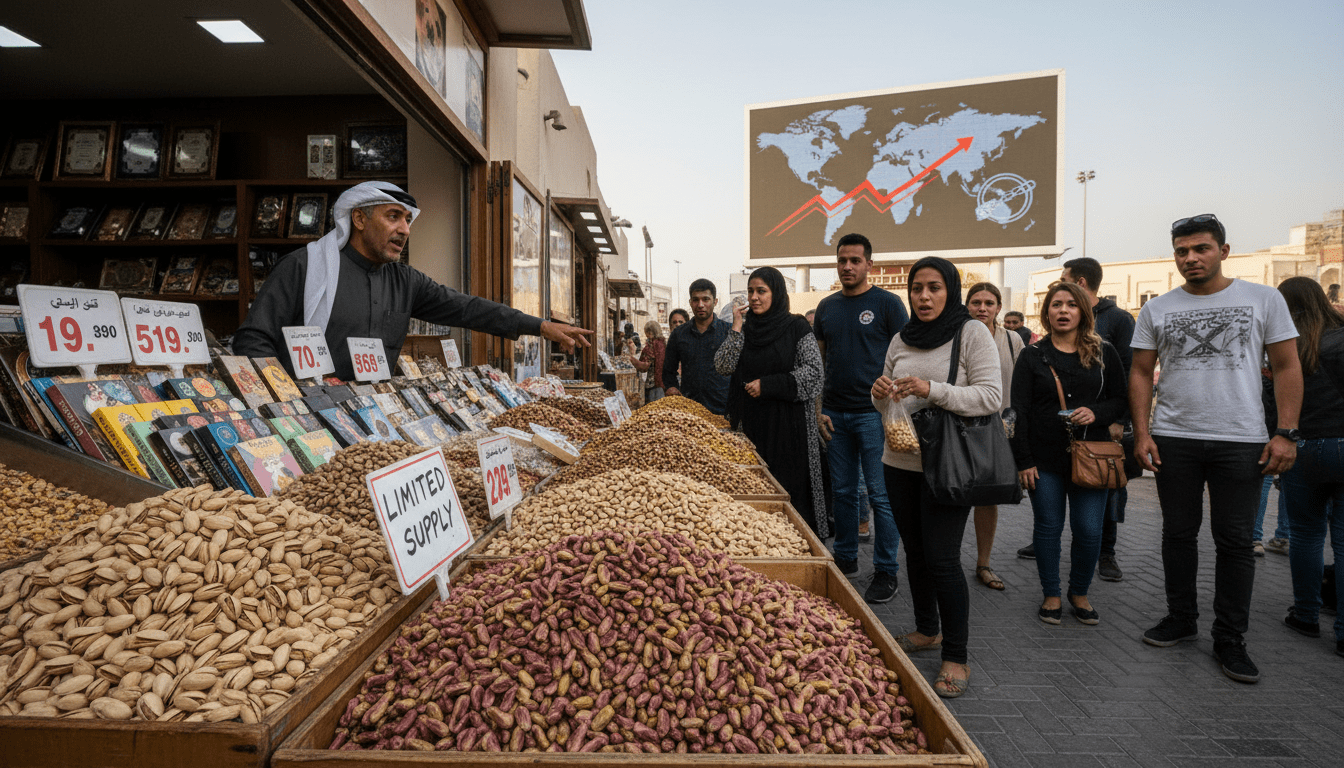
Iran conflict triggers global pistachio crisis, pushing prices for luxury confections
Iran’s conflict disrupts pistachio exports, triggering a global pistachio crisis that raises prices and benefits California growers while squeezing confectioners.
The outbreak of war involving Iran has fractured a key supplier route for pistachios, sending prices higher on international markets and igniting concerns in the confectionery supply chain. Traders and manufacturers report tighter availability of Iranian kernels, a staple for premium chocolates and regional specialties, leaving buyers scrambling for alternatives. The sudden supply shortfall is reshaping trade flows and elevating the economic stakes for growers outside the Middle East.
Iran conflict disrupts pistachio exports
Iran has historically been one of the world’s largest pistachio exporters, and hostilities have interrupted harvesting, transportation and shipment cycles. Sanctions, shipping risks and damaged infrastructure have compounded physical shortages, according to traders and industry analysts familiar with recent export patterns.
Ports and overland corridors that once moved large volumes of nuts to markets in Europe and the Gulf are reporting delays, reduced capacity and higher freight costs. That disruption has translated into tighter inventories at import hubs and a surge in futures and spot prices for raw pistachios.
Luxury confectionery and Dubai demand face price shock
Retailers and chocolatiers in luxury markets such as Dubai are already feeling the impact as pistachio prices feed into product costs. Bakers and confectioners who rely on Iranian kernels for texture and flavor are assessing whether to absorb costs, reformulate recipes, or pass increases to consumers.
Some specialty producers warn that items like pistachio-studded chocolates, baklava and premium nougats could become significantly more expensive or limited in availability during the peak summer season. Industry buyers in the Gulf and Europe are seeking alternative suppliers to avoid disruptions to holiday and tourism-driven sales.
California producers expand acreage and profits
California growers, who supply much of the non-Iranian pistachio market, are emerging as the primary beneficiaries of the supply gap. Reports from trade groups indicate U.S. exports are rising as buyers shift procurement away from higher-risk origins and toward more stable sources.
Producers in Kern and Fresno counties have accelerated planting and are optimizing yields to capture higher global prices, but the lead time for new orchards means expanded output will take years to materialize. Meanwhile, farmers already in production are realizing stronger margins as demand outpaces immediate supply.
Logistical barriers and export sanctions compound shortages
Beyond crop availability, a web of logistical and regulatory obstacles is tightening the market. Insurance premiums for vessels calling at regional ports have climbed, and some carriers are rerouting to avoid geopolitical flashpoints, extending transit times and raising costs.
Additionally, firms that previously relied on established credit arrangements for Iranian imports are confronting compliance checks and payment challenges. Those financial frictions are prompting larger buyers to prepay, accept longer lead times, or switch to sellers in North America and the Mediterranean.
Traders and manufacturers seek substitutes
Faced with limited access to Iranian pistachios, manufacturers are diversifying ingredient sourcing and adjusting product formulations. Some confectioners are blending smaller proportions of pistachios with almonds or hazelnuts, while others are emphasizing chocolate varieties that do not rely on nuts to sustain sales.
Commodity traders are also moving to tighten supply contracts and increase speculative buying to hedge against further price spikes. These strategies can reduce short-term disruption but risk amplifying volatility if a swift resolution in Iran restores normal flows.
Market forecasts and policy responses
Analysts say the pistachio crisis could persist through the next harvest cycle, depending on the course of the conflict and the speed of recovery for export infrastructure. Price forecasts now reflect a higher baseline for the coming 12 to 18 months, with periodic spikes if new supply cannot be mobilized quickly.
Policymakers and industry groups in importing regions are watching for opportunities to ease bottlenecks, including fast-tracking inspections for alternative suppliers and coordinating with logistical partners to secure transit windows. Any diplomatic or logistical measures that restore predictable trade routes would be the quickest path to easing pressure on prices.
The pistachio crisis underscores how regional conflicts can ripple into unexpected corners of global consumption, affecting everything from high-end confections in Dubai to everyday bakery items in Europe. As buyers, growers and governments respond, the balance between short-term mitigation and longer-term supply adjustments will determine whether consumers see temporary price bumps or a sustained reshaping of the market.
