
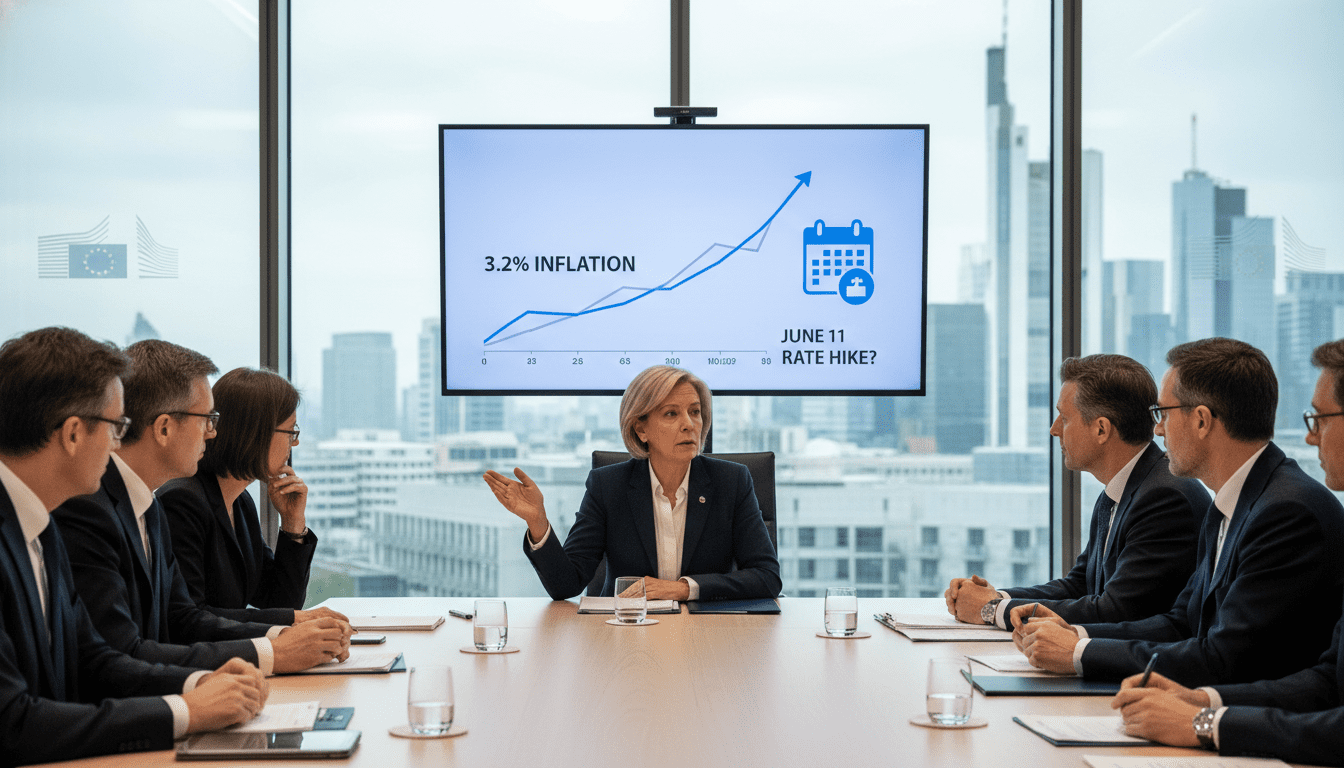
Eurozone inflation rises to 3.2% as energy and geopolitical shocks push prices higher
Eurozone inflation rises to 3.2% as Middle East tensions and energy policy shifts tighten prices; ECB faces pressure before its June 11 policy meeting.
Eurozone inflation rose to 3.2 percent in May, driven by higher energy costs and geopolitical tensions tied to the Iran conflict, officials reported. The uptick heightened concerns about persistent price pressures across the currency bloc even as Germany recorded a modest month-on-month slowdown largely attributed to a temporary fuel rebate. Markets and policymakers are now watching closely as the European Central Bank prepares for a pivotal policy decision on June 11.
Inflation jump tied to Middle East tensions and energy costs
The May increase in Eurozone inflation reflects renewed upward pressure on energy and commodity prices related to the Iran conflict, which disrupted markets and pushed input costs higher. Core inflation measures, which strip out volatile energy and food items, remain elevated in several member states, underscoring broader underlying price momentum.
Analysts said that while some categories showed softening, the net effect of supply concerns and energy market volatility was enough to lift the headline inflation rate. Consumers may face continued cost pressures in services and energy-sensitive sectors until supply-side risks ease.
Germany’s decline linked to temporary fuel rebate, not sustained easing
Germany recorded a 0.3 percentage point reduction in its headline inflation for May, but authorities cautioned that the decline was primarily the result of a month-long fuel rebate that expired at the end of the period. Without permanent structural easing in prices, the German decrease is unlikely to signal a durable disinflationary trend for the wider Eurozone.
Economists warned that once the rebate ended, fuel and transport costs could rebound, potentially reversing much of the short-term moderation. The German example illustrates how one-off policy measures can obscure underlying inflationary dynamics across the region.
ECB faces tougher balancing act before June 11 meeting
The uptick to 3.2 percent increases the stakes for the European Central Bank ahead of its June 11 policy meeting, where markets expect a reassessment of the interest-rate path. A decision to raise the main refinancing rate would aim to reinforce the fight against inflation but could raise borrowing costs for households and businesses, particularly for mortgages and construction loans.
Higher policy rates typically benefit savers through improved deposit returns, yet they also make new home loans and existing variable-rate mortgages more expensive. The ECB will have to weigh the persistence of inflation against risks to growth and financial stability while signaling its intention clearly to avoid market disruption.
Climate outlook worsens as El Niño risk raises 2027 temperature concerns
Separately, meteorologists warned that unusually warm sea surface temperatures in the tropical Pacific are signaling the onset of El Niño, a pattern associated with global weather extremes. The World Meteorological Organization has flagged the possibility that 2027 could become the hottest year on record if the pattern strengthens and persists.
El Niño episodes are linked to increased risk of droughts, floods and heatwaves in different world regions, which could amplify economic and humanitarian pressures. The potential for record-breaking global temperatures adds a further layer of uncertainty to economic planning and disaster preparedness.
European migration policy shifts to permit deportation centres outside EU territory
EU legislators reached a compromise allowing member states to establish deportation centres in third countries for rejected asylum seekers, a significant tightening of migration policy that still requires final approval. The agreement, struck in late-night talks, must clear both the parliamentary plenary and the national governments before it becomes operational.
Officials mentioned Uganda among potential partner countries and noted that some member states have already begun outreach. Human rights groups and some national authorities have raised legal and ethical concerns about outsourcing migration enforcement beyond European borders.
Security, domestic politics and regulatory disputes shape the broader agenda
Meanwhile, Israel reported a record high in arms export contracts for 2025, with defence firms securing deals valued in the tens of billions of dollars, reflecting global demand for systems tested in recent conflicts. Domestically in Germany, plans to raise student BAföG support face uncertainty as political backing within the governing coalition appeared to waver, threatening a planned increase in housing allowances for students this coming academic year.
A small delegation of AfD lawmakers is scheduled to attend an economic forum in St. Petersburg from June 3 to 6, an itinerary that has drawn scrutiny because of the event’s high-level Russian sponsorship. At the same time, the European Commission’s proposed pesticide regulatory changes have drawn criticism from scientific bodies for lowering safeguards that protect human health and the environment.
The coming days are likely to bring focused debate in capitals and Brussels as policymakers respond to the twin pressures of rising Eurozone inflation and a fraught geopolitical backdrop, while also confronting shifting domestic political priorities and regulatory disputes.
