
Israeli strikes on Lebanon kill 12 as clashes intensify ahead of US-brokered talks
Israeli strikes on Lebanon killed at least 12 people and damaged thousands of homes, officials said, as raids struck south of Beirut and other areas ahead of US-brokered Lebanon-Israel talks in Washington.
The Lebanese health ministry reported 12 fatalities after strikes that targeted vehicles and populated areas, mostly south of Beirut, according to official statements communicated on Wednesday. The state-run National News Agency said the Israeli military struck more than 30 locations in the south and at least one town in the east, intensifying operations despite an existing ceasefire framework. Lebanon’s National Council for Scientific Research added that more than 10,000 homes have been damaged or destroyed since the truce began nearly four weeks ago. The fresh bombardment comes on the eve of direct negotiations between Lebanon and Israel scheduled to take place in Washington under U.S. mediation.
Casualties and official tallies
The Lebanese health ministry released casualty figures Wednesday that put the death toll at 12 people, with additional wounded reported in several hospitals. Officials said many of the fatalities occurred when strikes hit vehicles, complicating efforts to evacuate the injured and hampering first-responder access. Local medical sources described strained emergency services as hospitals coped with incoming patients and shortages of supplies. Authorities cautioned that figures are preliminary and could rise as search-and-rescue operations continue.
Areas hit and scale of operations
State media reported strikes on more than 30 distinct locations, concentrated in southern districts that have been frequent flashpoints during the recent flare-ups. At least one town in Lebanon’s eastern region was also struck, marking an expansion of the operational footprint beyond the southern border area. Residents in targeted areas reported the sound of explosions and intermittent communications outages, while humanitarian agencies noted disrupted supply routes. Military officials on both sides have maintained limited public comment, leaving precise targeting rationales largely opaque.
Damage to housing and infrastructure
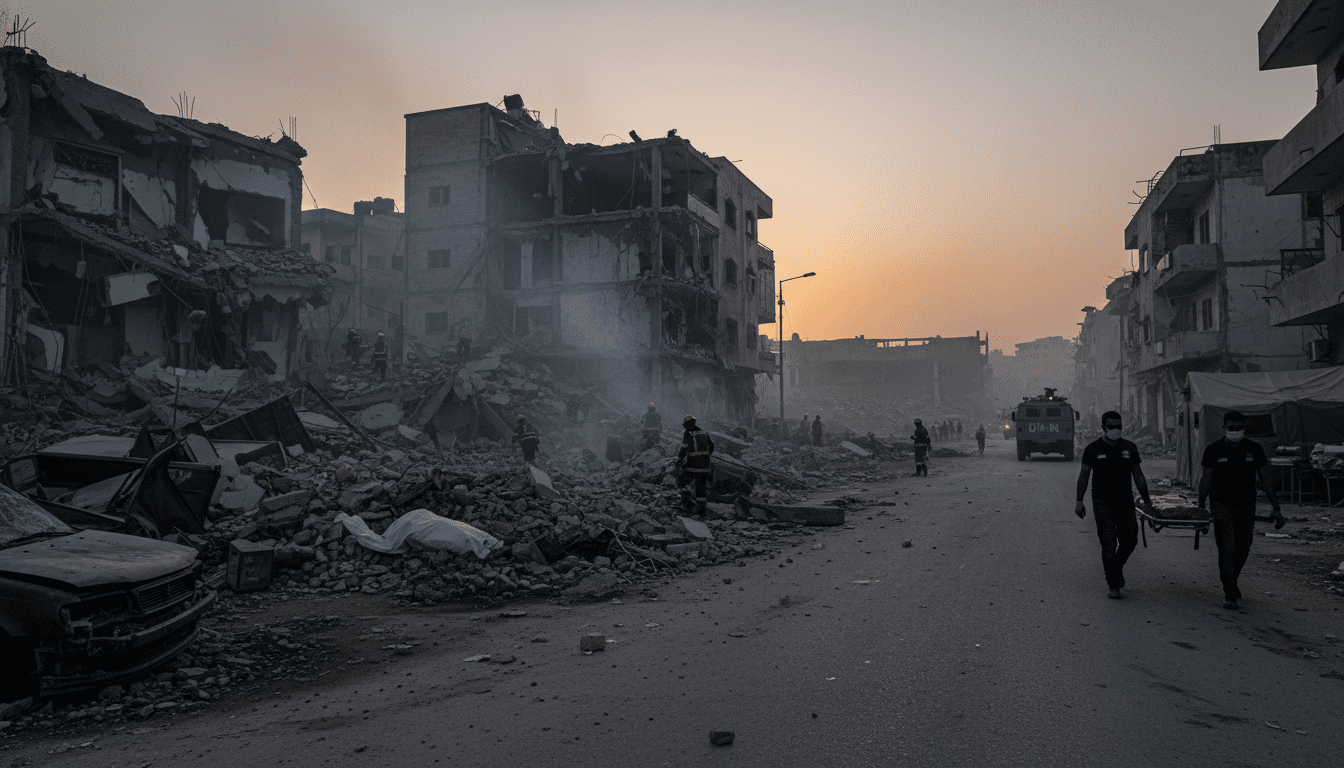
Lebanon’s National Council for Scientific Research assessed that over 10,000 homes have been damaged or destroyed since the truce began almost four weeks ago, a figure that underscores the cumulative toll on civilian infrastructure. Reports from municipal authorities describe collapsed buildings, shattered windows, and localized power outages in affected towns and villages. Aid workers warned that extensive housing damage will complicate shelter provision as temperatures rise and displacement continues. Municipal and regional teams face an immediate challenge in clearing debris and restoring basic services to impacted communities.
Diplomatic timeline and Washington meetings
The strikes occurred on the eve of a new round of direct Lebanon-Israel negotiations to be hosted in Washington and facilitated by U.S. officials. The upcoming talks, arranged amid fragile ceasefire arrangements, aim to address longstanding border and security disputes that have fueled recurrent escalations. American interlocutors have emphasized the need for progress on de-escalation mechanisms and safeguards for civilian areas, though details of the agenda remain limited. Diplomats cautioned that renewed violence ahead of the sessions jeopardizes the conditions needed for constructive engagement.
Hezbollah’s position and domestic politics
Hezbollah has publicly signaled strong opposition to the Washington-brokered negotiations, framing direct talks with Israel as unacceptable absent broader guarantees and accountability measures. The group’s leadership argued that any agreement must address what it describes as persistent Israeli aggression and the safety of Lebanese territory. Political leaders in Beirut are divided, with some factions supporting negotiations as a pragmatic way to reduce cross-border incidents and others echoing Hezbollah’s skepticism. Analysts said the internal debate complicates Lebanon’s ability to present a unified negotiating stance in the upcoming talks.
Humanitarian implications and regional risks
Humanitarian organisations warned that continued strikes and housing destruction will exacerbate an already fragile relief situation, increasing risks for displaced families and straining limited aid delivery channels. The loss of shelter, water, and electricity in affected areas raises immediate protection concerns, particularly for children and older adults. Regional observers noted that escalations during sensitive diplomatic windows can rapidly widen, drawing in additional actors and creating spillover risks across the border. International agencies urged all parties to avoid actions that could further endanger civilians and undermine diplomatic efforts.
The events of Wednesday underscore the fragility of the current ceasefire and the complex interplay between military actions and diplomatic initiatives, as communities on both sides of the border confront mounting humanitarian and security challenges ahead of the scheduled Washington talks.
