
Iran economy recovery imperiled as ceasefire frays after new attacks
Iran economy recovery faces fresh setbacks as tanker strikes, cross-border strikes and soaring inflation deepen political and fiscal strain ahead of mediated talks.
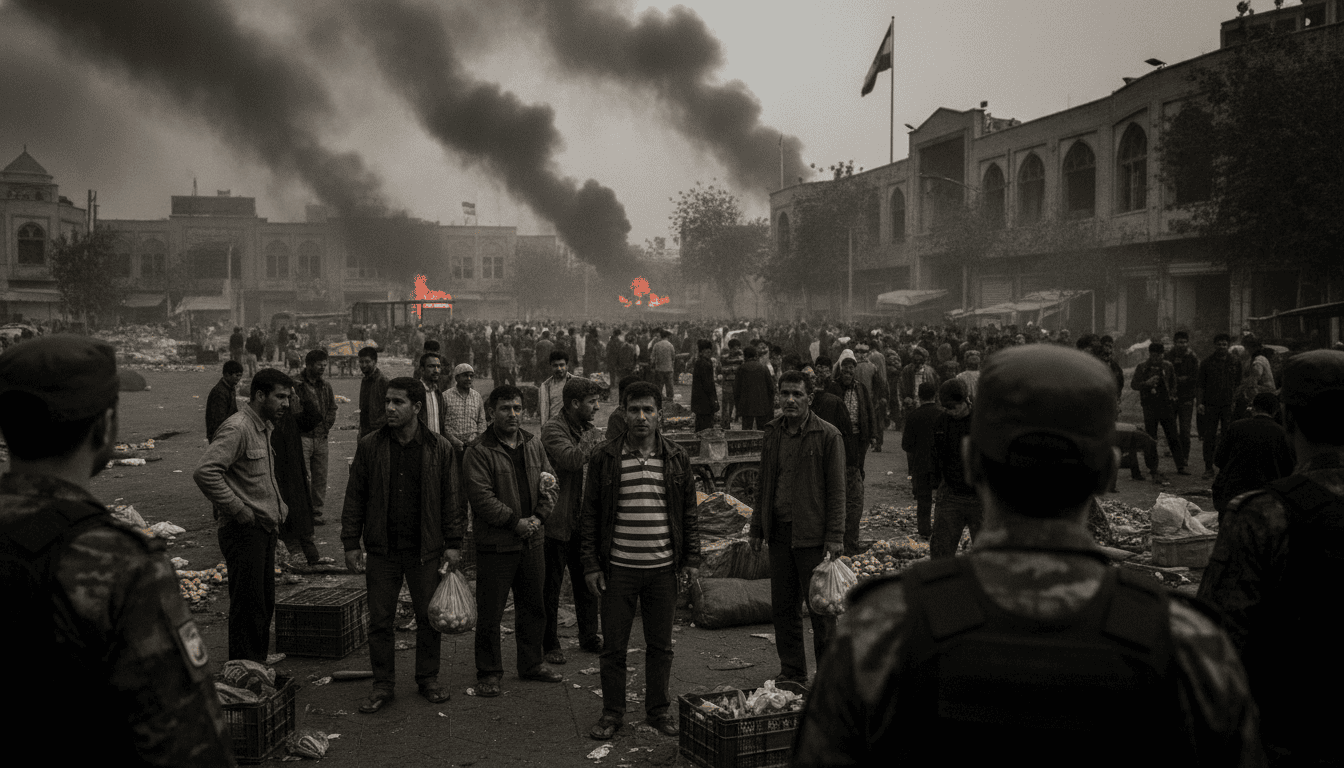
The fragile Iran economy recovery is under renewed strain after three tankers were hit in the Strait of Hormuz and heavy air and missile exchanges between the United States and Iranian forces erupted this week. The limited truce agreed three weeks ago has been punctured by a series of maritime and aerial strikes, complicating plans for mediated negotiations to resume after state mourning events. Economic indicators released by Iranian authorities already show steep inflation, falling output and rising unemployment, conditions that analysts warn will slow any rebound even if sanctions are eventually eased.
Escalation on land, sea and air
The recent attacks have included strikes on multiple commercial vessels in a strategically vital waterway and large U.S. air operations in Iran’s southern provinces, followed by missile and drone responses from the Islamic Revolutionary Guard Corps and the regular army. Both Washington and Tehran have accused the other of breaching last month’s memorandum of understanding that aimed to extend a ceasefire. These military exchanges have increased risks to shipping, energy flows and regional stability at a time when diplomatic windows remain narrow.
Strait of Hormuz incidents amplify trade risks
Maritime strikes in the Strait of Hormuz over the past two days have prompted immediate concerns from insurers, shipping firms and regional ports about transits and insurance premiums. The corridor handles a significant share of global oil exports, and renewed attacks raise the likelihood of temporary rerouting and elevated logistics costs. Industry sources and analysts say even short-term disruptions to tanker traffic tend to ripple through fuel markets and import-dependent sectors, aggravating domestic price pressures already reflected in the latest inflation data.
Inflation and labour pain deepen economic distress
Official data released for Khordad — the Iranian month that ended on June 21 — show headline inflation accelerating sharply, with the Statistical Center of Iran reporting an 88.6 percent year-on-year rise for that month. Food prices soared even higher, with some categories rising by more than 200 percent, and basic wages have failed to keep pace with the cost of living. Unemployment measures sit at roughly 7.5 percent while labour force participation remains near 40 percent, leaving many working-age people outside the formal economy. The combination of rapid price increases and stagnant real incomes is pushing millions toward poverty and eroding purchasing power across urban and rural households.
Output decline and limited fiscal room
A Central Bank report for the year ending March 20 shows real GDP contracted by 0.7 percent and gross fixed capital formation fell by nearly 12 percent, signaling a sharp pullback in investment. Imports and exports both declined, reflecting disrupted trade channels and weaker domestic demand. Budget constraints have left the state able to offer only modest cash transfers and electronic coupons to ease immediate hardship, while repeated infrastructure damage and constrained fiscal buffers limit larger stimulus or reconstruction programs. Economists warn that without significant new financing and restored economic links, recovery will remain slow and uneven.
Infrastructure damage complicates reboot
Satellite imagery and on-the-ground reporting indicate substantial damage to industrial, energy and transport assets during the period of heightened hostilities, including a range of military-linked and civilian sites. Analysts say losses to oil and gas facilities, petrochemical plants, steel works, ports, airports and power distribution points have reduced productive capacity and will require major repair. Some airports and industrial units have begun phased restarts as hostilities eased, but experts caution that replacing lost machinery, inventories and working capital will take time and large investments, and in some cases foreign financing.
Political divisions shape prospects for recovery
Domestic politics are intensifying the challenge: officials involved in mediated talks with the United States argue that de-escalation and diplomacy offer the clearest path to economic relief, while hardline elements publicly reject major concessions. President Masoud Pezeshkian has voiced concern about public dissatisfaction and the risk of further protests, a reminder that social unrest could deepen economic instability. Recent funeral events for senior leaders underscored these tensions, with public scenes of anger toward negotiators highlighting the political cost of compromise.
Looking ahead, economists such as Mahdi Ghodsi of the Vienna Institute for International Economic Studies say parts of the labour market and service sectors could rebound quickly if military escalation halts and transport, energy and internet services are restored. Yet deeper damage to capital stock and persistent fiscal and monetary pressures mean that a full Iran economy recovery will likely be protracted and capital intensive. The path to stabilization depends not only on whether sanctions are lifted, but also on the scale of reconstruction, the availability of external financing and the durability of any diplomatic settlement.
