
Bremen Court Rules Milka Shrinkflation Could Violate Competition Law
Bremen court finds Mondelēz’s reduced 90g Milka bars with near-identical packaging may mislead consumers, backing Verbraucherzentrale Hamburg’s complaint.
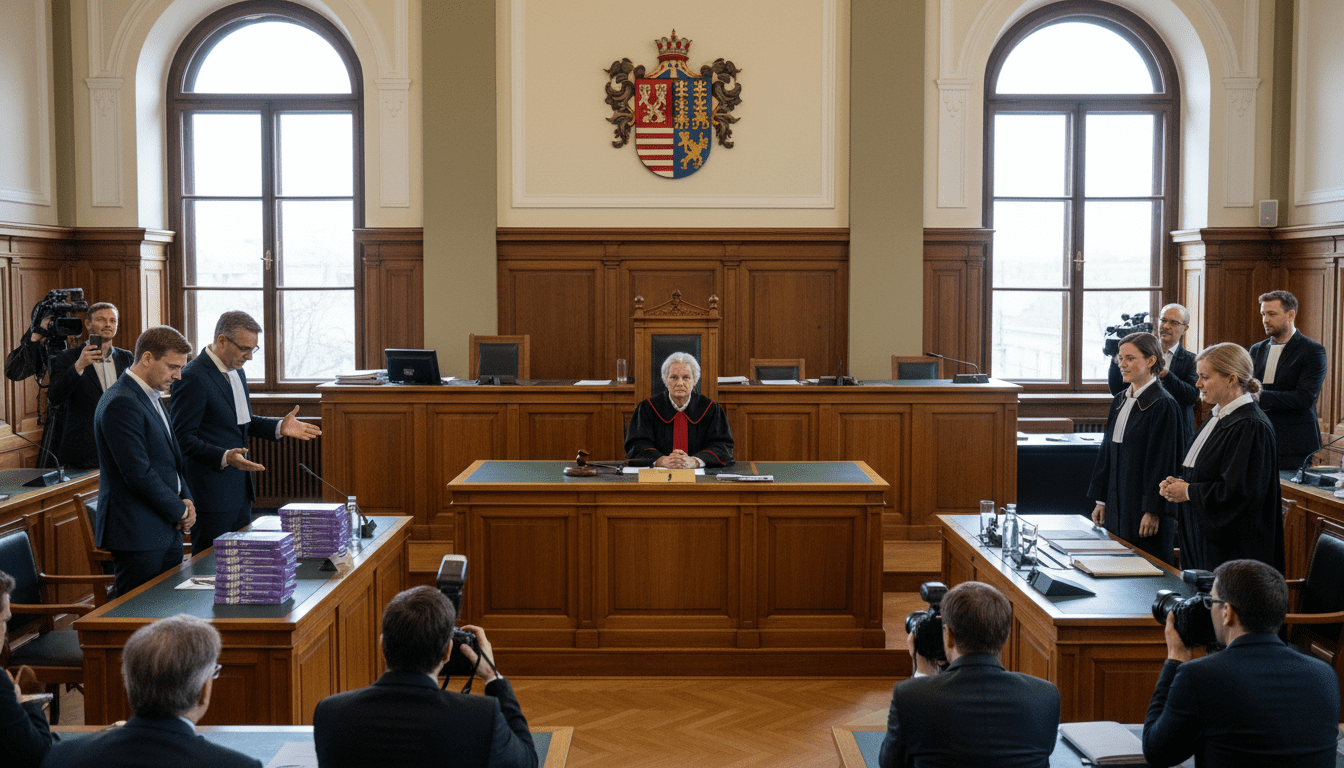
The Bremen regional court has ruled that the recent reduction in Milka chocolate bar sizes — a hallmark example of so-called Milka shrinkflation — may breach German competition law by misleading consumers when packaging remains largely unchanged. The decision followed a lawsuit brought by Verbraucherzentrale Hamburg alleging that Mondelēz reduced several Milka varieties from 100 grams to 90 grams while keeping the outer packaging almost identical. The court concluded that such a product change can constitute deceptive packaging if consumers cannot readily perceive the smaller quantity.
Court’s Finding and Legal Basis
The court held that Mondelēz may not place the 90g bars on the market in circumstances where the 100g version had been available in the preceding four months, because the minimal visual change could conceal a reduction in content. The judge described the practice as a “relative Mogelpackung,” a term used in Germany for packages that give the impression of unchanged quantity despite reductions. The ruling frames the issue as one of unfair competition, centring on whether the packaging design prevents consumers from recognizing the lesser weight.
Immediate Practical Consequences
Despite the ruling, the court acknowledged its limited immediate practical effect in this case because more than four months had elapsed since Mondelēz implemented the smaller format. A court spokesperson told the press that there is therefore no obligation to recall or relabel bars already on store shelves. Still, the judgment establishes a legal test that could block similar rollouts if the previous larger-size product was sold within that statutory window, meaning manufacturers may need to alter timing or packaging in future reductions.
Reaction from Verbraucherzentrale Hamburg
Consumer advocates welcomed the decision as a victory for shoppers and a pushback against hidden price increases. Armin Valet of Verbraucherzentrale Hamburg said the ruling strengthens consumer protection against reductions in product quantity that are difficult to detect. The consumer group urged lawmakers to adopt clearer rules to prevent “Mogelpackungen” and to close regulatory gaps that allow subtle shrinkflation tactics to persist without transparent notification.
Mondelēz Response and Legal Options
Mondelēz told the court it would review the written reasoning of the judgment and indicated it would continue to pursue clear communication about its products. The company emphasized that the weight is printed on the front and back of its packaging and defended the decision to adjust weights for some Milka bars, framed as part of product and production considerations. The ruling is not final; Mondelēz retains the right to appeal, and any further legal proceedings could clarify how broadly the Bremen court’s interpretation will apply nationwide.
Broader Implications for Shrinkflation in Food Markets
Legal experts say the judgment could have wider ramifications beyond this single brand by sharpening scrutiny of how brands implement product downsizing. Retailers and manufacturers using minimal design changes to keep shelf presence while reducing quantity may face increased risk of legal challenges from consumer groups or competitors. The case highlights the tension between commercial pricing strategies and transparency obligations, potentially prompting firms to make more evident packaging alterations or to disclose size changes proactively.
Market and Regulatory Outlook
Consumer groups argue the ruling should prompt legislative action to create binding standards that block deceptive packaging practices and make shrinkflation easier for regulators to police. Lawmakers in Germany and across Europe have faced growing calls to address subtle product reductions as inflation pushes companies to manage costs without overtly raising prices. Meanwhile, companies may reassess communication strategies to avoid litigation and reputational damage, for example by redesigning packaging, adding visible notices, or timing changes to avoid triggering the legal window described by the court.
The Bremen decision is likely to serve as a reference point in future disputes over product weight changes and packaging design, even as the legal process continues. Companies, consumer advocates and legislators will now watch closely to see whether higher courts uphold the ruling or set a different standard for when a packaging change crosses the line into deceptive practice.
