
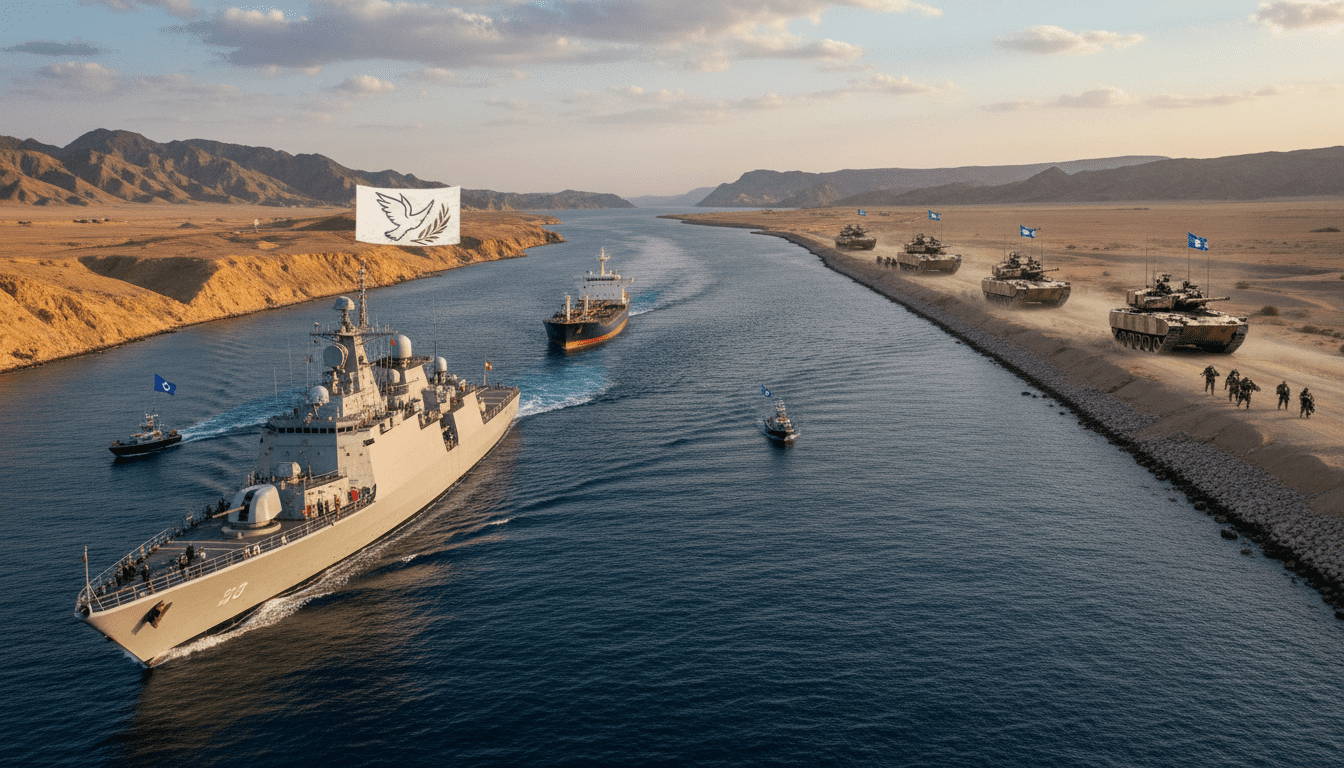
Iran Signals Compromise, Considers Partial Opening of Strategic Strait as Israel Intensifies South Lebanon Offensive
Iran has signaled to U.S. negotiators that it may be willing to agree to a partial opening of a strategic strait, while Israel continues to press an offensive against Hezbollah in southern Lebanon despite mounting international concern. The potential partial opening of the strategic strait emerged as a central point in diplomatic talks and could have immediate implications for shipping and regional stability.
Iran and U.S. Hold Negotiations on Strait Access
Diplomats familiar with the exchanges said Iran and U.S. interlocutors have moved into a more conciliatory phase of discussions, with Tehran exploring limited measures to ease restrictions on transit through a key maritime choke point. Officials described the proposal as a calibrated, partial reopening rather than a full restoration of normal passage, aimed at buying time for further dialogue.
U.S. representatives have yet to publicly endorse any specific arrangement, and both sides appear to be negotiating the scope, timing and verification mechanisms that would govern any opening. The talks reflect broader strategic calculations in Washington and Tehran as each weighs political and economic risks at home and abroad.
Israeli Military Advances Continue in Southern Lebanon
Israeli forces have continued offensive operations against Hezbollah positions in southern Lebanon, according to military briefings and observer accounts. The campaign, described by Israeli officials as targeting militant infrastructure and command nodes, has proceeded even as international calls for restraint and de-escalation increase.
The advance has been characterized by targeted strikes and ground maneuvers designed to degrade Hezbollah’s ability to launch cross-border attacks. Israeli leaders say the operation is aimed at long-term security objectives, while critics warn it risks broader spillover and civilian harm.
Humanitarian Consequences in Border Areas
Humanitarian agencies report mounting needs among civilians in south Lebanon, where displacements and damage to infrastructure have increased under the pressure of fighting. Local hospitals and aid networks are strained, and emergency responders are calling for safer access to deliver food, medical supplies and shelter.
International relief organizations have urged all parties to uphold protections for civilians and to permit unimpeded humanitarian corridors. The growing humanitarian strain is shaping diplomatic engagements and could influence decisions by regional and global actors.
Regional Security and Shipping Risks
The prospect of a partial opening of the strategic strait has drawn attention from shipping companies and energy market watchers, who monitor the area for disruptions that can affect global trade and oil flows. Even a limited easing of restrictions could reduce immediate shipping insurance costs and reroute commercial vessels, though uncertainty remains high.
Security analysts caution that any arrangement would need robust guarantees to prevent sudden reclosure, sabotage or miscalculation. Military posturing by regional actors and proxy groups continues to complicate safety for maritime traffic and could keep premiums and contingency plans elevated.
International Diplomatic Pressure and Mediations
Western capitals and regional partners have increased diplomatic activity in recent days, seeking to prevent further escalation and to exploit openings for de-escalation. Negotiators have been balancing short-term stabilizing steps with longer-term demands, including verification measures and reciprocal confidence-building.
Multilateral actors have called for restraint on both the maritime and land fronts, while some states are pursuing parallel channels to secure the release of commercial traffic and mitigate humanitarian fallout. Observers say the coming days will be critical for whether tentative diplomatic progress translates into concrete measures.
Possible Scenarios and Strategic Calculations
Analysts outline several potential scenarios ranging from a limited, verifiable partial opening that reduces immediate tensions to a fragile arrangement that collapses amid renewed military or political pressures. Each outcome carries distinct risks for regional stability and international commerce.
For Tehran, a calibrated concession could be intended to extract sanctions relief or other concessions in parallel negotiations. For Israel, persistent military pressure is a signal of determination to limit Hezbollah’s operational capacity, but it raises the prospect of prolonged confrontation if political pathways do not advance.
The coming period will test the durability of any diplomatic deals and the restraint of military actors on both land and at sea. International actors are likely to intensify shuttle diplomacy to secure concrete steps that reduce risks to civilians and commerce while keeping open the door to broader negotiations.
