
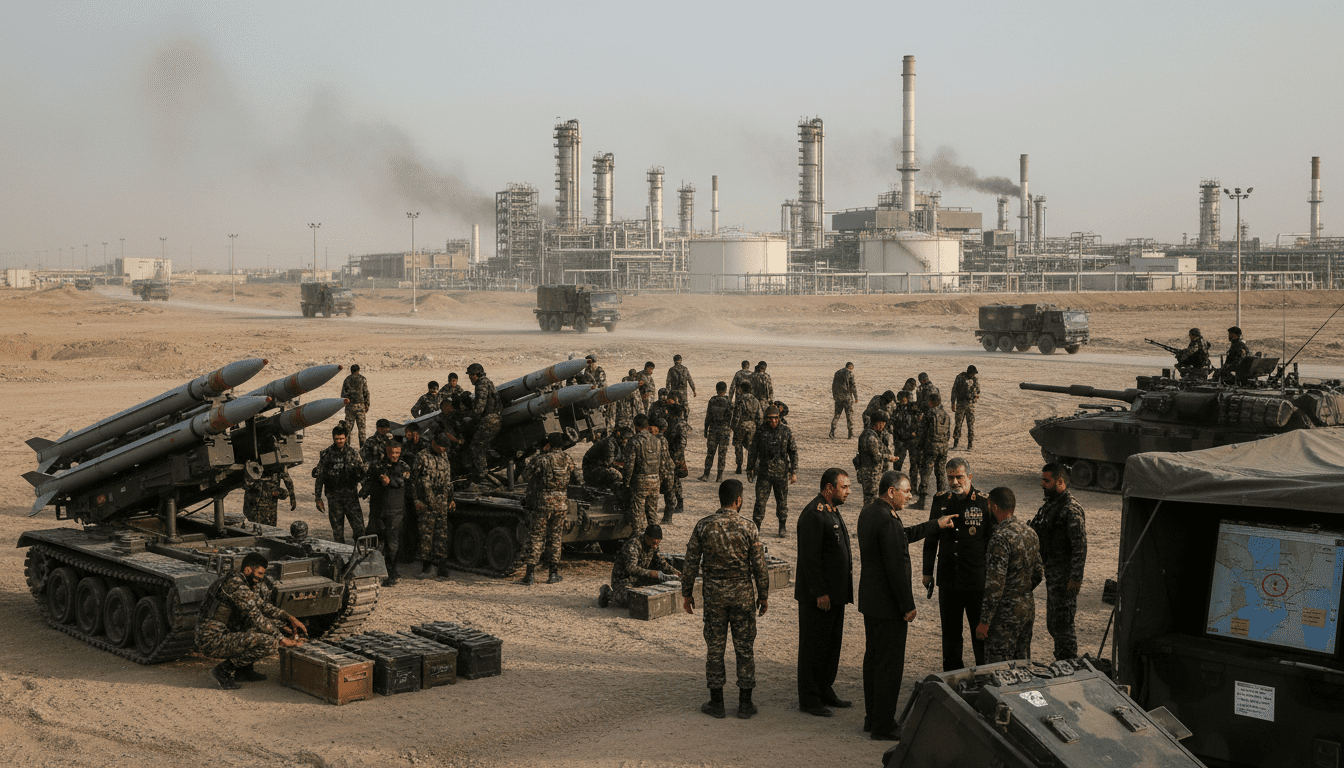
Iran prepared for war as Tehran stages missile parades and IRGC issues regional threats
Iran prepared for war as Tehran staged missile parades and the IRGC issued escalating threats while a U.S. ceasefire extension left talks stalled and demands unresolved.
Missile displays and mass rallies in Tehran
In central Tehran, state-organized street demonstrations featured long-range missiles paraded through crowded squares as demonstrators cheered the show of force. A Khorramshahr-class projectile and a truck-mounted launcher for a Ghadr missile were prominently displayed amid calls for retaliation against Israel and the United States. Organizers also circulated footage of wounded veterans and public figures to underscore the government’s framing of popular support for a hardline posture.
Armed groups and symbolic messaging
Motorcades and night rallies carried flags linked to allied militias across the region and played religious and nationalist songs to project unity within Iran’s “axis of resistance.” State outlets released images and video showing men and women armed or posing with weapons and pink-coloured drones and missiles, a visual effort officials say aims to demonstrate broad-based backing for continued confrontation. Many of the faces featured in official messaging appeared in dress that diverges from Iran’s strict hijab codes, a deliberate choice to signal diverse domestic support.
IRGC warnings and maritime incidents
Commanders of the Islamic Revolutionary Guard Corps have warned that they are ready to respond to any aggression with stronger attacks than before and reported the seizure of two vessels near the Strait of Hormuz for failing to obtain permits. IRGC officials said the armed forces have “fingers on the trigger,” a posture they described as deterrence against further strikes by the United States or Israel. Senior commanders also cautioned neighbouring states that facilities used against Iran would face grave consequences, including threats directed at regional oil production.
Cyber and infrastructure threats highlighted
State media and IRGC-linked outlets suggested the conflict could expand beyond conventional strikes, floating the possibility of targeting seabed high-speed internet cables and other shared infrastructure. Tasnim and other agencies circulated material warning of a potential “digital catastrophe” that could disrupt communications across neighbouring countries. Those statements accompanied public comments by military spokesmen framing such actions as a proportional response to what they describe as economic and naval pressure by Western forces.
Stalled diplomacy and ceasefire extension
A scheduled round of negotiations in Pakistan failed to materialize as delegations did not arrive, and the United States extended a two-week ceasefire for an unspecified period, a decision Iran’s hardliners criticized as unilateral. Tehran’s UN ambassador said another meeting could proceed only if Washington lifts the blockade it has imposed, while judiciary and parliamentary leaders rejected concessions that they say would signal weakness. U.S. officials argued that internal fractures in Tehran and financial strains informed the extension, deepening the diplomatic deadlock.
Domestic divisions and calls for restraint
While hardline parliamentarians and commanders press for a vigorous military response, some political and religious figures have urged a different path, warning of the humanitarian and economic toll of prolonged conflict. Iran’s parliament speaker acknowledged military limitations compared with the United States but stressed that negotiations remain a tool to defend national rights, not an admission of defeat. Influential regional clerics and moderates called for a fair settlement to avoid further destruction of infrastructure and loss of civilian life.
The current posture leaves Iran prepared for war even as diplomatic channels remain open but strained, with government displays, IRGC threats and asymmetric warnings raising the risk of broader regional damage. International observers warn that continued escalation — whether through maritime seizures, strikes on energy facilities, or attacks on digital infrastructure — would multiply humanitarian and economic consequences for civilians across the Middle East.
