
Israel-Lebanon ceasefire extended for three weeks after White House talks
White House talks yield a three-week Israel-Lebanon ceasefire extension amid border strikes, rising Iran tensions and oil price spikes after Hormuz incidents.
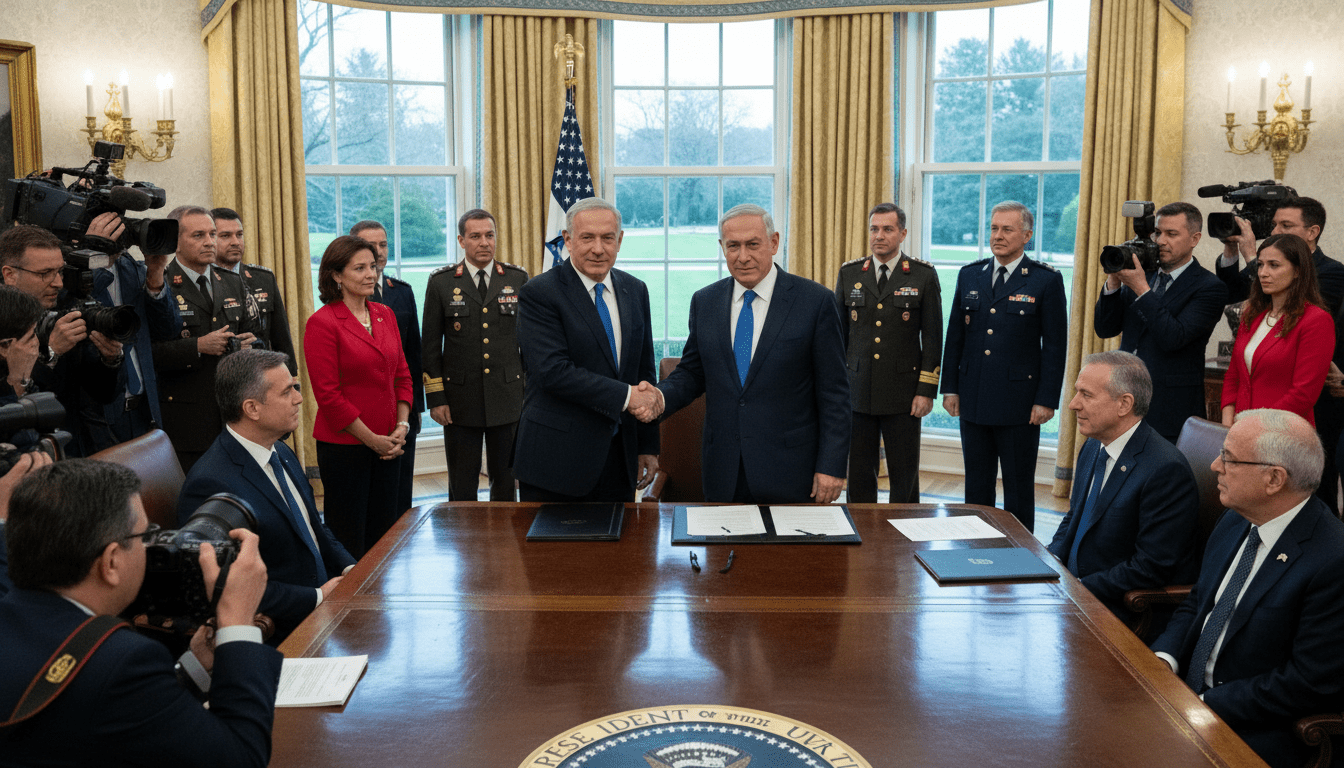
The Israel-Lebanon ceasefire was extended by three weeks on April 24, 2026, after talks at the White House between U.S. officials and envoys from Israel and Lebanon. President Donald Trump announced the extension and said he could strike a deal with Iran quickly but preferred to wait for a lasting arrangement. The announcement comes as skirmishes and strikes persist along the Lebanon-Israel border and wider regional tensions fuel diplomatic and military posturing.
White House brokers three-week extension
Officials said the extension followed direct engagement at the White House with representatives of both Beirut and Jerusalem, who briefed U.S. leaders on the latest conditions along the border. The administration framed the move as a pause to prevent escalation while diplomatic channels remain open. President Trump described the pause as an opportunity to negotiate a broader settlement, signalling a preference for a longer-term outcome over immediate military action.
Ceasefire violations and fatalities in southern Lebanon
Despite the declared extension, an Israeli strike in southern Lebanon killed three people, according to the Lebanese health ministry. The incident underscores the fragile nature of the truce and the difficulty of enforcing a ceasefire among multiple actors operating along the frontier. Lebanese authorities and humanitarian groups warned that civilian harm risks undermining public support for negotiations in Lebanon.
Hezbollah and Israeli exchanges along the border
Hezbollah reported firing rockets into northern Israel in response to what it called violations of the ceasefire and strikes on towns in southern Lebanon. Israeli officials, including the defence ministry, signalled readiness to resume military operations if provoked and said they were awaiting coordinated action with Washington. An Israeli security source denied that airstrikes were being conducted inside Iran, even as Tehran reported its air defences were activated over the capital.
Iran, maritime tensions and military warnings
The White House discussions took place against a backdrop of heightened tensions with Iran, including U.S. warnings about activity in the Strait of Hormuz. President Trump vowed to destroy any vessel laying mines in the strait, a move aimed at keeping a key shipping lane open amid accusations of a U.S. naval blockade of Iranian ports. Tehran’s leadership publicly rejected suggestions of internal discord, while analysts warned that economic and military pressure campaigns could be protracted and risk broader confrontation.
U.S. political debate and military deployments
Domestic political reactions in the United States reflected concern over both security and humanitarian consequences of the standoff with Iran. More than a dozen Democrats urged the administration to halt deportations of Iranians residing in the U.S., citing the danger they could face if forced to return. At the same time, the U.S. military increased its presence in the region, with the arrival of the USS George H.W. Bush raising the number of deployed carriers to three and reinforcing the administration’s readiness posture.
Oil prices climb after Strait of Hormuz incidents
Global markets reacted quickly to the renewed tensions, with Brent crude rising above $106 a barrel after reported vessel captures and exchanges in the Strait of Hormuz. Traders cited the risk of further disruption to shipping as a key driver of the jump, which marked a significant intraday move following two weeks of relative stability. Economists warned that sustained instability could push energy markets higher and add pressure to economies already sensitive to oil price swings.
The extension of the Israel-Lebanon ceasefire provides a temporary reduction in open hostilities but leaves major drivers of instability unresolved. Diplomatic efforts in Washington and beyond will need to address not only the immediate border incidents but also broader regional issues tied to Iran’s maritime activity, armed proxies and the political dynamics within Lebanon. Monitoring by international observers and continued engagement from external powers will be critical in determining whether the pause can be sustained beyond the newly announced three-week period.
