
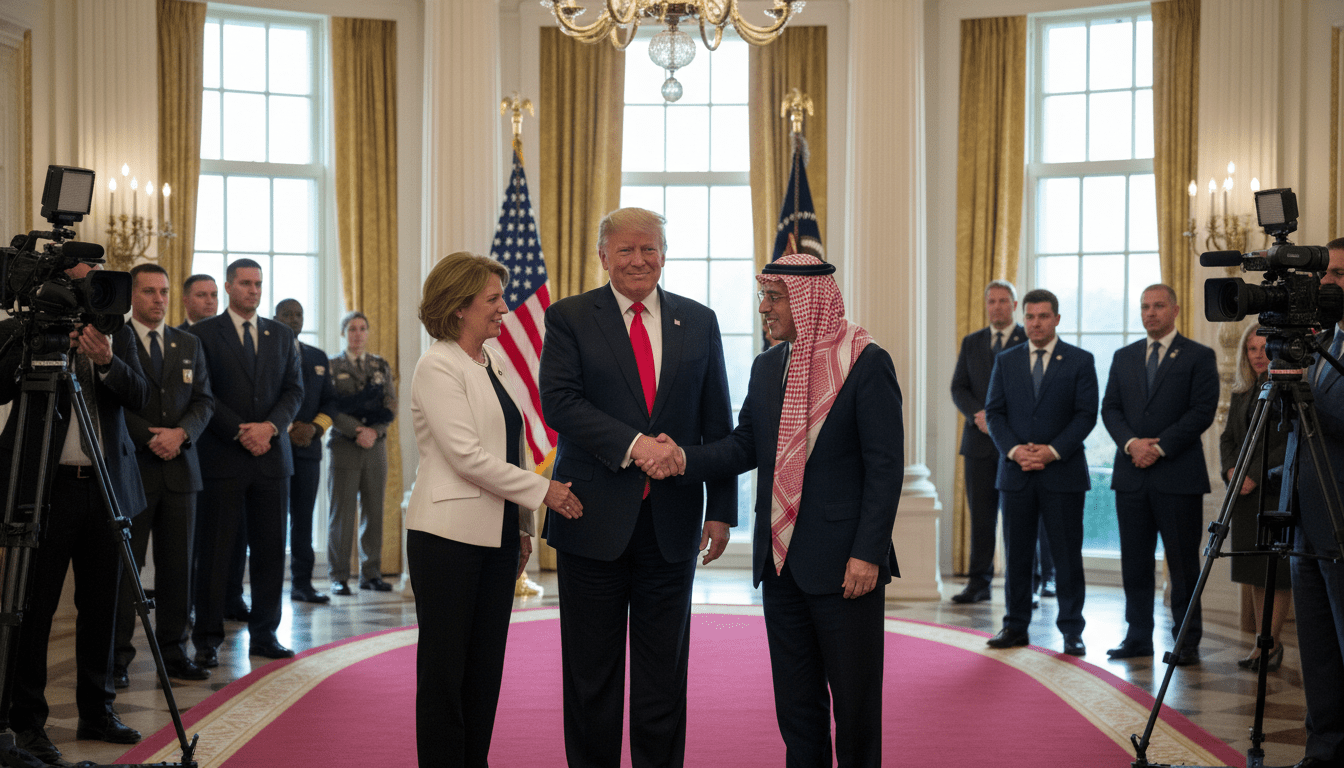
Trump to Welcome Delegations for White House-Hosted Israel-Lebanon Talks
President Trump will greet Israeli and Lebanese delegations as ambassador-level White House-hosted Israel-Lebanon talks resume in Washington to ease tensions.
The White House confirmed that President Donald Trump will receive Israeli and Lebanese representatives ahead of a second round of ambassador-level negotiations in Washington, a senior official told Haaretz. The talks, now scheduled to take place at the White House, are described by U.S. officials as a diplomatic effort to reduce bilateral tensions and create a framework for continued dialogue. Details on the agenda and the exact composition of each delegation remain limited, but the move to host the discussions in the executive mansion elevates their diplomatic profile.
White House to Host Second Round of Ambassador-Level Talks
A White House official said the ambassador-level talks between Israel and Lebanon will be held on White House premises, signaling U.S. interest in directly facilitating the process. Bringing both delegations to Washington, rather than another neutral venue, underscores the administration’s intention to shepherd negotiations and keep momentum between the two sides. Officials declined to disclose the precise schedule or whether President Trump will participate in the formal meetings beyond receiving the delegations.
Diplomatic Context and Goals of the Negotiations
U.S. diplomats describe the immediate aim of the talks as easing tensions and establishing mechanisms for further engagement between Israel and Lebanon. The talks follow earlier contacts at the ambassador level and are framed as confidence-building measures to prevent escalation and manage disputes diplomatically. While participants have characterized the discussions as limited in scope, the White House portrayal emphasizes de-escalation and practical problem-solving.
Participants and Format Remain Limited in Public Detail
Public reporting identifies the delegations as representing Israel and Lebanon at the ambassador level, but names of specific envoys and aides were not released by the White House. Ambassador-level talks typically feature senior diplomatic officials empowered to negotiate technical details and report back to capital-based decision-makers. Observers expect an official U.S. delegation to attend or support the proceedings, though Washington has not outlined the degree of its direct involvement beyond hosting.
Potential Stakes and Areas for Agreement
Officials and diplomatic analysts note that ambassador-level negotiations are often used to address discrete, technical issues while leaving politically sensitive decisions to national leaders. The immediate stakes would likely include reducing immediate sources of friction, clarifying channels of communication, and agreeing on follow-up steps for sustained engagement. Any practical outcomes from these talks would be measured by whether the parties establish clear timelines or working groups for continued negotiations.
Challenges and Limits to Negotiating Progress
Despite the heightened profile of White House hosting, significant obstacles remain to a long-term resolution of disputes between Israel and Lebanon. Political constraints in each capital, domestic opposition to concessions, and the presence of third-party actors complicate negotiations. Diplomats caution that ambassador-level progress does not guarantee political breakthroughs, and that any substantive agreement would require ratification or wider political approval in both countries.
International and Regional Implications
The United States’ role as host places Washington at the center of what the White House presents as a de-escalatory effort, and the success or failure of the talks may shape regional diplomatic dynamics. Neighbouring states and international partners have expressed interest in preventing cross-border incidents and fostering stability, and they may view White House involvement as a stabilizing factor. How other actors respond to any provisional understandings struck in Washington could influence follow-up diplomacy and the broader security environment.
In the coming days, attention will focus on whether the delegations produce concrete statements of intent, agree on a road map for future meetings, or simply reaffirm commitments to continued dialogue. The White House reception for both sides elevates expectations for measurable progress, but diplomats stress that incremental steps and verification mechanisms are likely to define any meaningful advancement.
